Entertainment news and discussion on TalkFuse.
The rival 1960s band that pushed Jethro Tull to be “more original”
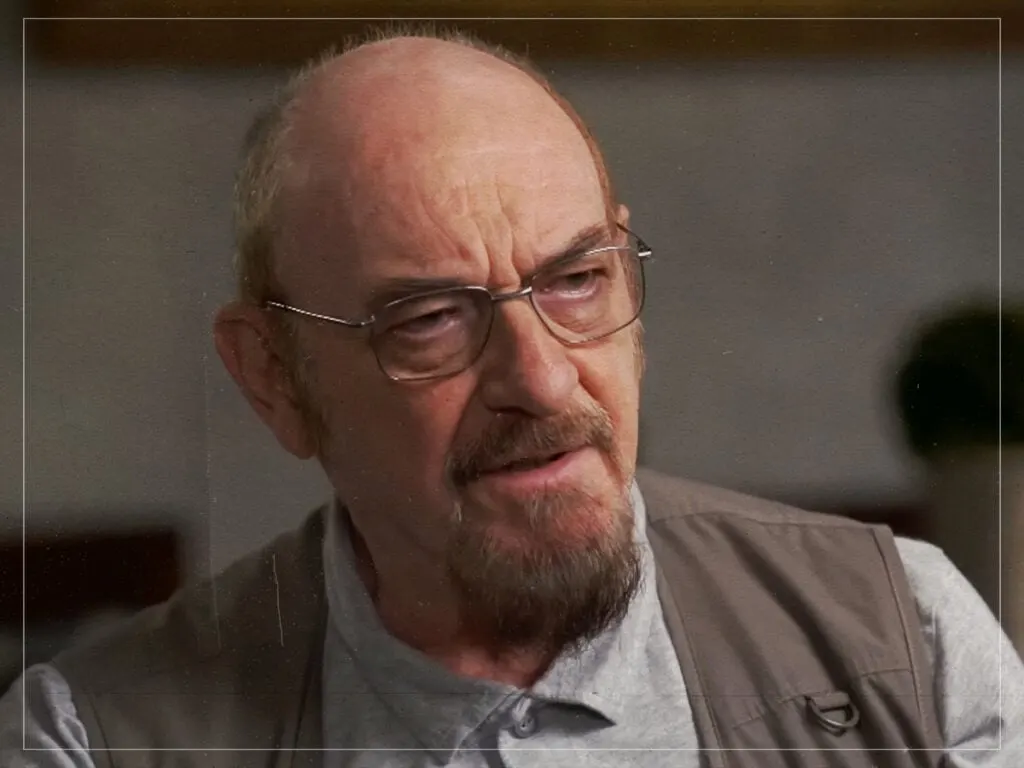
Ian Anderson, frontman of Jethro Tull, has credited an obscure 1960s outfit, The Nice, with pushing his band to abandon its blues roots and develop a more original sound. Speaking to Far Out about the acts he considers most influential to progressive rock, Anderson named the more famous Pink Floyd and The Beatles as key signposts for the genre, but singled out The Nice, whose keyboardist Keith Emerson later formed Emerson, Lake & Palmer, as a formative personal influence witnessed live.
Anderson recalled seeing The Nice perform at London's Marquee Club at a time when most rock acts were still reworking the blues, and being struck by how far the band pushed beyond that template. He praised Emerson's inventive, classically trained organ playing alongside Lee Jackson's vocals, Blinky Davison's drumming and Davy O'List's unconventional guitar style, saying the performance encouraged Jethro Tull to move away from their blues-based early sound towards a more eclectic and original musical identity.
In short
- Ian Anderson says The Nice inspired Jethro Tull's shift from blues to prog
- He also named Pink Floyd and The Beatles as key genre influences
- Seeing The Nice live at the Marquee Club proved pivotal for Anderson
Explained simply
Jethro Tull are a British rock band formed in the late 1960s, led by singer and flautist Ian Anderson. Their early music drew on blues, a style that shaped much of British rock at the time.
The Nice were another British band of the same era, known for combining rock with classical music. Their keyboard player, Keith Emerson, later became a member of Emerson, Lake & Palmer, one of progressive rock’s best-known groups.
Progressive rock grew from bands experimenting with longer songs, varied influences and less conventional arrangements. The Nice’s example helps explain how Jethro Tull moved beyond a blues-based sound as they developed their own musical identity.