Politics news and discussion on TalkFuse.
Trump administration sued for banning gender transition treatments in federal health plans
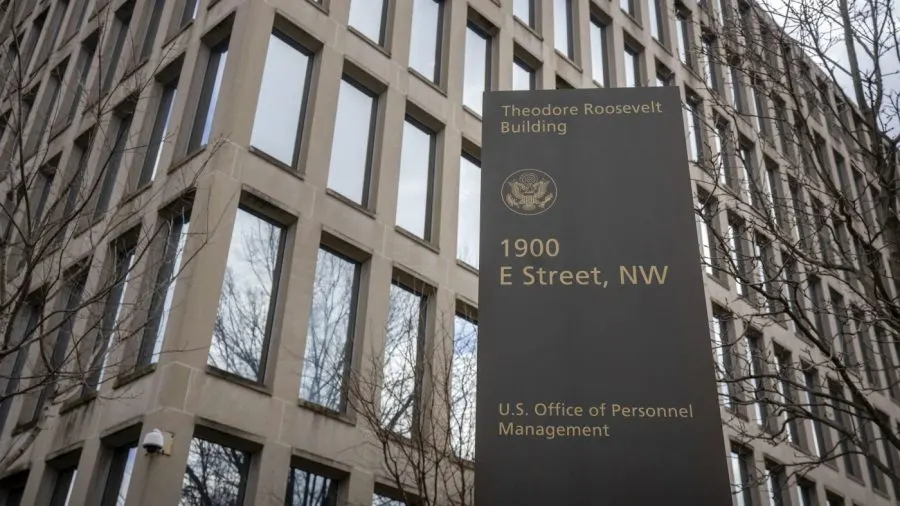
The Human Rights Campaign Foundation (HRCF), together with the law firm Correia & Puth, has filed a class-action lawsuit against the US Office of Personnel Management (OPM), challenging a policy that strips gender-affirming healthcare coverage from federal employees' insurance plans. The suit argues that an OPM directive instructing insurers to deny coverage for gender transition treatments amounts to sex discrimination under Title VII of the Civil Rights Act, and is being brought on behalf of federal workers and their families who have lost this cover. HRCF president Kelley Robinson said the policy was "not about cost or care" but aimed at pushing transgender people out of the federal workforce.
The policy affects the Federal Employee Health Benefits (FEHB) and Postal Service Health Benefits (PSHB) programmes, which together cover millions of federal workers, retirees and their dependants. Loss of coverage took effect from 1 January 2026, and HRCF had earlier filed a related complaint with the Equal Employment Opportunity Commission before escalating to this formal class action, filed this week. The lawsuit does not specify exact numbers affected but describes "untold numbers" of federal employees and family members losing access to care as a result of the change.
In short
- HRC Foundation sues OPM over ban on gender-affirming care in federal health plans
- Suit says policy breaches Title VII's sex discrimination protections
- Affects Federal Employee and Postal Service Health Benefits programmes since January 2026
Steelman: both sides, in good faith
The strongest fair case each way — we don't pick a winner.
The case for
The strongest case is that removing coverage for gender-affirming healthcare specifically, whilst maintaining coverage for other medical treatments, constitutes sex discrimination under Title VII. Gender identity is inextricably linked to sex, and singling out treatments for transgender individuals for exclusion amounts to different treatment based on sex. These are established medical treatments recommended by major medical associations, and denying federal employees access to necessary care based on their gender identity violates civil rights protections that apply to federal workplaces.
The case against
The government retains broad authority to determine what treatments are covered under its health insurance programmes based on budgetary priorities and policy judgements. Coverage decisions are necessarily selective, and some argue these treatments are more elective than necessary, or that reasonable medical disagreement exists about their appropriateness. The policy can be characterised as a categorical exclusion based on medical classification rather than discriminatory intent, and the government should retain discretion to structure benefits programmes according to fiscal and policy priorities.
Explained simply
The US Office of Personnel Management oversees health insurance programmes for federal workers, retirees and their families, including people employed by the US Postal Service. These plans are provided through insurers, and cover millions of people.
Gender-affirming care can include medical treatments related to a person’s gender transition. The lawsuit says a directive from OPM led insurers to remove coverage for these treatments from the federal and postal service plans from 1 January 2026.
The case was brought by the Human Rights Campaign Foundation and the law firm Correia & Puth on behalf of affected workers and family members. It argues that removing the cover breaches Title VII, a US law against employment discrimination, and could affect both access to care and the benefits available to federal employees.
Elections Health Medicine Politics