Entertainment news and discussion on TalkFuse.
Spider-Man: Brand New Day should be the blueprint for future MCU crossover movies
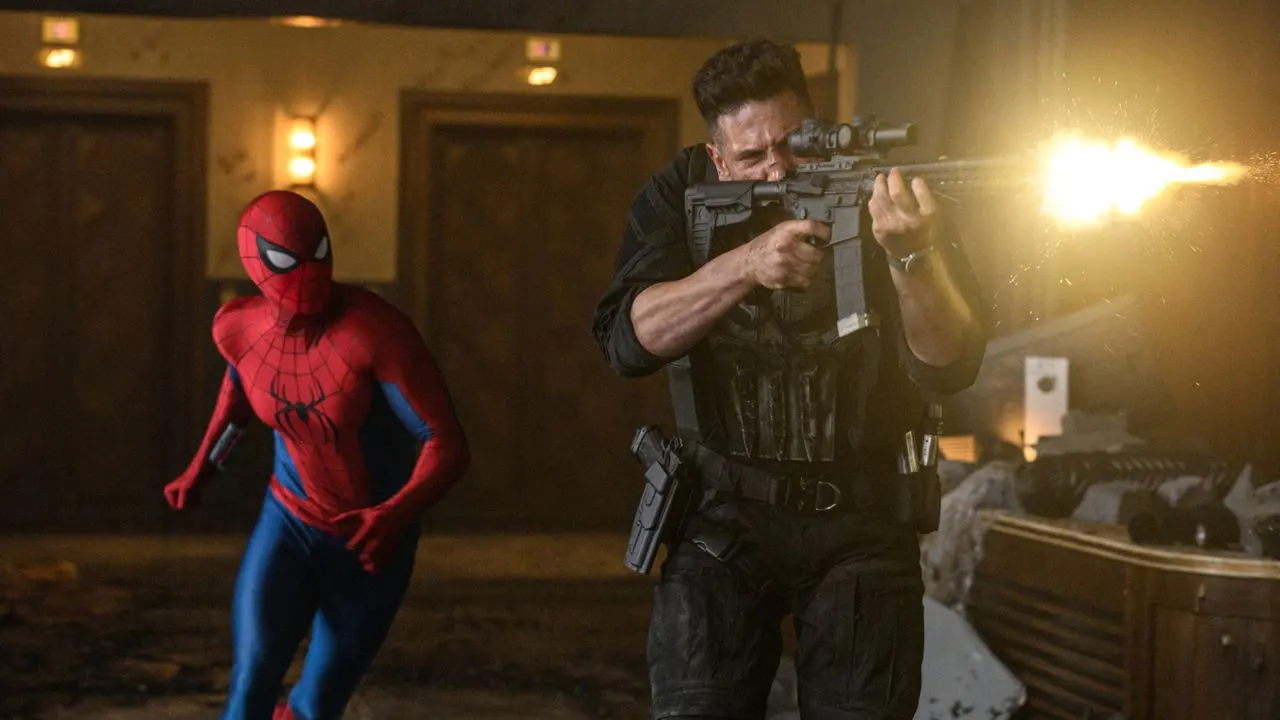
GamesRadar+ argues that Spider-Man: Brand New Day, the next instalment in Marvel's web-slinger series, offers a model for how the MCU should handle crossover films going forward. The piece contends that by keeping Peter Parker central to the story while bringing in other heroes, the film could avoid the overstuffed, unfocused feel that has hampered some previous multi-character Marvel outings.
The article frames Brand New Day as a test case for balancing ensemble appeal with a single protagonist's arc, suggesting Marvel Studios should prioritise narrative coherence over simply cramming in as many familiar faces as possible. It positions the upcoming film within the broader conversation about the MCU's post-Avengers: Endgame direction, where crossover-heavy productions have drawn mixed reactions from audiences and critics.
In short
- GamesRadar+ says Brand New Day could set the standard for MCU crossovers.
- Keeping Spider-Man central avoids an overcrowded, unfocused ensemble film.
- Piece ties into wider debate on the MCU's post-Endgame crossover strategy.
Steelman: both sides, in good faith
The strongest fair case each way — we don't pick a winner.
The case for
The case for using Brand New Day as a template rests on the principle that narrative clarity and emotional investment should guide MCU productions. When a film prioritises a single protagonist's arc whilst selectively incorporating other heroes to enhance rather than overshadow that journey, it creates a more cohesive story that audiences can genuinely connect with. Recent Marvel films with sprawling casts have often left viewers overwhelmed about whose story they were actually following, whereas a Spider-Man-centred film could prove that crossovers work best when they serve the main character's development rather than functioning as extended cameos.
The case against
The counter-argument emphasises that the MCU's defining commercial and cultural strength has always derived from its interconnected universe and willingness to bring multiple heroes together in unexpected ways. Audiences specifically bought tickets to ensemble projects because they valued the spectacle of heroes interacting and the world-building that comes from a broader canvas. Restricting crossovers to a single protagonist's perspective unnecessarily constrains storytelling possibilities and betrays what drew audiences to the MCU in the first place—the promise of a coherent, expansive shared universe where characters meaningfully interact across their own films.
Explained simply
Spider-Man is a Marvel superhero whose civilian identity is Peter Parker. In the Marvel Cinematic Universe (MCU), the connected series of films and television stories from Marvel Studios, his adventures sit alongside those of other heroes.
Crossover films bring together characters from different stories, often to face a shared threat. Since Avengers: Endgame, Marvel has continued to make films featuring multiple heroes, prompting discussion about how to balance a large cast with a clear central story.
Brand New Day is the next instalment in the Spider-Man film series. The discussion around it reflects a wider question for Marvel Studios: how to connect its many characters while giving each film a focused story.
Entertainment Film Spider-Man: Brand New Day