Video games news, releases, esports and culture — all the biggest gaming stories in one place.
The Steam Frame Might End Up More Expensive Than the Steam Machine
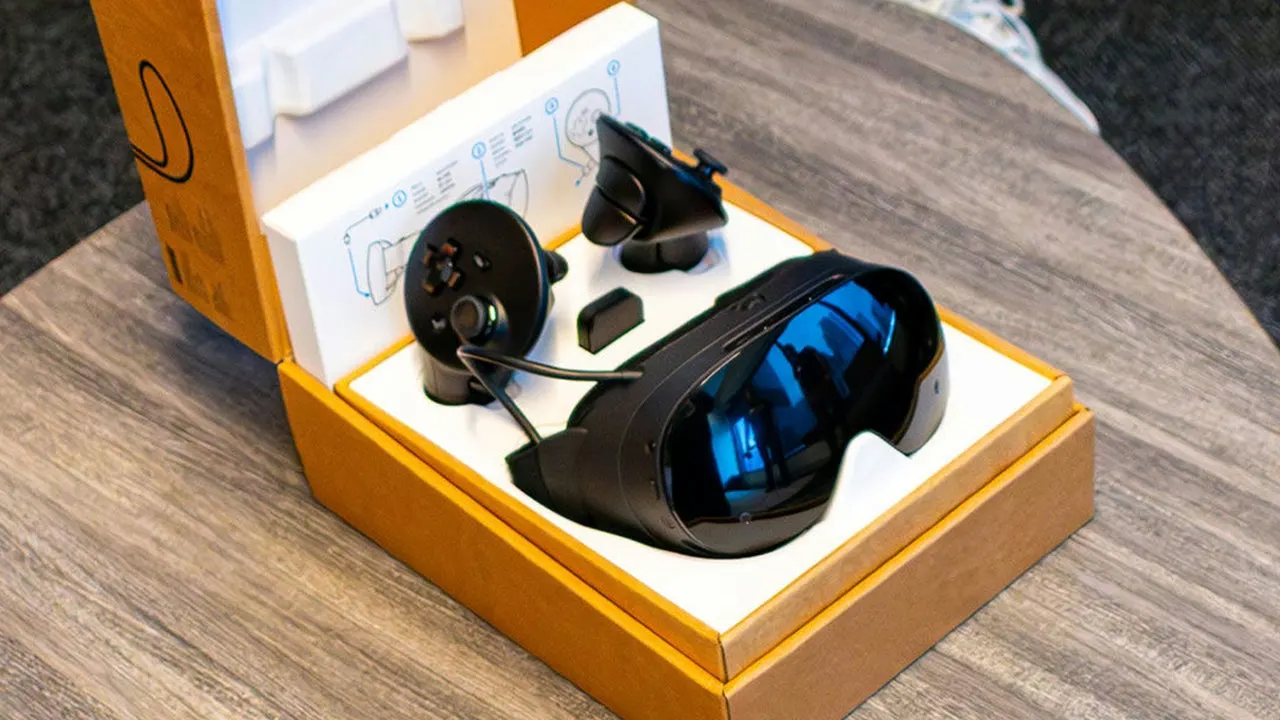
Leaked information suggests Valve's upcoming Steam Frame VR headset could launch at $1,100 or more, potentially making it pricier than the recently released Steam Machine, which itself drew criticism for its cost. The claim originates from a now-deleted stream by Valve leaker Tyler Mcvicker, and while its reliability is uncertain, industry-wide memory shortages could genuinely push the headset's price above initial expectations, adding to ongoing debate about the affordability of Valve's new hardware lineup.
The Steam Frame is expected to feature a Snapdragon 8 Gen 3 chip with 16GB of DDR5 memory and either 256GB or 1TB of storage, alongside two 2160×2160 LCD displays running at 144Hz and six tracking cameras, plus a sophisticated wireless rendering system. These design demands, combined with the current RAM shortage that also affected Steam Machine pricing, make a high price plausible, especially given that Valve's earlier Index headset launched at $999 in 2019. No official price or release date has been confirmed, though based on the timing pattern of Valve's Steam Machine launch, the Steam Frame's Steam page could appear as early as 10 August.
In short
- Leak suggests Steam Frame VR headset may cost $1,100 or more
- RAM shortage and headset's advanced hardware could drive up price
- Official pricing unconfirmed; Steam page may appear around 10 August
Steelman: both sides, in good faith
The strongest fair case each way — we don't pick a winner.
The case for
The advanced specifications justify a premium price point. The Steam Frame features cutting-edge components including dual high-resolution 2160×2160 LCD displays running at 144Hz, a Snapdragon 8 Gen 3 processor, 16GB DDR5 memory, and sophisticated wireless rendering technology, all of which demand significant engineering and manufacturing investment. Supply chain constraints, particularly the memory shortage affecting the industry, are genuine factors that increase production costs, and Valve cannot reasonably absorb these entirely whilst maintaining quality and innovation.
The case against
Whilst the specs are impressive, the high price point continues a problematic pattern that undermines Valve's ability to establish the Steam Frame as a mainstream consumer product. The Steam Machine itself faced widespread criticism for its premium pricing, and consumers have provided clear feedback that affordability matters alongside features. Rather than repeating this mistake with an even more expensive device, Valve should prioritise cost reduction and consumer accessibility to build a sustainable market base, pushing for manufacturing efficiency instead of passing costs to consumers.
Explained simply
Valve is a US company that makes gaming hardware as well as the Steam PC games shop. The Steam Machine is a computer designed for playing games bought through Steam, while the Steam Frame is a planned virtual-reality headset that would let users experience games in an immersive, 3D view.
The Frame is expected to combine two high-resolution screens, cameras that track movement and wireless technology for running games. Those parts can make a headset costly to produce, and shortages of computer memory have also affected the price of other new hardware.
Valve’s earlier Index headset launched in 2019 at $999, giving a point of comparison for the Frame. The cost matters because it may shape how many players can afford to use Valve’s new hardware.