Culture news and discussion on TalkFuse.
Trump DOJ unleashes largest denaturalization effort in department history — and says it’s ‘only the beginning’
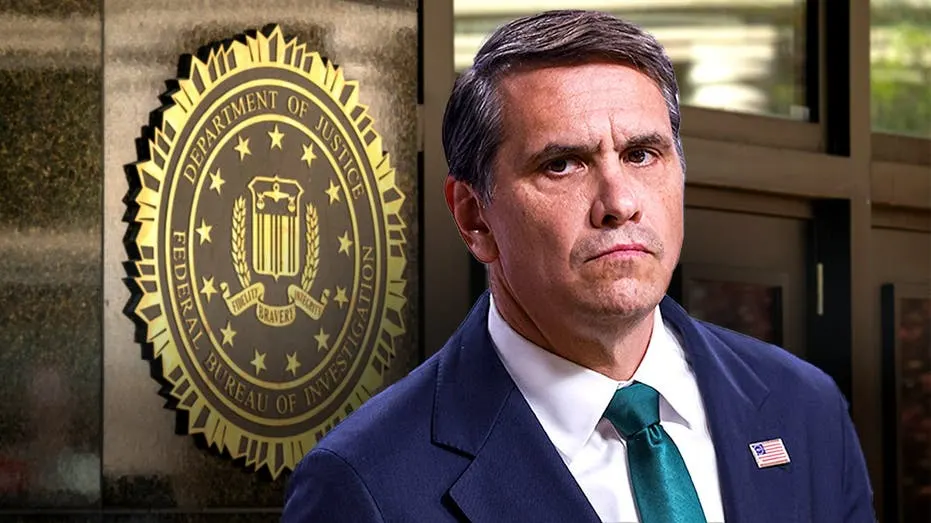
The US Department of Justice has launched its largest denaturalisation drive on record, seeking to strip citizenship from 24 individuals accused of crimes ranging from attempted murder to child sexual abuse and identity fraud. Acting Attorney General Todd Blanche framed the effort as a defence of the integrity of naturalisation, arguing that citizenship must be "obtained lawfully and honestly", and officials have signalled this surge is only the start of a broader push under the Trump administration.
Fox News Digital, which first reported the story, said the 24 cases represent the highest number of denaturalisation actions the department has pursued at once. The move forms part of a wider effort by the administration to tighten immigration enforcement, alongside other measures such as reviewing Temporary Protected Status decisions and disputes with federal judges over deportation rulings.
In short
- DOJ seeks to revoke citizenship of 24 people, its largest such push ever.
- Cases involve alleged crimes including attempted murder and child sexual abuse.
- Officials say this denaturalisation drive is "only the beginning".
Steelman: both sides, in good faith
The strongest fair case each way — we don't pick a winner.
The case for
Supporters contend that citizenship is a privilege earned through lawful and honest means, and that individuals convicted of serious crimes—particularly those involving fraud—have fundamentally breached the integrity of the naturalisation process. They argue that vigorous enforcement of existing laws against fraudulent naturalisation upholds both the rule of law and the legitimacy of citizenship itself.
The case against
Critics raise concerns that stripping citizenship represents a historically severe action rarely used in American legal practice, and could establish a two-tiered system of rights or signal selective enforcement rather than consistent application of law. They contend that citizenship, once legitimately granted, warrants robust due process protections, and question whether criminal convictions necessarily establish fraud in the naturalisation process itself, particularly given the marked departure from historical precedent.
Explained simply
US citizenship can be acquired at birth or, for many immigrants, through naturalisation after meeting legal requirements and taking an oath. Denaturalisation is the process of asking a court to revoke citizenship that was obtained unlawfully, for example through fraud; it is different from deporting someone who is not a citizen.
The Department of Justice brings denaturalisation cases, and a judge decides whether citizenship should be revoked. The effort sits within the Trump administration’s broader push to tighten immigration enforcement, making questions about how naturalised citizens are treated and how the law is applied central to the debate.