Culture news and discussion on TalkFuse.
Why Parents Are Still Afraid of Video Games After 50 Years and How a Gaming Nonprofit’s New Workshops Are Trying to Help
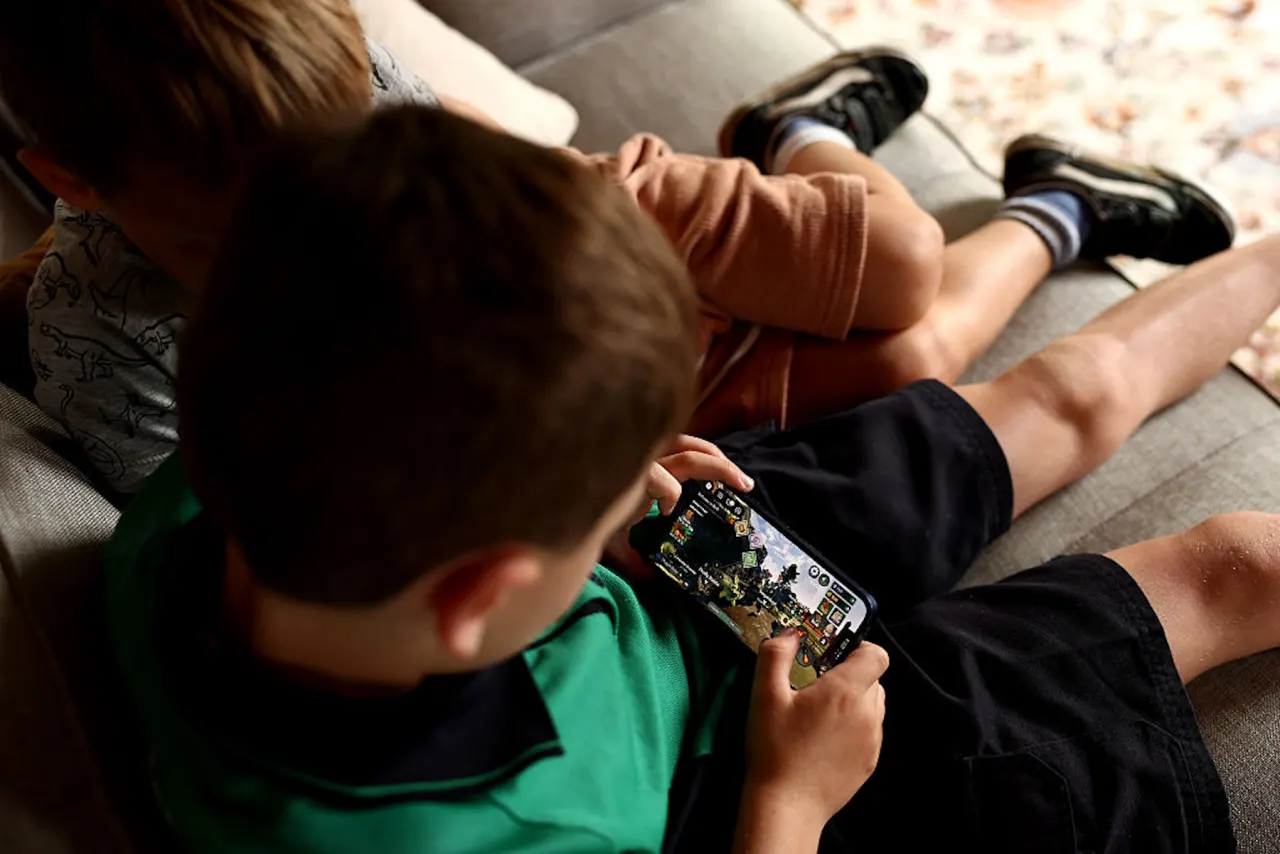
New research from the nonprofit Games for Change finds that parents in 2026 hold the same worries about video games — screen time, addiction and inappropriate content — that parents have voiced for the past 50 years, despite these concerns often being at odds with what the research actually shows. The findings matter because they suggest decades of academic and industry efforts to inform parents about gaming have failed to shift public perception, leaving families anxious and potentially limiting positive shared experiences around games.
Research director Rachel Kowert's paper, "Raising Good Gamers: What Families Need to Know About Video Games and Well-Being," analysed nearly 200,000 media articles and social media posts across 15 countries and seven languages, finding negative sentiment towards gaming outweighs positive sentiment by more than five to one (34% versus 6%). Kowert argues gaming's fears have persisted longer than those around books, film or television partly because it is interactive and is frequently, and often wrongly, linked to violent crime. Her research also found nearly 60% of children want to play games with their parents more often, and she proposes a framework called "SPACE" — Show up with curiosity, Play together, Adjust for context, Cultivate digital citizenship, and Establish boundaries together — to help families engage more constructively.
In short
- Parents' fears about gaming remain unchanged after 50 years, study finds
- Games for Change: negative gaming sentiment outweighs positive 5-to-1 online
- New "SPACE" framework aims to help parents engage with children's gaming
Steelman: both sides, in good faith
The strongest fair case each way — we don't pick a winner.
The case for
Parental anxiety about gaming deserves understanding rather than dismissal. The interactive nature of games, the genuine existence of inappropriate content in some titles, and the reality that long-term neurological effects on developing brains remain incompletely mapped all justify a cautious approach. Some children do show problematic engagement patterns; whilst research often finds benefits overall, reasonable parents might prefer measured adoption over uncritical embrace of a rapidly evolving medium.
The case against
Parental fears about gaming remain frozen despite fifty years of research demonstrating cognitive and social benefits—a pattern matching historical panics about books, radio and television that proved largely baseless. Media outlets report gaming negatively by five to one compared to positively, creating a distorted impression unsupported by current evidence. Children themselves want greater engagement with parents around gaming; outdated anxieties prevent families from experiences research suggests are developmentally valuable, whilst proven frameworks for healthy engagement go underutilised.
Explained simply
Video games have been part of family life for decades, but parents have long worried about how much time children spend playing, whether games can be addictive and whether their content is suitable. Games for Change, a nonprofit that explores how games can support learning and social impact, says these concerns remain common even as research often presents a more mixed picture.
The organisation’s research director, Rachel Kowert, has studied how games are discussed in news and social media across many countries and languages. She says games may attract lasting concern because they involve active participation and are often associated with violent crime, sometimes without good evidence.
The research also suggests many children would like to play more with their parents. Games for Change is using this work to shape workshops that encourage families to explore games together, talk about online behaviour and agree boundaries.
Art Culture Entertainment Gaming