Culture news and discussion on TalkFuse.
As Merger Hangs In The Balance, Paramount And WBD Step Into Quarterly Earnings Spotlight
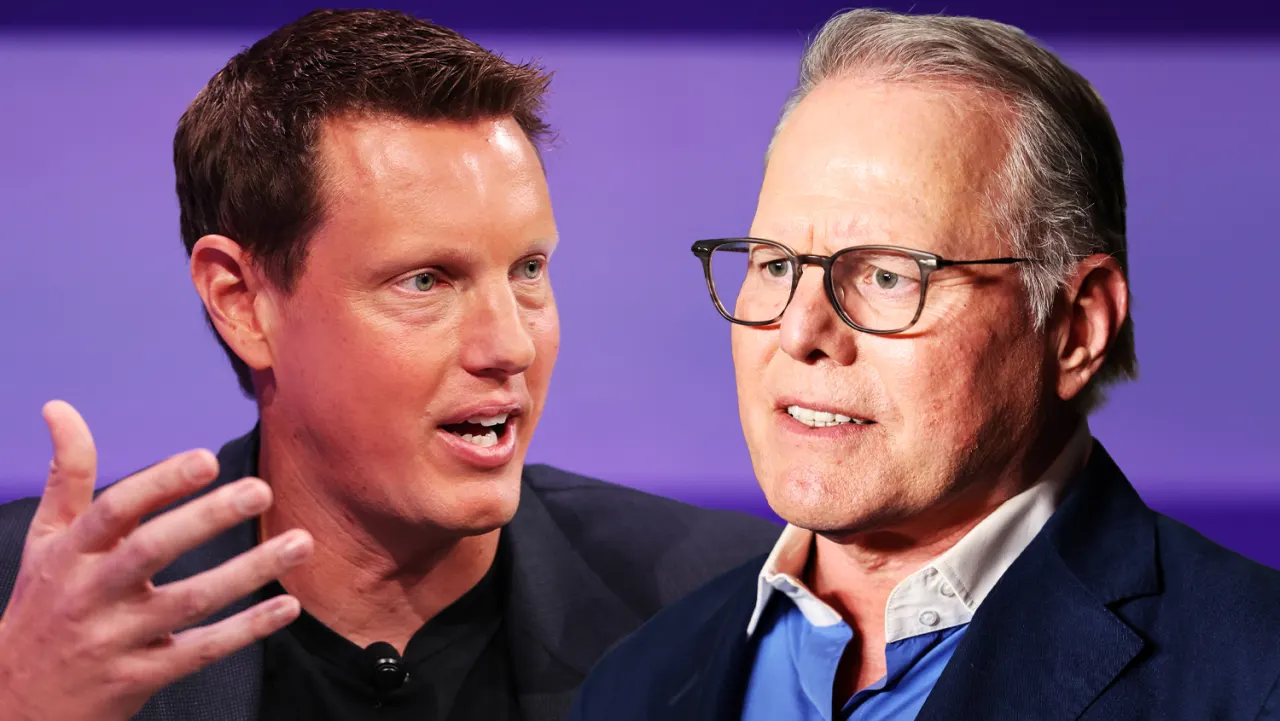
Paramount and Warner Bros. Discovery are set to report second-quarter earnings this week, with both firms likely to sidestep questions about their $110 billion merger, which remains stalled amid an antitrust challenge from 12 state attorneys general and the Writers Guild of America. A judge is expected to set a trial date soon, and the prolonged uncertainty has weighed heavily on both companies' share prices, with Paramount stock down 40% and WBD down 7% since the deal was announced in late February.
Analysts expect Paramount's revenue to be flat at around $6.9 billion with earnings per share falling to 17 cents, while WBD is projected to post revenue of $9.2 billion and a loss of 10 cents a share, reversing a profit a year earlier. Both companies' streaming arms are growing, with Paramount+ reaching 79.6 million subscribers and HBO Max topping 140 million and expected to hit 150 million by year end, though declining linear TV operations remain a shared concern, particularly given that cable network concentration features in the AGs' lawsuit. Opinion in Hollywood is split between those who fear the merger will harm a legacy studio and its workers, and others who worry the alternative could be worse.
In short
- Paramount and WBD report earnings this week amid stalled $110bn merger
- Antitrust lawsuit from states and WGA has delayed the deal
- Both firms' shares have fallen; streaming grows but linear TV declines
Steelman: both sides, in good faith
The strongest fair case each way — we don't pick a winner.
The case for
Supporters of the merger argue that both companies face existential challenges competing against Netflix, Amazon, and Disney without the scale and resources such a combination provides. They contend that merging enables stronger investment in content and technology whilst reducing inefficient redundancies, ultimately creating a viable third major player that benefits consumers through genuine competition. Without consolidation, they worry both Paramount and WBD may continue declining separately, ultimately harming rather than helping the industry and its workers.
The case against
Opponents raise substantive concerns that combining two major studios would reduce competition in content creation and diminish the number of significant independent voices in Hollywood. They argue that historical studio mergers have typically led to cost-cutting, layoffs, and less investment in diverse content, whilst cable network concentration raises legitimate antitrust concerns about market power and fair dealing. For them, preserving multiple competitive studios and protecting workers' interests outweighs the pursuit of scale for its own sake.
Explained simply
Paramount and Warner Bros. Discovery are large US entertainment companies with film studios, television channels and streaming services. Paramount owns Paramount+, while Warner Bros. Discovery runs HBO Max; both also have traditional television businesses that have been losing ground.
The proposed merger would combine the companies, bringing their studios, channels and streaming services under one owner. It faces a legal challenge from 12 US state attorneys general and the Writers Guild of America, who have raised concerns about the deal; a judge is expected to set a trial date.
The case matters to the companies, their staff and the wider entertainment industry because its outcome could reshape competition and jobs. The companies are also dealing with uncertainty for investors and the shift from cable television towards streaming.
Art Business Companies Culture Research Science