The 1972 album that destroyed Bread and almost took soft rock down with it: “It was done”
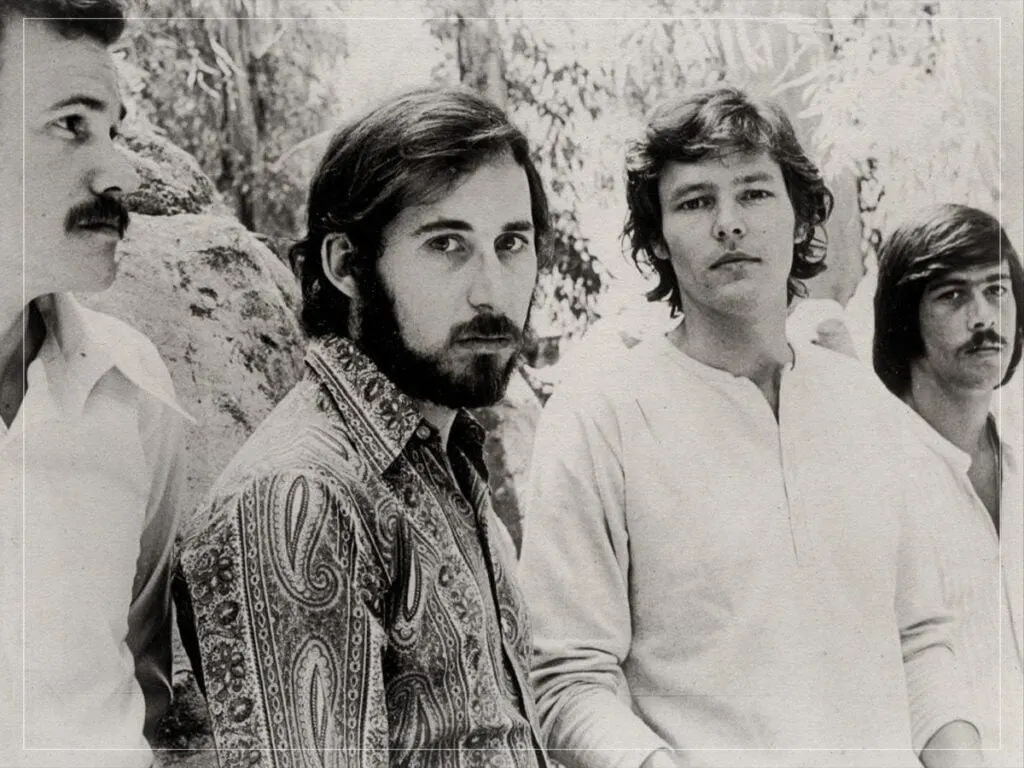
Bread established themselves as leaders of soft rock throughout the late 1960s and early 1970s, but by 1972 faced mounting pressure to sustain their commercial momentum. They released two albums within months of each other that year, with one achieving strong chart success at number three and producing multiple hit singles.
The relentless schedule of back-to-back recordings and touring exhausted the band's creative reserves. Their subsequent album charted considerably lower at number 18, signalling both declining commercial appeal and artistic quality. Recognising that their output had become compromised, the members opted to disband rather than continue on a downward trajectory, with their frontman explaining that preserving their built reputation was preferable to releasing increasingly diminished work.
- Bread disbanded in 1973 after rapid album releases and relentless touring depleted their creative energy, with chart performance declining noticeably
- The band chose to end on their terms rather than continue releasing artistically compromised work and risk damaging their soft rock legacy
New here? Start with this
Bread were an American band whose gentle, melodic songs helped define soft rock, a style that often blended rock instruments with polished arrangements and restrained vocals. Singer and songwriter David Gates was their best-known member, alongside musicians including Jimmy Griffin, Robb Royer and Mike Botts.
In the early 1970s, record companies and audiences expected successful bands to keep releasing albums and touring. Bread’s rapid run of recording and performances put pressure on the group’s creative energy, raising a question familiar to many bands: whether to carry on as a going concern or stop while their work still met their own standards.