New releases, music videos and album news — indie, rap, rock and pop. Always covering Ren, Chris Webby, Sam Tompkins, bbno$, CHINCHILLA, Muse, Yungblud and more.
‘Wheels of Fortune’: How Steely Dan inspired The Doobie Brothers 1976 classic
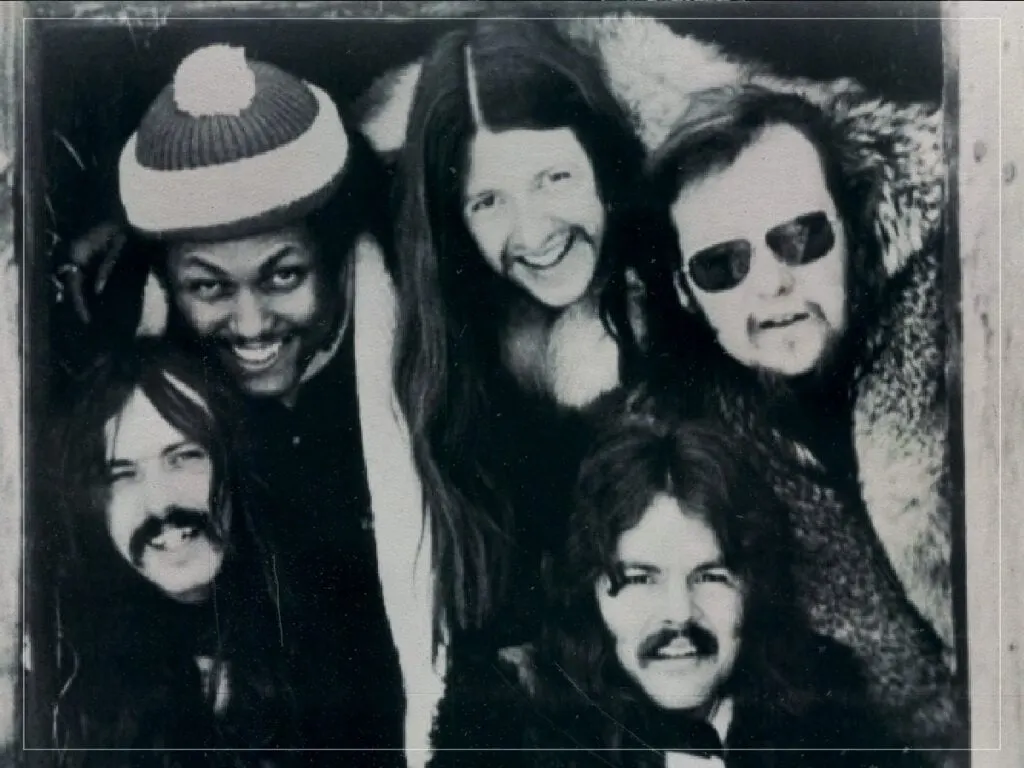
The article explores how The Doobie Brothers' 1976 track "Wheels of Fortune" was shaped by the jazz-fusion sound pioneered by Steely Dan, illustrating the often-overlooked debt rock music owes to jazz. Although The Doobie Brothers were primarily known for their soft and pop-rock sound, the piece argues that their willingness to absorb jazz influences produced one of the band's most enduring and admired songs, even though it was a commercial disappointment on release.
Taken from the album Takin' It to the Streets, "Wheels of Fortune" peaked at just number 87 on the US singles chart, a stark contrast to the title track's number 13 placing, yet it went on to become a fan favourite prized for its expansive sound. The jazz-fusion influence was reinforced directly by guitarist Jeff "Skunk" Baxter, who had joined Steely Dan before becoming a member of The Doobie Brothers in 1974 and played lead guitar on the single, bridging the two bands' distinct styles.
In short
- Steely Dan's jazz-fusion sound shaped The Doobie Brothers' 1976 song
- "Wheels of Fortune" only reached number 87 on release
- Guitarist Jeff "Skunk" Baxter linked both bands' sounds
Explained simply
The Doobie Brothers are an American rock band whose music has included soft rock and pop rock. Their 1976 album Takin’ It to the Streets featured “Wheels of Fortune”, a song with a broader sound than the band’s best-known hits.
Steely Dan, another American band, helped bring jazz influences into rock through intricate arrangements and jazz-inspired playing. Guitarist Jeff “Skunk” Baxter had played with Steely Dan before joining the Doobie Brothers in 1974, connecting the two groups.
“Wheels of Fortune” made little impact on the US singles chart when it was released, while the album’s title track reached number 13. Over time, the song became a fan favourite, illustrating how a track can find an audience beyond its initial chart performance.