World news and discussion on TalkFuse.
“Shock and horror”: The disastrous 1960s shows that killed the Exploding Plastic Inevitable
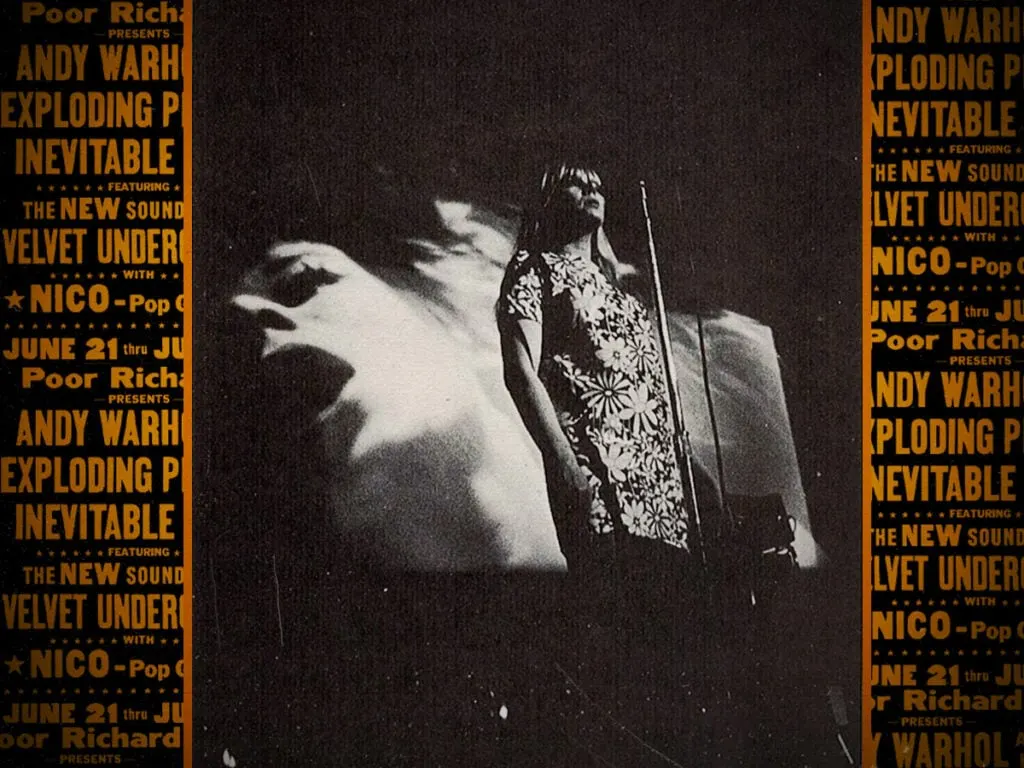
The article looks at the demise of the Exploding Plastic Inevitable, the multimedia spectacle devised by Andy Warhol in the mid-1960s that fused The Velvet Underground and Nico's music with film projections, strobe lighting and dancers. It traces how a run of poorly received performances undermined the project, contributing to its eventual collapse and the fracturing of Warhol's working relationship with the band. The piece situates this within the broader story of how one of the era's most ambitious avant-garde art experiments could not sustain its momentum once real-world touring conditions took their toll.
The Exploding Plastic Inevitable had been conceived as an immersive, boundary-pushing show combining live rock music with experimental film and performance art, and it toured venues across the United States in 1966 and 1967. According to the article, certain shows were met with confusion, hostility or technical failure, undermining the production's reputation and straining relations between Warhol, the Velvet Underground and other collaborators. These difficulties are presented as a key factor in the eventual winding-down of the Exploding Plastic Inevitable as a going concern.
In short
- Article examines the decline of Warhol's Exploding Plastic Inevitable multimedia show.
- Poorly received 1960s performances undermined the project's momentum.
- Touring troubles strained ties between Warhol and The Velvet Underground.
Explained simply
The Exploding Plastic Inevitable was an art and music show created by artist Andy Warhol in the mid-1960s. It brought together live performances by the Velvet Underground, a New York rock band, with films projected around the venue, flashing lights and dancers.
The show toured venues in the United States in 1966 and 1967, aiming to surround audiences with sound and images rather than present a conventional concert. Its success depended on artists, musicians and technical equipment working together in changing venues, which made it difficult to sustain.
The project matters as an ambitious experiment in combining rock music and visual art. Its history also reflects the pressures that touring conditions could place on creative partnerships and performances.