Business news and discussion on TalkFuse.
UK plastic manufacturer could face legal action over toxic emissions
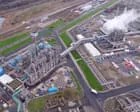
The Environment Agency is considering prosecuting Huntsman Polyurethanes over emissions of benzene, a carcinogenic chemical with no safe exposure level, from its Teesside plant. The potential legal action follows a change to the site's emissions-control process that led to benzene being periodically released directly into the air, raising concerns from campaigners about health risks to workers and the local community and highlighting wider scrutiny of the plastics industry's environmental record.
Huntsman decommissioned a benzene-reducing process in 2023 and replaced it with a third-party method that has "periodically paused", allowing emissions to rise from 13 tonnes in 2022 to 17 tonnes in 2024, according to EA records, despite the regulator being aware of the issue since 2023. A March 2026 inspection found several permit breaches, and modelling ordered by the EA showed "significant" breaches of legally binding air quality standards, with one scenario exceeding the 24-hour benzene limit by 933%. Huntsman insists it remains "fully compliant" with its permit, while the EA says predicted concentrations stay below environmental standards but is still weighing further enforcement action alongside health agencies.
In short
- EA may prosecute Huntsman Polyurethanes over Teesside benzene emissions
- Benzene emissions rose from 13 to 17 tonnes between 2022 and 2024
- Modelling found emissions breached 24-hour air limit by up to 933%
Steelman: both sides, in good faith
The strongest fair case each way — we don't pick a winner.
The case for
Benzene is a known carcinogen with no safe exposure level, and the evidence of harm here is stark: the company removed a functioning safety process, emissions have risen significantly, permit breaches have been formally found, and modelling shows violations of legally binding air quality standards. Workers and neighbouring communities face genuine health risk from a decision that appears driven by cost rather than safety. Prosecution is warranted to enforce existing standards and send a clear signal that such practices will not be tolerated.
The case against
The regulatory picture is more complex than it first appears. The Environment Agency itself states that predicted concentrations remain below environmental standards, suggesting the situation, whilst troubling, may not constitute the clear-cut violation that prosecution requires. The company replaced one process with a third-party method rather than simply removing safety measures, and technical issues with that method—however serious—differ from wilful non-compliance. Before prosecution, regulators should definitively establish whether actual binding standards are breached and give the operator reasonable opportunity to remedy technical failures.
Explained simply
Benzene is a chemical used in making plastics and other products. It can cause cancer, and exposure to it is a concern for people who work with it and those living nearby.
Huntsman Polyurethanes operates a chemical plant on Teesside. The Environment Agency regulates pollution from the site and sets limits through its environmental permit; it is considering whether to bring a prosecution over benzene released into the air.
The issue matters because the plant’s emissions-control process was changed, and reported benzene emissions later rose. The case also raises wider questions about how industrial pollution is monitored and how regulators respond when a plant may have breached its permit.
Business Climate Environment Science UK World