Business news and discussion on TalkFuse.
Price of olive oil expected to rise again as European crops feel the heat
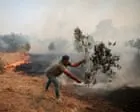
European farmers are warning of falling food production and rising prices after extreme heat, drought and wildfires damaged crops across the continent this summer. Olive oil, already expensive following previous price spikes, is expected to rise further as groves in Greece, Italy and Portugal have been hit by fire, ash and poor air quality, while other affected produce ranges from grapes and cereals to salad vegetables and citrus fruit.
France's Légumes de France association reported thousands of tonnes of vegetables lost, with some crop yields expected to halve, while Champagne growers now anticipate their earliest-ever harvest, around 15 August, with yields down roughly 10% on last year. Spain's cereal crop is forecast to fall from 24m to about 18.5m tonnes, even before wildfire damage is accounted for, and the EU has cut harvest predictions for sunflowers (down 7%), maize (down 6%) and potatoes and soya beans (down 3%). Not all countries have suffered equally, with Romania benefiting from more rain and Italy's wheat crop holding up well, but industry groups say the overriding concern is rising production costs rather than trade disruption.
In short
- Olive oil prices set to rise again after heat, drought and wildfires hit European crops
- French vegetable and grape harvests badly affected; Champagne picking starts unusually early
- Spain's cereal crop forecast down sharply; EU cuts sunflower and maize yield estimates
Explained simply
Olive oil comes mainly from olives grown in Mediterranean countries, including Greece, Italy and Portugal. Heat and drought can reduce the amount of fruit trees produce, while fires, smoke and ash can damage groves and nearby crops.
Farmers across Europe also grow cereals, grapes, vegetables and other foods affected by this summer’s conditions. Harvests vary by region: some crops have suffered sharp losses, while others have held up better.
When less produce is available and it costs more to grow and harvest, food prices can rise. Olive oil had already become more expensive after earlier poor harvests, so another shortfall could add to costs for households and food businesses.
Business Culture Europe Food World