World news and discussion on TalkFuse.
Curlew revival continues at nature reserve
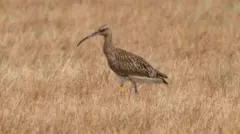
Rare curlews have returned to nest at Elmley Nature Reserve in Kent, the same site where they were hatched as part of a captive-rearing project to restore the at-risk wading bird to lowland Britain. Estate manager Gareth Fulton said it was "really exciting" that birds from earlier releases had paired up and come back to the reserve, marking a promising milestone for the conservation scheme. Curlew numbers have fallen by around 50% since 1995 due to changing farming practices and rising predator numbers, placing the species on the British Trust for Ornithology's red list of conservation concern.
Elmley, on the Isle of Sheppey, is one of three sites in the South of England Curlew Recovery Project, working with upland conservationists such as those in the Yorkshire Dales, where curlew populations remain healthier. Under licence from Natural England, eggs are collected from vulnerable nests near footpaths or in fields due to be cut, then hatched at Elmley before the birds are released; 33 were freed in 2026, bringing the four-year total to more than 100. Because curlews tend to return to their birthplace to breed, conservationists hope the returning birds — described as still "very young" and "kind of teenagers" — will start nesting and raising chicks of their own at the reserve as early as next year.
In short
- Curlews raised at Elmley reserve in Kent have returned to nest
- Species has declined 50% since 1995, now on red conservation list
- Over 100 birds released in 4-year recovery project; more expected 2027
Steelman: both sides, in good faith
The strongest fair case each way — we don't pick a winner.
The case for
Curlews have suffered a catastrophic 50% decline since 1995, placing the species on conservation red lists and threatening its extinction from lowland Britain. Captive-rearing paired with habitat management offers a practical, evidence-based intervention that's already showing measurable results—the return of breeding birds demonstrates the scheme works and can rebuild populations. This approach buys crucial time whilst longer-term habitat restoration and predator management initiatives take effect, and strategic breeding helps address genetic diversity concerns that could otherwise undermine the species' survival.
The case against
Whilst well-intentioned, captive-rearing risks treating symptoms rather than tackling root causes. The fundamental problems—changing farming practices and rising predator numbers—demand direct habitat restoration and predator management rather than labour-intensive breeding programmes. Resources devoted to captive-rearing might achieve faster, more sustainable population recovery if invested primarily in protecting and restoring lowland nesting habitat itself. Additionally, collecting eggs from wild nests removes potential breeding opportunities from an already decimated population and risks creating artificial dependency on human intervention.
Explained simply
Curlews are large wading birds that breed in Britain, but their numbers have fallen sharply since the mid-1990s. Changes in farming and rising numbers of predators are among the pressures they face, and the species is now on the British Trust for Ornithology’s red list of conservation concern.
Elmley Nature Reserve is on the Isle of Sheppey in Kent and is part of a project to help curlews breed in southern England. With a licence from Natural England, conservationists collect eggs from nests at risk, hatch them at Elmley and release the young birds there. The project also works with groups in upland areas such as the Yorkshire Dales, where curlew populations are healthier.
Curlews often return to the place where they hatched to breed, so conservationists hope released birds will eventually raise chicks at Elmley. This could help rebuild a population in the lowlands, where the species has become less common.