60 years ago, The Temptations surprised the world with ‘Beauty Is Only Skin Deep’
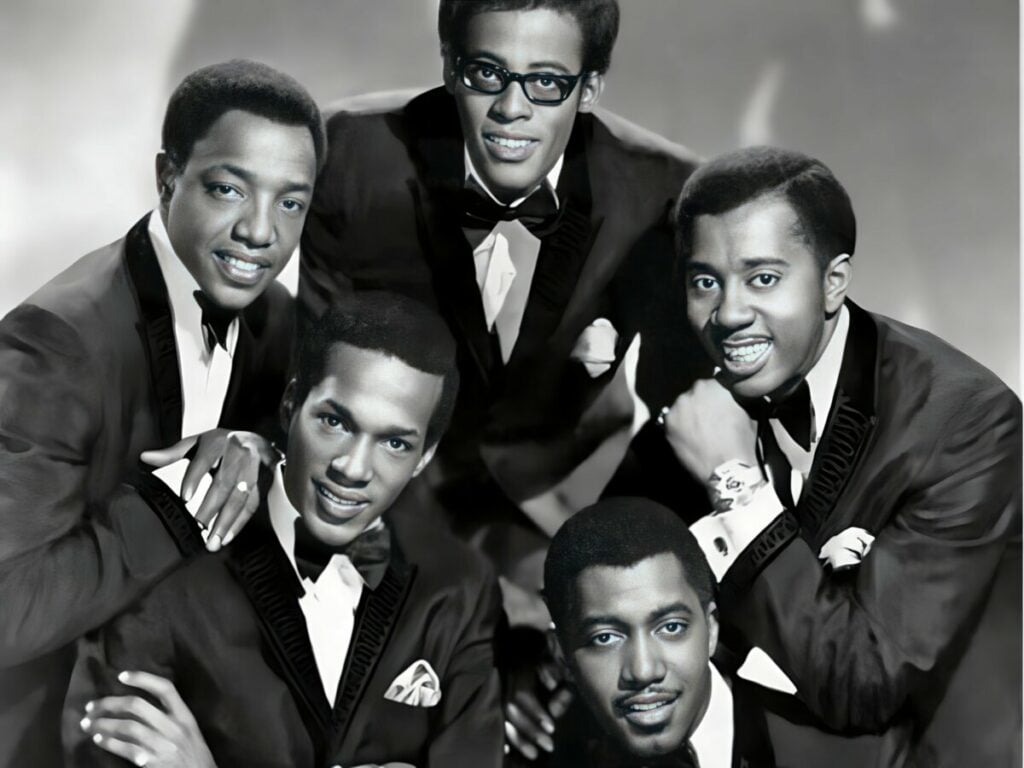
This year marks 60 years since The Temptations released "Beauty Is Only Skin Deep", a single that stood out for tackling themes beyond typical romantic pop lyrics of the mid-1960s. The song, released in 1966, is remembered as a departure that showed the Motown group's willingness to experiment with subject matter and sound at a pivotal point in their career.
The track was part of The Temptations' prolific run of hits during the mid-1960s, a period in which the group, alongside Motown's songwriting and production machine, helped define the sound of soul music for a mainstream audience. Its message-driven approach to lyrics, unusual for a chart pop single at the time, has led commentators to revisit the song decades later as an example of the group's versatility and Motown's broader influence on popular music.
- The Temptations released "Beauty Is Only Skin Deep" 60 years ago, in 1966.
- The song surprised listeners with its unconventional themes for the era.
- It highlighted The Temptations' and Motown's broader influence on soul music.
New here? Start with this
The Temptations were one of Motown's flagship groups in the 1960s, part of a wave of soul and R&B acts the label built into mainstream chart stars. By the mid-1960s they had already scored several hit singles, typically built around romance and heartbreak, the standard subject matter for pop songs of the era.
"Beauty Is Only Skin Deep", released in 1966, broke from that pattern by dealing with a more reflective, message-based theme rather than a straightforward love story. This made it notable at the time, since chart-oriented pop singles rarely ventured beyond romantic or dance-focused lyrics, and it has since been seen as a marker of the group's range beyond typical hit-making formulas.
The song is being revisited now as part of a wider look back at Motown's role in shaping mainstream popular music, with commentators using it as an example of how the label and its artists occasionally pushed against conventional songwriting expectations during a highly productive period for the group.