Culture news and discussion on TalkFuse.
A New ‘K-Pop Demon Hunters’ Book Features 500 Pieces of Concept Art and Delves Into Film’s Biggest References: Korean Mythology, Shamanism, Manhwa and More
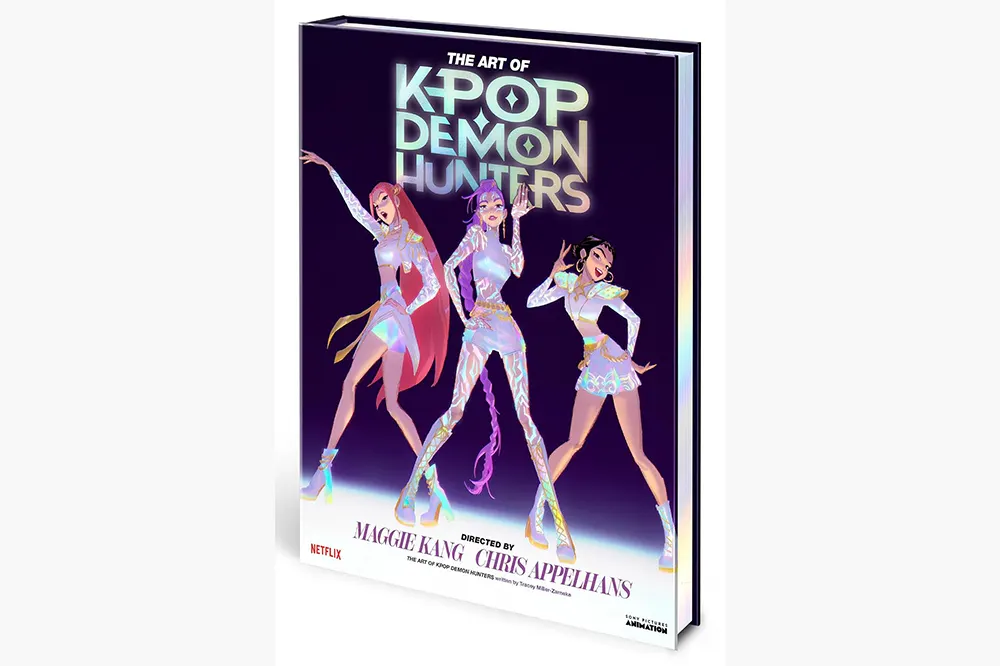
A new deluxe hardcover book, "The Art of KPop Demon Hunters: Platinum Edition," is set for release on 8 September, offering fans an in-depth look at how the Netflix animated hit's visual world was created. Written by Tracey Miller-Zarneke, the 144-page book compiles more than 500 pieces of concept art and explores the film's cultural and artistic influences, including Korean mythology, shamanism, manhwa and anime, reflecting the franchise's continued expansion beyond streaming as a sequel is developed.
The book features concept sketches, character studies and final designs, alongside holographic foil page edges evoking the film's "Honmoon" barrier. Directed by Maggie Kang and Chris Appelhans, "KPop Demon Hunters" follows girl group Huntr/x battling the demonic boy band Saja Boys, and since its June 2025 premiere has become Netflix's most-watched film ever, winning Academy Awards for animated feature and original song. The release adds to a growing range of merchandise, including dolls, apparel and a screen-comic boxed set due in November.
In short
- New "KPop Demon Hunters" art book launches 8 September with 500+ images
- Explores Korean mythology, shamanism and anime influences behind the film
- Follows Netflix's most-watched film ever, with a sequel in development
Explained simply
KPop Demon Hunters is a Netflix animated film about Huntr/x, a girl group whose members fight demons, and the Saja Boys, a rival boy band with a supernatural role. The story combines K-pop with fantasy and draws on Korean cultural traditions as well as animation styles such as anime and manhwa, a form of Korean comics.
The film was directed by Maggie Kang and Chris Appelhans. Its visual world includes the Honmoon, a magical barrier, and designs shaped by influences such as Korean mythology and shamanism, traditions involving communication with spirits. These references help explain the film’s setting and the imagery behind its characters.
Art Asia Culture Entertainment Film TV World