New releases, music videos and album news — indie, rap, rock and pop. Always covering Ren, Chris Webby, Sam Tompkins, bbno$, CHINCHILLA, Muse, Yungblud and more.
The day David Bowie discovered the next T Rex in Leeds: “Couldn’t get any better”
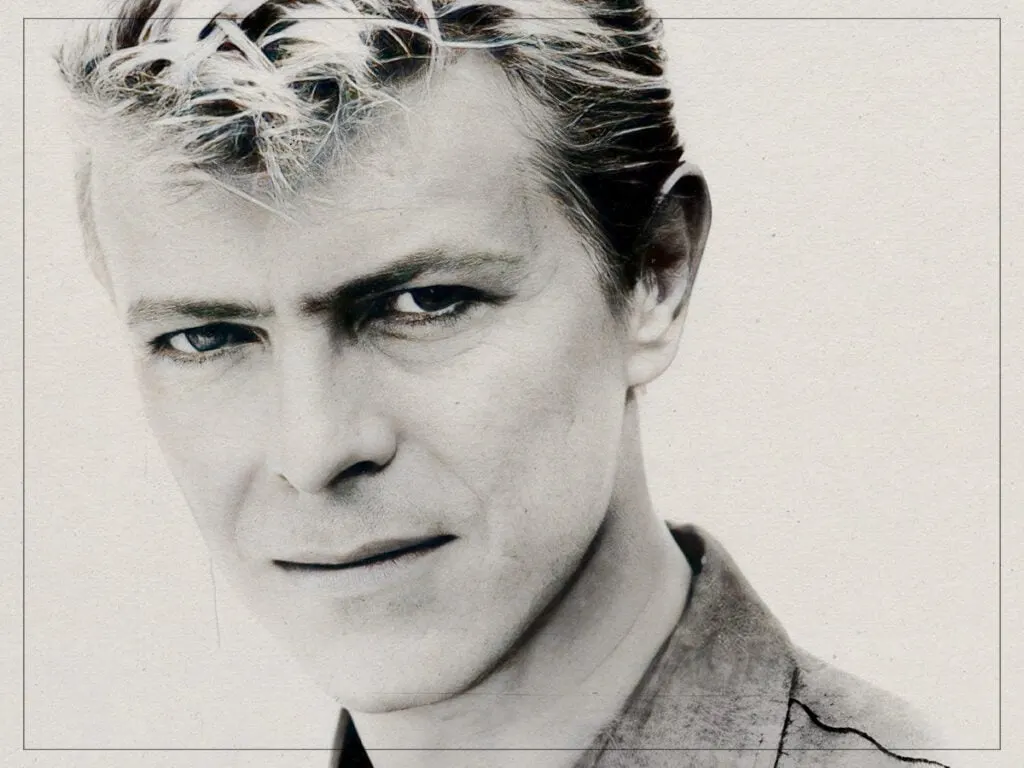
In 1978, David Bowie helped spark wider attention for the Leeds post-punk band the Mekons when he praised their single "Where Were You?" on Radio 1, comparing them to a young Marc Bolan. This mattered because Bowie was then at a critical high point following Low and Heroes, and his endorsement lent unusual credibility to a fledgling DIY act, boosting interest in both the band and the Fast Product label that released them.
The Mekons formed in 1976 out of the Leeds University art school scene, alongside acts such as Gang of Four and Delta 5. Their second single sold around 27,000 copies after airplay from John Peel, a huge figure for an independent release, and guitarist Tom Greenhalgh later told The Guardian that Bowie's comparison "couldn't get any better." Although the band never repeated that level of commercial success, the episode cemented their cult status and their lasting place in Leeds' post-punk history.
In short
- Bowie praised the Mekons on Radio 1 in 1978, likening them to young Marc Bolan
- Their single "Where Were You?" sold roughly 27,000 copies via Fast Product
- The band never matched that success again but retains cult status
Explained simply
The Mekons were a band formed in Leeds in 1976 by students from the university’s art school. They were part of a local scene that also produced groups such as Gang of Four and Delta 5, and released music through Fast Product, an independent record label.
In the late 1970s, David Bowie was an established star whose albums Low and “Heroes” had brought him to a new creative peak. His praise on BBC Radio 1 could bring attention and credibility to a young band, while John Peel’s broadcasts were also important for independent music.
The Mekons’ single “Where Were You?” attracted attention and sold unusually well for an independent release. The episode became part of the band’s story and of Leeds’ post-punk history, even though they did not achieve the same commercial success again.