Politics news and discussion on TalkFuse.
Ted Cruz urges Senate to stay in Washington until Protect College Sports Act passes this week
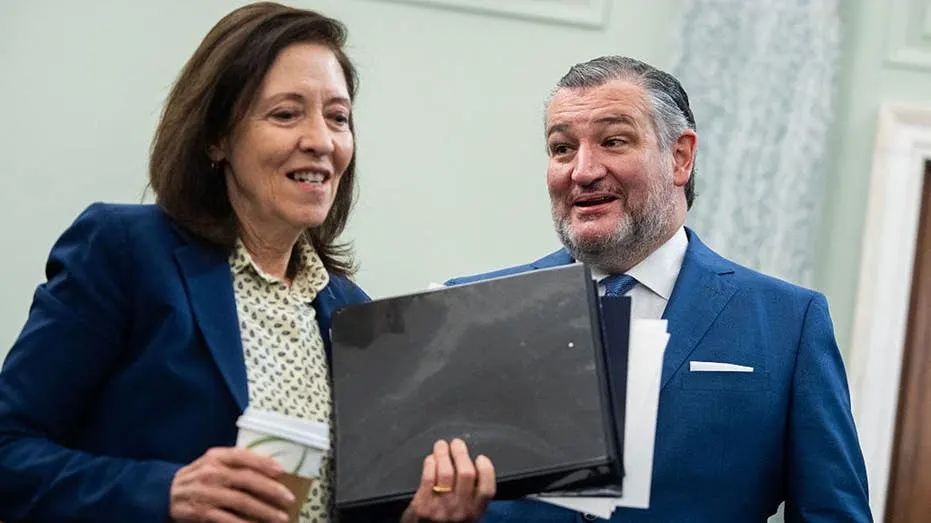
The Senate Commerce Committee has advanced a bipartisan bill, the "Protect College Sports Act", which would establish a nationwide framework for athlete name, image and likeness (NIL) payments and limit players to one penalty-free transfer within a five-year period. Senator Ted Cruz is pushing for the Senate to remain in Washington until the legislation is passed this week, reflecting the urgency lawmakers are placing on standardising rules that currently vary widely between states and conferences.
The push follows the Big Ten and SEC conferences agreeing last week, after intensive negotiations, to back the bill, paving the way for congressional leaders to finalise its text. President Donald Trump also voiced support while speaking to reporters in the Oval Office on Monday, expressing hope that the legislation would move forward soon. The bill aims to bring consistency to college sports amid ongoing disputes over athlete compensation and transfer rules.
In short
- Senate committee advances bipartisan Protect College Sports Act
- Bill sets nationwide NIL rules and limits transfers to one per five years
- Cruz urges Senate to stay until it passes this week
Steelman: both sides, in good faith
The strongest fair case each way — we don't pick a winner.
The case for
Supporters argue the bill addresses real problems caused by the current fragmented landscape of inconsistent state and conference rules. These variations create unfair advantages for some athletes whilst disadvantaging others, enabling exploitation through confusion and inconsistency. A nationwide framework standardising NIL compensation and establishing reasonable transfer limits provides transparency and stability whilst protecting student-athlete interests. The bipartisan consensus and major conference backing indicate this represents a pragmatic compromise addressing genuine systemic issues.
The case against
Critics contend the bill improperly restricts athlete autonomy and freedom through federal regulation of compensation and movement. The one-transfer limit significantly constrains player mobility, preventing athletes from escaping poor situations or pursuing better opportunities—limitations particularly harmful to those with limited negotiating power. Market-based approaches, where athletes compete and move freely, better serve their interests than uniform federal rules partly designed for institutional stability. True athlete protection requires maintaining freedom of choice rather than imposing top-down restrictions.
Explained simply
College athletes can earn money from the use of their name, image and likeness, known as NIL, for example through sponsorships. Rules on these payments differ between states and sporting conferences, while college sports have also faced disputes over how often players can transfer between teams.
The Protect College Sports Act is a proposed federal law that would set nationwide rules for NIL payments and allow one transfer without penalty during a five-year period. Its supporters include Senator Ted Cruz, the Big Ten and SEC conferences, and President Donald Trump. The debate matters to athletes, universities and sports bodies because a single national framework could change how compensation and transfers are handled across college sports.
Elections Government Politics World