World news and discussion on TalkFuse.
Landmark Deal Would Officially Add Laser Weapons to US Army Arsenal
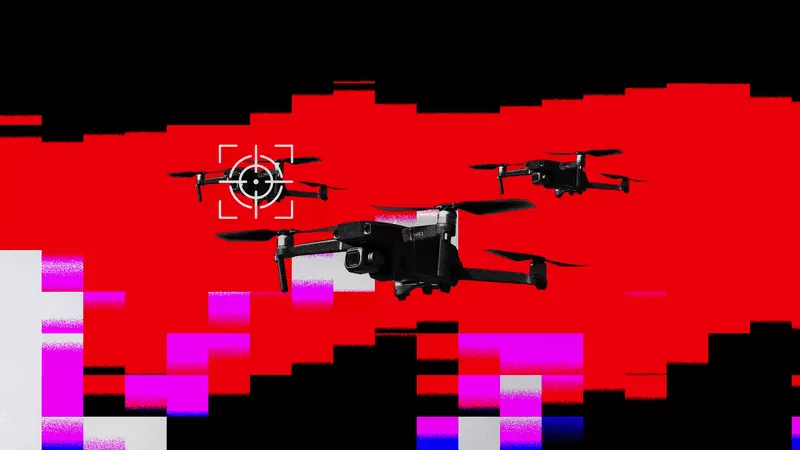
The US Army is set to formally add laser weapons to its arsenal for the first time, with the Pentagon poised to sign a contract for what is called an Enduring High Energy Laser system. The deal, expected to be announced as early as this week, would see the lasers deployed at and around military bases worldwide to counter the growing threat of drone attacks, marking a significant shift after more than 50 years of largely unsuccessful US efforts to develop viable laser weapons.
The move comes amid mounting evidence from the wars in Ukraine and against Iranian-backed forces that cheap, mass-produced drones cannot be reliably countered by conventional means alone, including costly interceptor missiles such as the $4 million Patriot, which has been used against drones worth a fraction of that price. The US military already has roughly half a dozen laser systems deployed or under testing, including Navy "dazzlers" and an Air Force system in Europe, though results have been mixed: some Raytheon-equipped vehicles were withdrawn from the Middle East after poor reviews, and an AeroVironment laser on the southern border mistakenly shot down a party balloon and a Border Patrol drone in February. The push for a formal laser programme intensified after an Iranian drone killed six US service members and injured 30 others on 1 March.
In short
- Pentagon set to formally adopt laser weapons for base defence against drones
- Follows decades of failed US laser weapon development efforts
- Comes after deadly March drone attack killed six US troops
Steelman: both sides, in good faith
The strongest fair case each way — we don't pick a winner.
The case for
Laser weapons address a genuine operational problem: drones are cheap and abundant, making them economically devastating to counter with expensive conventional missiles like the $4 million Patriot. Ukraine and Middle Eastern conflicts demonstrate this threat is real and mounting, whilst laser systems offer near-zero per-shot costs once deployed. Further development can overcome current environmental limitations, making formal adoption necessary to maintain military effectiveness and protect personnel.
The case against
The mixed operational record raises serious concerns about premature adoption—systems withdrawn after poor reviews and documented friendly-fire incidents suggest the technology remains unreliable in practice. Laser effectiveness is fundamentally constrained by weather and atmospheric conditions, making them unsuitable as primary defence in many theatres. After 50 years of largely unsuccessful development, rushing formal adoption risks wasting resources on an immature technology rather than pursuing more reliable alternatives or awaiting proven breakthroughs.
Explained simply
Military lasers use concentrated light to damage, disable or confuse a target. The US has tested them for decades, but has not previously made a laser weapon a standard part of the Army’s arsenal; some systems are already deployed or being tested by other parts of the military.
The Army and Pentagon are the central players in the planned programme, which is intended to protect military bases from drones. Recent conflicts have shown how relatively inexpensive drones can threaten troops and facilities, while established air-defence missiles can cost far more than the targets they intercept.