Culture news and discussion on TalkFuse.
Eli Roth Got Sick of Studio Notes and Shrinking Residuals, With ‘Ice Cream Man’ He’s Going Into Business for Himself
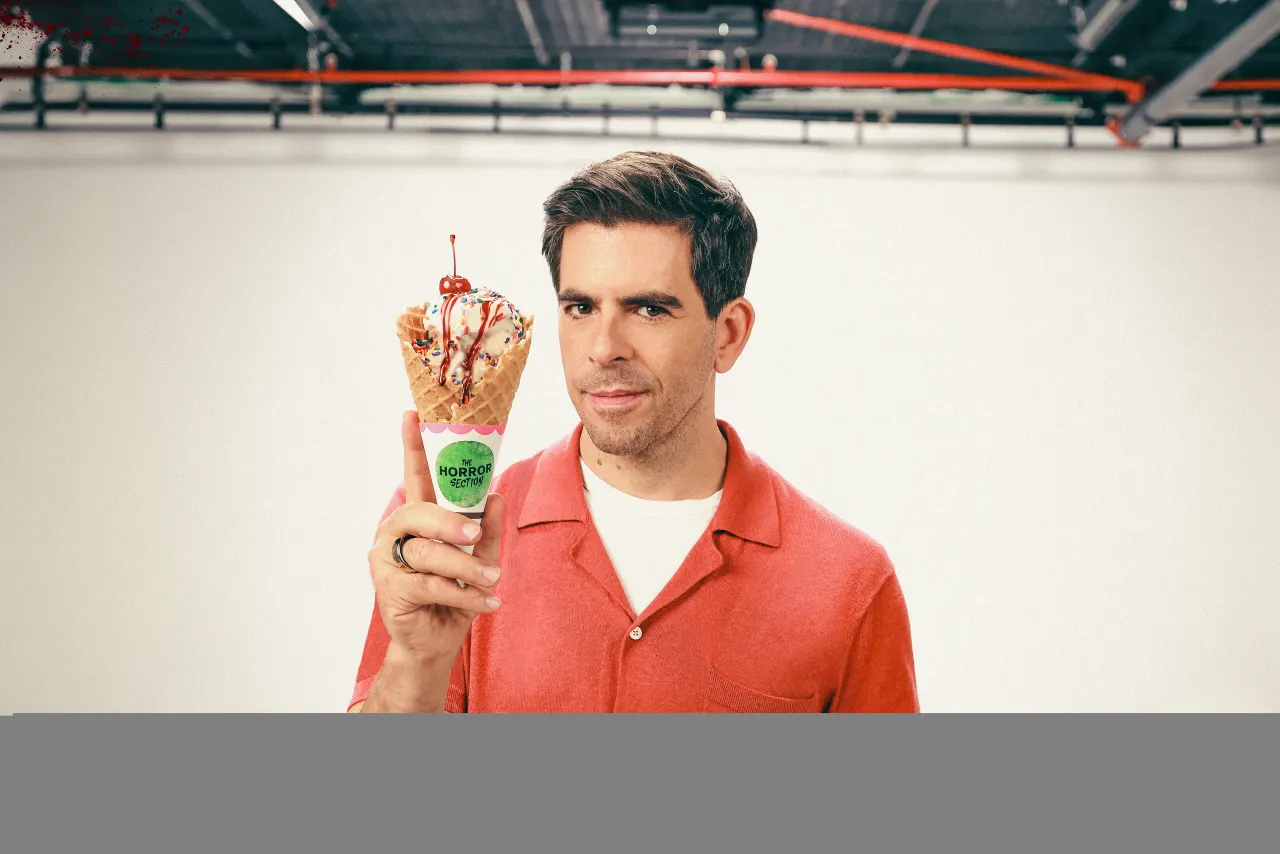
Director Eli Roth has founded his own independent distribution outfit, The Horror Section, after growing frustrated with studio interference on his $120 million video game adaptation "Borderlands," which was watered down to secure a PG-13 rating and subsequently flopped with critics and audiences in 2024. His new low-budget horror film "Ice Cream Man," about children turned homicidal after eating ice cream, marks his return to the ultraviolent style that made his name with films such as "Hostel" and "The Green Inferno," made entirely without studio oversight.
Roth raised the film's $5.5 million budget largely through foreign pre-sales and Canadian tax credits, and expects it to turn a profit if it earns between $6 million and $8 million at the box office, relying on cheap digital marketing and publicity stunts rather than a big studio spend. "Ice Cream Man" opens on 7 August, with The Horror Section planning to release two to four horror films a year, including the slasher "Stiletto" this autumn and an upcoming project with Snoop Dogg, each given roughly 45-day theatrical runs.
In short
- Eli Roth launches indie label The Horror Section after "Borderlands" studio clashes
- New film "Ice Cream Man" was self-financed via pre-sales and tax credits
- Label plans 2-4 low-budget horror films yearly, including a Snoop Dogg project
Steelman: both sides, in good faith
The strongest fair case each way — we don't pick a winner.
The case for
Creative autonomy should take precedence over studio risk-aversion, particularly when studio compromises damage films commercially and critically, as the "Borderlands" example demonstrates. Roth's independent model shows that talented directors can raise capital through pre-sales and tax credits, reach core audiences directly, and retain creative control without studio notes. Going independent is justified when studios consistently demand dilution that yields worse results anyway.
The case against
Studios provide essential financing, distribution infrastructure, and creative expertise that independent producers cannot reliably replicate, and their insistence on broad appeal reflects legitimate concerns about protecting substantial capital investment. Roth's low-budget horror model may prove viable for niche genres, but this approach lacks the scale and resilience of the studio system across diverse projects and budgets. Independent filmmaking, despite its appeal to creatives, carries genuine financial risks and offers less sustainable long-term career security than working within the traditional system.
Explained simply
Eli Roth is a filmmaker known for graphic horror films such as Hostel and The Green Inferno. He also directed Borderlands, a big-budget adaptation of a video game. The film was changed during production to secure a lower age rating and performed poorly with critics and audiences.
The Horror Section is Roth’s independent film distribution company, set up to make and release horror films with less studio involvement. Its first film, Ice Cream Man, was made on a much smaller budget, financed mainly through overseas sales and Canadian tax credits. Roth plans to release a few films each year, with short cinema runs and lower-cost promotion.
The venture reflects wider pressures on filmmakers: studio control can shape a film, while changing payment arrangements have affected what some earn after release. For an independent distributor, keeping costs down and attracting enough ticket sales are central to whether a film makes money.
Art Culture Entertainment Film Gaming