Entertainment news and discussion on TalkFuse.
After earning $1 million on Steam from a game that took 4 months to make, stunned devs end up in Valve’s coveted “chocolate tier”
Developed over time first seen 3 months ago
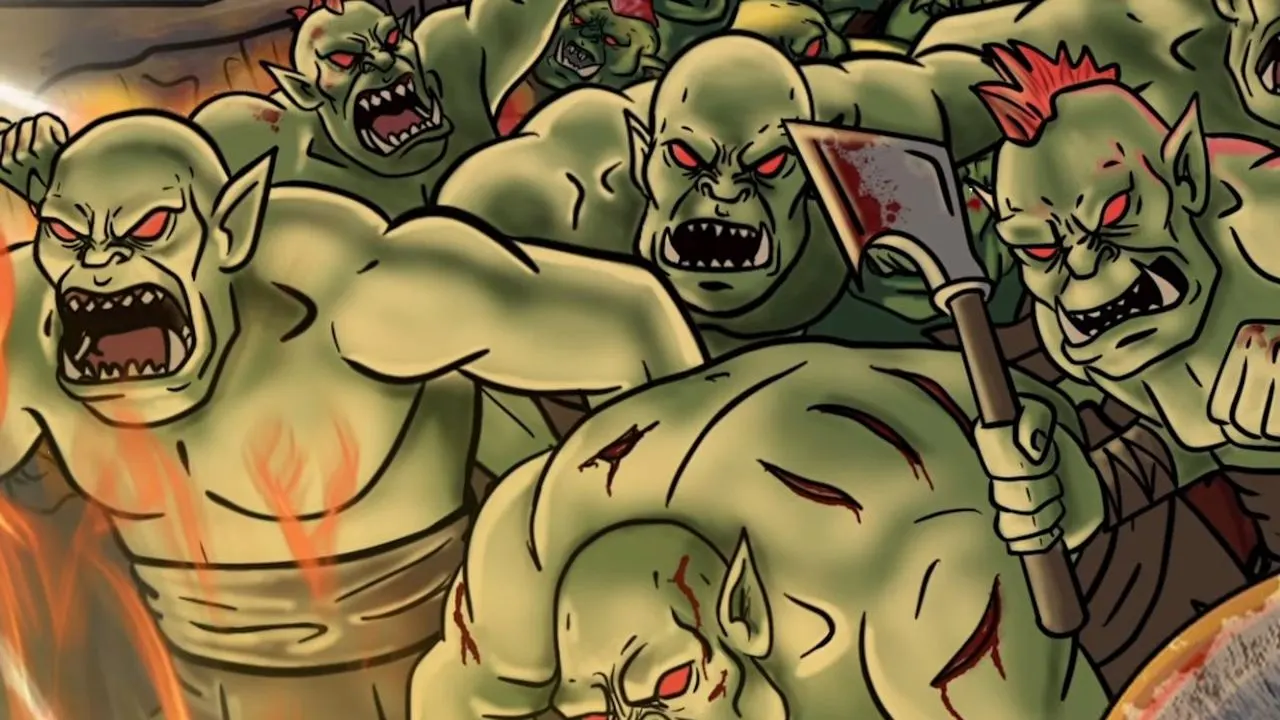
Mumpitz Games, a small German developer, achieved rapid commercial success with its release of Sir, We Have an Orc Problem, a physics-based tower defence strategy game. The title generated $360,000 in revenue during its first 24 hours and accumulated over $1 million in gross revenue within exactly one week, netting approximately $898,460 after accounting for taxes, refunds, and chargebacks. The developers noted that the game was completed in just four months by a team with extensive industry experience.
The game has received strong player reception, with 2,106 Steam reviews averaging 86% positive. Players report completing the experience in approximately 5 hours and 20 minutes on average, justifying its $10 price point. The developers have acknowledged that the visual presentation could be improved and have committed to continuing refinement of the game following its successful launch.
- Sources
- 2
- Outlets
- 1
- Left · Centre · Right
- 0 · 0 · 0
In short
- Physics-based tower defense game 'Sir, We Have an Orc Problem' generated $1.05 million in gross revenue within one week of Steam launch
- German studio Mumpitz Games completed the project in four months; the $10 game achieved 86% positive reviews with median playtime of 5 hours 20 minutes
How this story developed
- 3 months ago Mumpitz Games, a small German developer, achieved rapid commercial success with its release of Sir, We Have an Orc Problem, a physics-based tower defence strategy game.
Explained simply
Steam is a digital shop where PC players buy and download games, and Valve is the company that runs it. Developers can publish games there and earn money from sales, while player reviews help other customers judge whether a game is worth buying.
Mumpitz Games is a small German studio, and Sir, We Have an Orc Problem is its strategy game about defending a tower from attacking orcs. It was made by a team with years of experience in the games industry, showing how a small group can draw on earlier work when creating a new title.
Strong sales and reviews can help an independent game reach more players and give its makers resources to keep improving it. Steam also groups developers by sales performance in a programme often nicknamed its “chocolate tier”, though the name refers to an internal rewards level rather than a quality rating.