Entertainment news and discussion on TalkFuse.
“This women’s group got up in arms”: the troubling 1980 album sleeve Warren Zevon had to defend
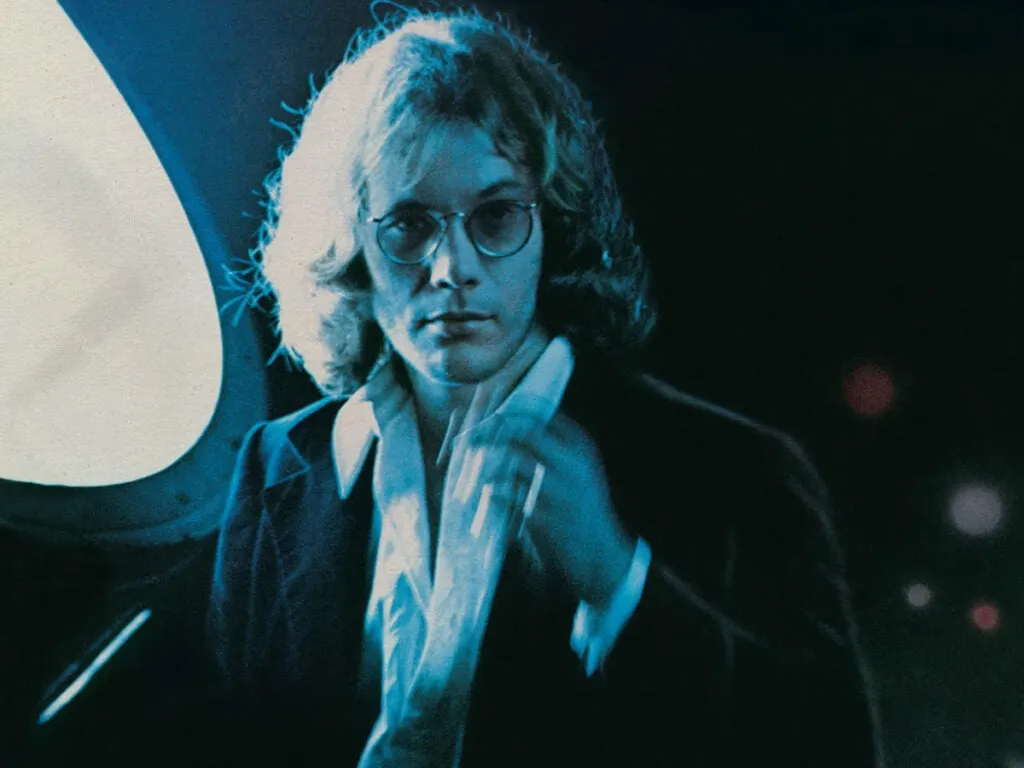
Following his acclaimed 1978 breakthrough with "Excitable Boy," Warren Zevon attempted to sustain momentum with his 1980 release "Bad Luck Streak in Dancing School." The album represented a notable creative retreat at a turbulent point in his life, marked by marital separation and escalating substance dependency. Despite contributions from established musicians including Bruce Springsteen and Linda Ronstadt, the record failed to replicate either the artistic merit or commercial success of its predecessor.
Controversy emerged over album artwork by longtime designer Jimmy Wachtel, who paired graceful ballet dancers with an Uzi submachine gun on the reverse cover. Women's advocacy groups protested the imagery as suggestive of violence against female performers, prompting Wachtel to meet with record label leadership to defend his artistic intent and secure the cover's approval for release. The resulting dispute generated attention but failed to provide any commercial lift to an album already struggling with poor reception.
In short
- Warren Zevon's 1980 album featured controversial back-cover artwork combining ballet dancers with a submachine gun
- Women's advocacy groups objected to the imagery; designer Wachtel successfully defended the cover to the record label
- The publicity failed to reverse poor commercial performance of an already artistically disappointing follow-up to Zevon's 1978 breakthrough
Steelman: both sides, in good faith
The strongest fair case each way — we don't pick a winner.
The case for
Women's advocacy groups raised legitimate concerns that the visual juxtaposition of female dancers with a submachine gun risked normalising or trivialising violence against women, particularly at a time when such violence was a pressing social issue. Their argument rested on the belief that major cultural figures bear some responsibility for imagery that enters public consciousness, and that using one's voice to challenge potentially harmful representation is itself a form of protected expression worthy of serious consideration.
The case against
The designer and his defenders maintained that artistic merit lies partly in uncomfortable juxtaposition and symbolic complexity that provokes reflection rather than literal interpretation. They argued that pairing grace with destructive force could explore profound themes about human contradiction and vulnerability without necessarily advocating violence, and that censoring artwork based on surface-level appearance rather than demonstrated intent sets a concerning precedent that restricts legitimate creative expression.
Explained simply
Warren Zevon was an American singer-songwriter whose 1978 album Excitable Boy brought him wide attention. His next album, Bad Luck Streak in Dancing School, came out in 1980, during a difficult period in his personal life.
The sleeve was designed by Jimmy Wachtel, who had worked with Zevon before. Its back cover placed ballet dancers alongside an Uzi, a type of submachine gun.
Women’s advocacy groups objected, saying the image linked female performers with violence. The dispute drew attention to the album’s artwork, while the record itself did not match the success of Zevon’s earlier release.