Entertainment news and discussion on TalkFuse.
The “very worst” genre of music, according to Clint Eastwood: “I don’t see any value to that”
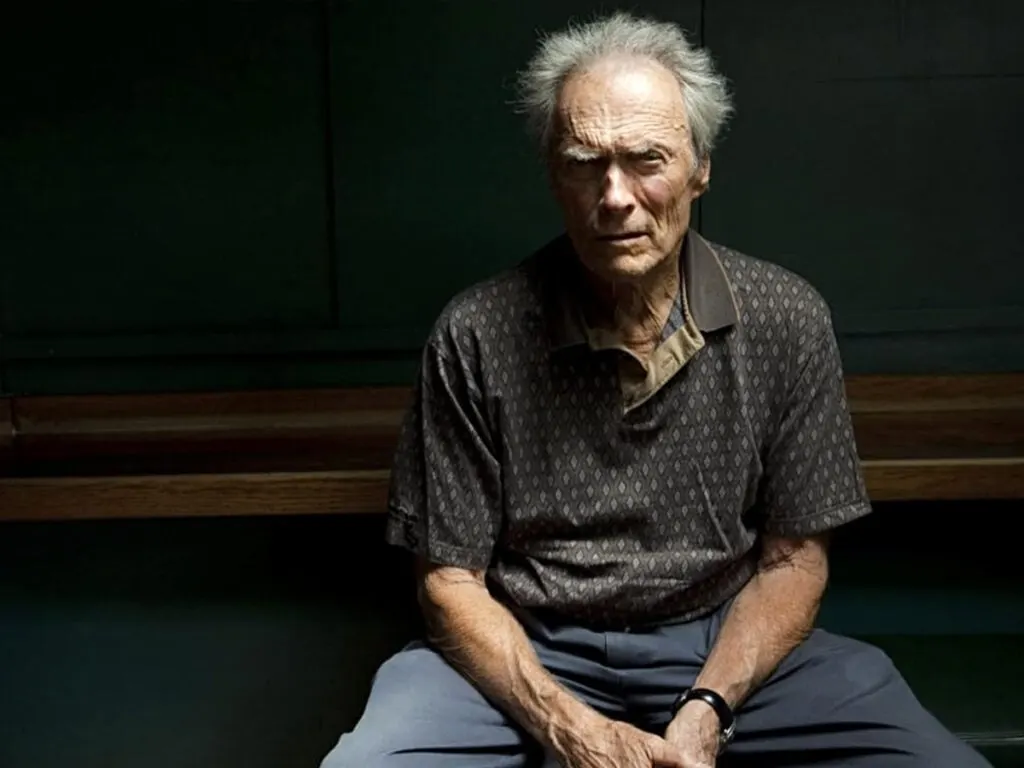
Clint Eastwood's musical tastes largely reflect his upbringing, favouring jazz, swing, country and classic pop from artists such as Frank Sinatra, Duke Ellington and Ella Fitzgerald. He also attempted a country music recording career himself, releasing cowboy-themed songs and singles in a style consistent with the era he grew up in.
Asked about gangsta rap in the early 1990s, Eastwood dismissed the genre, saying he saw "no value" in it beyond appealing to "the very worst in a crowd." When pressed on whether his own films, some of which faced criticism for glorifying vigilante justice, shared common ground with the genre's themes of anti-authority rebellion, he defended his work while acknowledging that law enforcement can be flawed, though he rejected the idea that it was to blame for society's problems.
In short
- Clint Eastwood named gangsta rap as his least favourite music genre.
- He said it appeals to "the very worst in a crowd."
- He defended his films against comparisons to the genre's themes.
Steelman: both sides, in good faith
The strongest fair case each way — we don't pick a winner.
The case for
Critics of gangsta rap argue that the genre's explicit celebration of violence, drug dealing, and criminality risks normalising destructive behaviour and appeals to harmful impulses rather than elevating discourse. Whilst acknowledging that the genre reflects real community experiences, they contend that art which glorifies rather than critiques these harms contributes to broader social damage and lacks constructive value, particularly given the genre's influence on young audiences.
The case against
Supporters of gangsta rap argue it represents vital artistic expression documenting the lived experiences of marginalised communities facing systemic inequality and police brutality. The genre offers social commentary with significant cultural and artistic merit, deserving recognition as legitimate art. Eastwood's dismissal appears inconsistent given that his own films extensively explore vigilantism and anti-authority violence, suggesting his criticism reflects generational bias rather than principled aesthetic judgment.
Explained simply
Clint Eastwood is an American actor and film-maker whose career spans Westerns, crime films and dramas. He also has a long-standing interest in music, especially jazz, swing and country, styles that were popular during his upbringing; he recorded country songs himself.
Gangsta rap emerged in the United States in the 1980s and became prominent in the early 1990s, often depicting street life, violence and conflict with authority. Eastwood’s remarks about the genre drew attention partly because some of his films have also been criticised for portraying vigilante justice, raising questions about how popular culture represents authority and violence.