Culture news and discussion on TalkFuse.
French trans phenom Julie Tétart looks WNBA-ready — so why hasn’t the ‘inclusive’ league called?
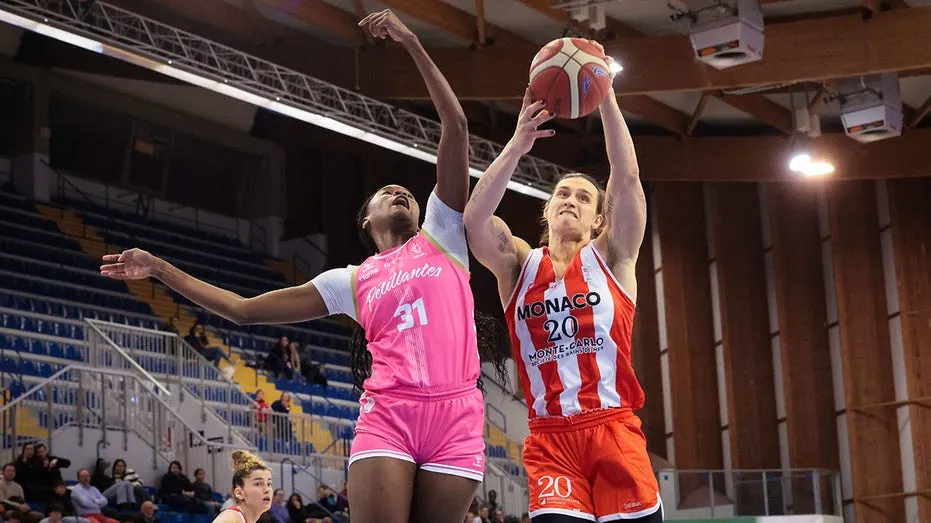
An opinion piece from Fox News's OutKick criticises the WNBA for not recruiting Julie Tétart, a French transgender basketball player, despite the league's stated commitment to inclusivity. The article frames this as evidence of inconsistency, arguing that a player of Tétart's reported calibre would ordinarily attract interest from a professional women's league that promotes itself as open to transgender athletes.
Tétart, who stands 6'3", has been playing for a club side in Monaco during the 2025-26 season, where the article says she has dominated in France's second-tier women's basketball division through strong scoring and rebounding. The piece situates her case within a broader ongoing debate in American sports media over transgender participation in women's competitions, referencing recent related controversies involving WNBA players and coaches.
In short
- Article questions why WNBA hasn't recruited trans player Julie Tétart.
- Tétart, 6'3", has dominated French second-tier women's basketball in Monaco.
- Piece frames this as WNBA inconsistency on inclusivity claims.
Steelman: both sides, in good faith
The strongest fair case each way — we don't pick a winner.
The case for
The WNBA has made public commitments to inclusivity and welcomes transgender athletes, yet a transgender player of Tétart's reported standard—dominating in European competition and standing 6'3"—remains unrecruited by the league. This disconnect between stated principle and demonstrated practice raises legitimate questions about whether the WNBA's inclusivity commitment extends to genuine recruitment efforts or functions primarily as public relations.
The case against
Professional basketball recruitment involves far more than statistical performance in one league's context, including scouting assessment, salary-cap considerations, roster fit, visa and employment factors, and the complexities of implementing inclusivity policies fairly within competitive sport. The absence of recruitment interest need not signal hypocrisy; it may reflect genuine practical constraints, legitimate ongoing uncertainty about balancing inclusivity with competitive fairness, or professional scouts' assessment that her profile does not meet WNBA needs.
Explained simply
The WNBA is the top professional women’s basketball league in the United States, while France’s second-tier competition sits below the country’s leading league. Julie Tétart is a French transgender player who, according to the report, is playing for a club in Monaco and has put up strong scoring and rebounding figures.
The WNBA has publicly discussed inclusion, while transgender participation in women’s sport remains a subject of debate in the United States and elsewhere. Tétart’s case raises questions about how a league’s stated values relate to recruitment and player eligibility, though the report does not establish why the WNBA has not recruited her.
Art Basketball Culture Sport World