Business news and discussion on TalkFuse.
This Game Costs 200 Dollars is a game that really does cost $200, doesn’t look very good, and almost made its dev $1.3 million
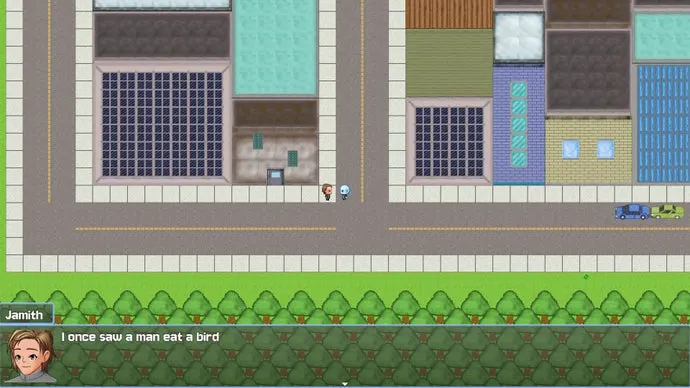
An 18-year-old New Hampshire developer, Michael Major, released a deliberately low-effort Steam game called This Game Costs 200 Dollars, priced at the platform's maximum allowed price as a joke. Months later he discovered it had generated $1.3 million (£1m) in sales, only to find that almost all of the purchases were being refunded, mostly by buyers in China, leaving him with a fraction of the windfall.
The game, a sequel to an earlier title called This Game Costs 10 Dollars, is an unpolished, asset-flipped experience with little actual content. Of its 6,717 sales, 6,707 were refunded, with 6,705 of those coming from China, where buyers appeared to purchase and instantly return the game without opening it, possibly to farm some form of points or ranking. Major, who has heard of similar tactics being linked to money laundering, has no definitive explanation and is left with just over $2,000, assuming no further refunds occur.
In short
- Teen dev priced a joke game at Steam's $200 maximum
- It briefly earned $1.3 million before mass refunds from China
- He's left with roughly $2,000 and no clear explanation why
Steelman: both sides, in good faith
The strongest fair case each way — we don't pick a winner.
The case for
This incident exposes a serious vulnerability in digital platforms' refund systems that could facilitate fraud or money laundering schemes. The coordinated spike in purchases and near-instant refunds from a single region for an explicitly low-effort joke product suggests systematic exploitation. Platforms have a responsibility to implement stronger safeguards, such as enhanced payment verification, region-based fraud detection, or content policies restricting obviously speculative submissions designed to test system boundaries.
The case against
Players exercised their legitimate right to refund unwanted purchases, and the refund system functioned precisely as designed. Implementing region-based restrictions would unfairly penalise legitimate international customers, whilst limiting what developers can charge infringes on creative freedom. The developer engaged in no wrongdoing—pricing a joke game highly is entirely permitted—and responding to one unusual incident with restrictive policies risks harming the broader ecosystem of genuine users and creators.
Explained simply
Steam is an online shop where people buy and download computer games. Developers set prices for their games, and Steam handles sales and refunds; a refund means a buyer gets their money back after returning a purchase.
Michael Major is an independent developer from New Hampshire. His game followed an earlier joke title, and its unusually high price was part of the joke. The reported sales total counted purchases before refunds, so it did not show how much money he would ultimately keep.
Most of the reported purchases were refunded, many by buyers in China, apparently without the game being opened. The reason for that pattern is unclear, and Major has said he cannot explain it for certain. The case shows how a large sales figure can differ sharply from a developer’s actual earnings.