Entertainment news and discussion on TalkFuse.
Who is on the cover of the Red Hot Chili Peppers’ 1989 album ‘Mother’s Milk’?
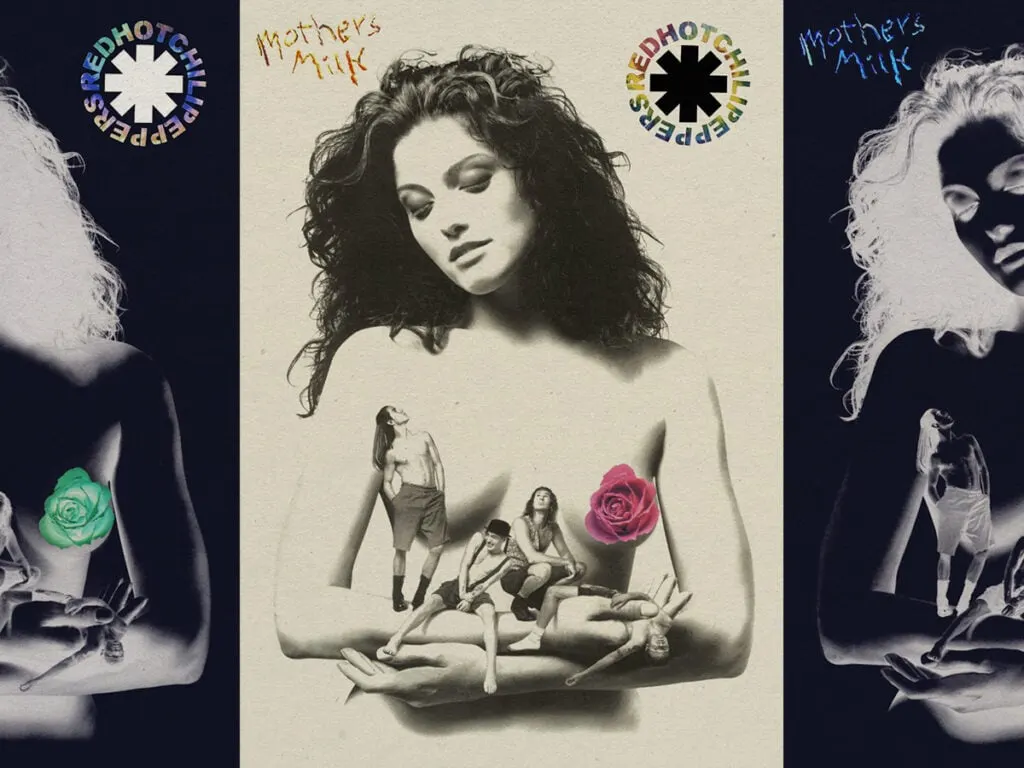
The cover of the Red Hot Chili Peppers' 1989 album "Mother's Milk" features model Dawn Alane holding miniature depictions of the four band members, but the artwork caused problems for the band both at the time of release and years later. Alane had taken part in the photoshoot without being told she would appear on the cover, meaning she was never properly compensated, and the album's suggestive imagery led some conservative US retailers to refuse to display it, likely limiting its early chart performance.
Alane successfully sued the band and their label, EMI, winning a $50,000 payout, a substantial sum given the Chili Peppers' relatively modest fame at the time. However, once the band's popularity soared in the 1990s and the album went platinum, she ultimately lost out financially in the long run; she has since become a sculptor and mixed media artist in Los Angeles. Separately, actress Ione Skye revealed in January 2025 that she had originally been chosen for the cover concept, having been in a relationship with singer Anthony Kiedis, but was replaced after EMI deemed her, then 18, "a little young" for the image.
In short
- Dawn Alane appeared uncredited on the Mother's Milk album cover.
- She sued the band and EMI, winning a $50,000 settlement.
- Actress Ione Skye was the original, unused cover model.
Explained simply
The Red Hot Chili Peppers are an American rock band, and Mother’s Milk was their fourth studio album, released in 1989. Its cover shows model Dawn Alane holding small figures representing the four musicians.
The image was made for a commercial album cover, but Alane says she had not been told that was its purpose. The band and its record label, EMI, were involved in a legal case that ended with Alane receiving compensation; some US shops also declined to display the suggestive artwork.
The cover concept had first been discussed with actress Ione Skye, who was then in a relationship with singer Anthony Kiedis. The story matters because it connects the album’s artwork with questions about consent, payment and how a cover image can affect a record’s sale and history.