Entertainment news and discussion on TalkFuse.
The 1969 Beatles album even George Harrison didn’t understand: “I’m at a loss”
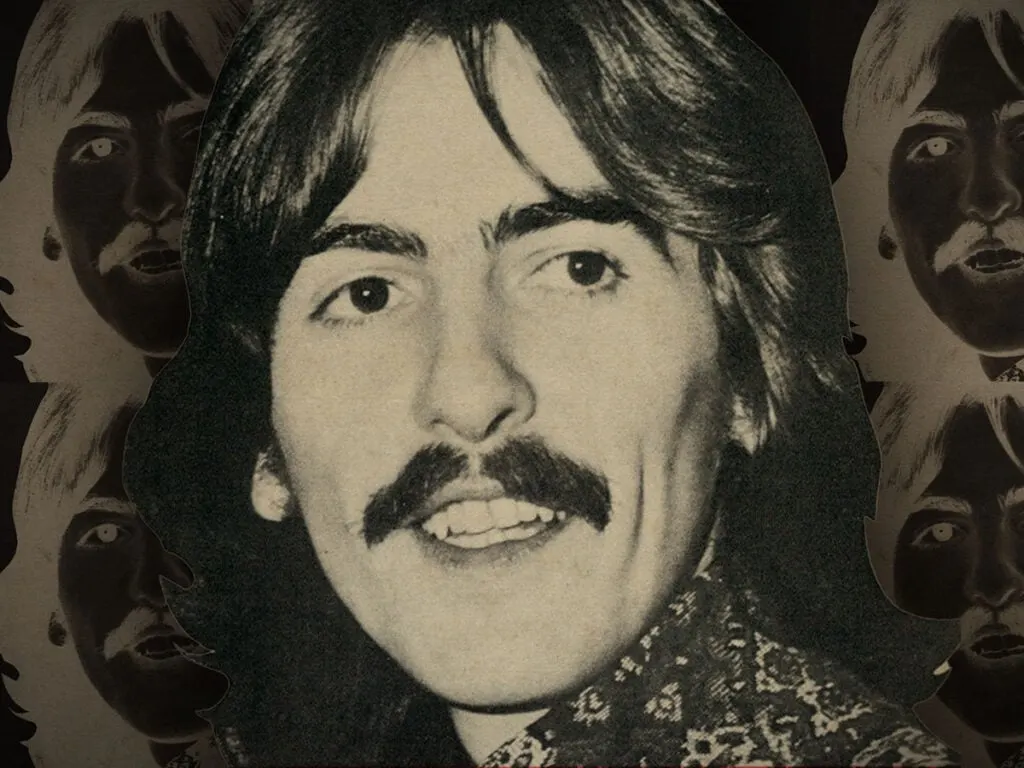
An article for Far Out Magazine revisits the making of The Beatles' 1969 album Abbey Road, highlighting that George Harrison later admitted he did not fully understand the record even as it was hailed as a masterpiece almost immediately after release. This is notable because Abbey Road is now regarded as one of the greatest albums ever made, yet the band member who contributed two of its standout songs found the finished work strangely difficult to relate to, reflecting the internal disunity present as the group approached its end.
The piece traces the album's creation to the aftermath of the troubled Get Back sessions, after which the band chose to reunite for one final, cohesive statement rather than end on The White Album. Harrison contributed the widely praised tracks "Something" and "Here Comes the Sun", alongside standout moments such as the closing medley featuring songs like "Polythene Pam" and "She Came In Through the Bathroom Window". Despite this, Harrison described feeling "at a loss" with the album, saying it felt "abstract" and did not seem like the band's own work, even though it would go on to become one of the most celebrated releases in music history.
In short
- Harrison said he felt "at a loss" making Abbey Road, despite its acclaim.
- The album followed the troubled Get Back sessions and internal band tension.
- Harrison wrote "Something" and "Here Comes the Sun" for the record.
Explained simply
The Beatles were a British band whose four members increasingly pursued their own ideas as the group approached its end. After difficult recording sessions for Get Back, they returned to the studio to make Abbey Road, released in 1969.
George Harrison was the band’s guitarist and songwriter. He wrote “Something” and “Here Comes the Sun” for the album, which also includes a sequence of shorter songs joined together in a medley near the end.
Abbey Road was quickly praised and later became one of the Beatles’ most celebrated records. Harrison’s reported difficulty relating to it offers a glimpse of how differently a band member could experience an album made amid growing tensions.