World news and discussion on TalkFuse.
California radio DJ accused of bilking fans out of more than $100k raised off GoFundMe for medical bills
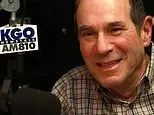
A California radio presenter has been accused of misusing more than $100,000 (£79,000) raised by fans through a GoFundMe campaign intended to cover his medical bills. The allegations raise questions about accountability and oversight in crowdfunding, where donors typically have little recourse once money has been handed over for a stated cause.
Specific details of the case, including the presenter's identity, the nature of the alleged misuse and any legal proceedings, were not available in the source material provided. The case highlights broader concerns about transparency on platforms such as GoFundMe, which rely largely on trust between fundraisers and donors rather than formal financial safeguards.
In short
- California radio DJ accused of misusing GoFundMe medical funds
- More than $100,000 allegedly taken from fan donations
- Case raises questions over crowdfunding platform accountability
Steelman: both sides, in good faith
The strongest fair case each way — we don't pick a winner.
The case for
Crowdfunding platforms must implement stronger verification and oversight mechanisms. When donors contribute money for a stated charitable purpose, they deserve assurance their contributions serve that purpose. The absence of accountability allows fraudsters to exploit generous people's compassion with minimal consequences. Platforms profiting from transactions have a moral and practical obligation to implement verification systems that protect donors whilst enabling legitimate fundraising.
The case against
Crowdfunding's fundamental strength—enabling rapid community support without institutional gatekeeping—would be undermined by heavy verification requirements. Defining appropriate spending is inherently subjective; medical situations involve overlapping costs that defy simple categorisation. Excessive regulation creates barriers that harm desperate individuals who need quick access to funds, whilst sophisticated fraudsters find workarounds anyway. The solution lies in platform transparency and community awareness rather than restrictive systems that reduce overall charitable participation.
Explained simply
Crowdfunding lets people raise money online for a stated purpose, such as medical care. GoFundMe hosts these appeals, while individual donors decide whether to contribute based on the information provided by the fundraiser.
Donations are generally made voluntarily, and donors may have limited ways to recover money if it is used differently from what they expected. Questions about how funds are handled matter both to people considering a donation and to the wider trust on which crowdfunding appeals depend.