New releases, music videos and album news — indie, rap, rock and pop. Always covering Ren, Chris Webby, Sam Tompkins, bbno$, CHINCHILLA, Muse, Yungblud and more.
The most undying sound of the CBGB in the 1970s: “So commonly cited as an influence”
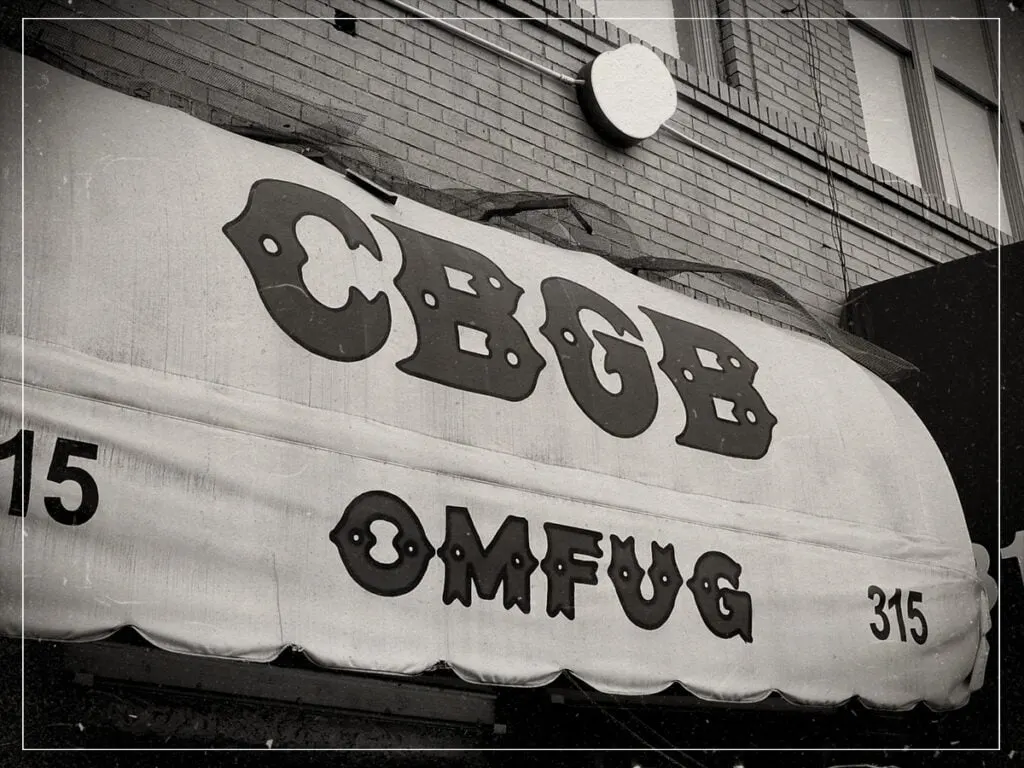
This retrospective piece from Far Out Magazine argues that Television, and specifically their 1977 debut album "Marquee Moon", remain the definitive sound of New York's legendary CBGB club during the 1970s. The venue, opened by Hilly and Karen Kristal at 315 Bowery in Manhattan in December 1973, was originally intended for country, bluegrass and blues acts, yet by early 1974 it had become the crucible for a new wave of music that would come to be known as punk rock. The article contends that while contemporaries such as the Ramones, Blondie, Talking Heads and the Patti Smith Group also shaped the club's legacy, none captured its murky, neon-lit atmosphere as vividly as Television did.
The piece explores how Television's sound defies easy categorisation, blending elements of glam rock, art rock, jazz and the avant-garde, with influences ranging from Albert Ayler and Bob Dylan to the Beat poets and French Symbolists. Guitarists Tom Verlaine and Richard Lloyd are singled out for their intricate, complementary interplay, which the author suggests gives the album a "crooked perfection" nearly 50 years after its release. The article closes by noting the album's enduring influence on later acts including Joy Division, The Cure, Primal Scream and Kurt Vile.
In short
- Television's "Marquee Moon" is hailed as CBGB's defining 1970s sound
- CBGB opened in 1973 for country/blues, became punk's birthplace
- Album's influence traced through Joy Division, The Cure and others
Steelman: both sides, in good faith
The strongest fair case each way — we don't pick a winner.
The case for
"Marquee Moon" represents the finest artistic achievement to emerge from CBGB's era, its uncompromising fusion of avant-garde, jazz and art-rock influences capturing something essential about the venue's commitment to artistic innovation over commercial calculation. The guitarists' intricate interplay and the album's atmospheric depth created something genuinely influential and enduring, validating its claim as the sound that best articulated the club's true artistic essence.
The case against
Ascribing "definitive" status to any single band misrepresents CBGB's historical significance, which lay in its role as a plural space where multiple revolutionary movements coexisted and shaped each other. The Ramones, Blondie, Talking Heads, and Patti Smith Group each embodied vital aspects—punk's raw urgency, new wave's populist reach, art-rock's experimental vision, and Beat poetry's literary sensibility—and collectively they provide a truer account of the venue's legacy than privileging one act alone.
Explained simply
CBGB was a music club on New York’s Bowery, opened by Hilly and Karen Kristal in 1973. Though its name referred to country, bluegrass and blues, it soon became a gathering place for bands associated with the city’s emerging punk and new wave scenes.
Television were part of that scene, alongside acts such as the Ramones, Blondie, Talking Heads and Patti Smith’s group. Their debut album, Marquee Moon, featured the interlocking guitar work of Tom Verlaine and Richard Lloyd and drew on a mix of rock and other musical influences.
The album has since been cited as an influence by later musicians, including Joy Division, the Cure, Primal Scream and Kurt Vile. Its place in CBGB’s history reflects the range of sounds that developed around the club.