Did Fauci properly take the Fifth? The Senate could put that claim to the test
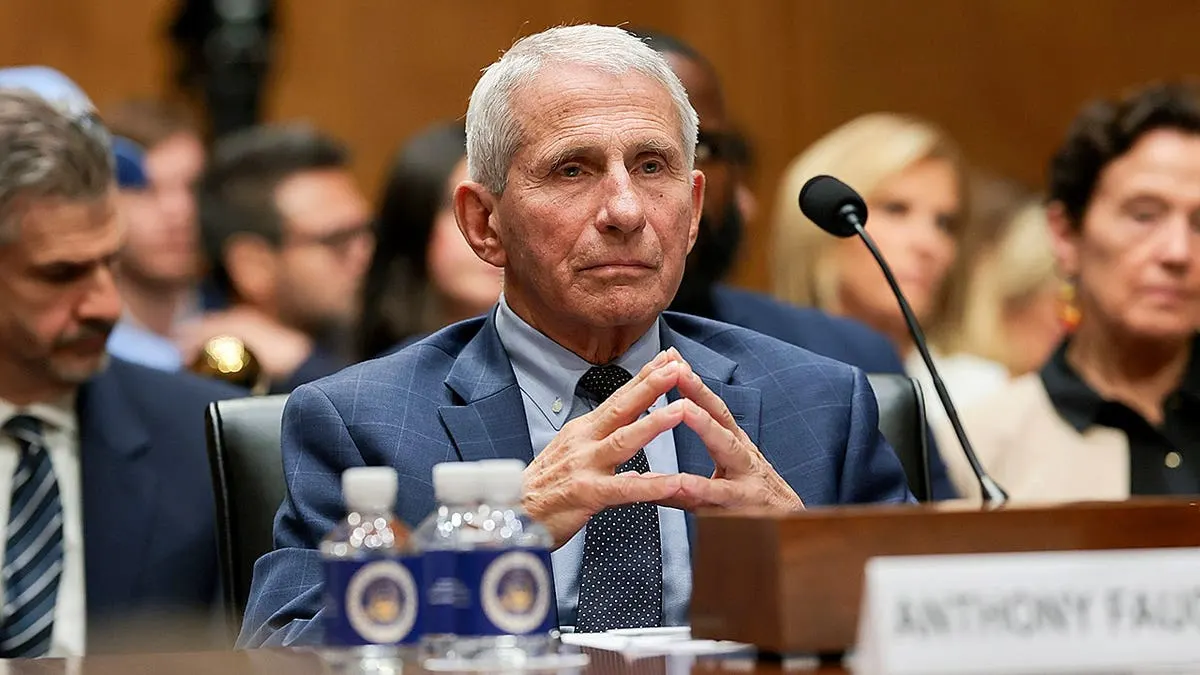
This Fox News opinion piece argues that Dr Anthony Fauci, the former face of America's pandemic response, gave a weak performance before the Senate Homeland Security Committee after invoking his Fifth Amendment right against self-incrimination 111 times to avoid answering questions. The author contends this matters because it raises questions about whether Fauci's repeated use of the privilege was legally proper, and what recourse, if any, the Senate has if it was not.
The piece notes that Fauci opened with a brief statement accusing committee chair Senator Rand Paul of an "unhinged obsession" with him, before repeatedly declining to answer questions on Fifth Amendment grounds. The author, writing from a critical opinion perspective, asserts that several factors suggest the invocation was improper, though the article is a commentary piece rather than a straight news report and does not represent a neutral account of the hearing.
In short
- Fauci cited the Fifth Amendment 111 times before a Senate committee
- Fox opinion piece questions whether the invocation was legally valid
- Author suggests Senate could challenge or test Fauci's claim
Steelman: both sides, in good faith
The strongest fair case each way — we don't pick a winner.
The case for
The Fifth Amendment protects every citizen from self-incrimination, and this protection does not require one to have actually committed a crime—only a reasonable belief that answers could be incriminating. Given the intensely politicised investigations into the pandemic response and potential legal exposure, Fauci had legitimate grounds to protect himself. His legal team would reasonably advise invoking the Fifth in a hostile proceeding, and exercising a constitutional right should not itself be taken as evidence of wrongdoing.
The case against
The extraordinary number of Fifth Amendment invocations—111 times—raises legitimate questions about whether the privilege is being used to obstruct Congressional oversight rather than protect genuine legal jeopardy. When public officials invoke the Fifth whilst simultaneously maintaining they did nothing wrong, this creates an apparent contradiction: if one's actions were lawful, truthful answers should not incriminate. The Senate has legitimate authority to oversee federal officials' pandemic decisions, and repeatedly hiding behind the Fifth whilst claiming vindication may represent an improper use of the constitutional privilege to avoid accountability.
Explained simply
Anthony Fauci is a US doctor who led the National Institute of Allergy and Infectious Diseases for many years and became a prominent public figure during the COVID-19 pandemic. The Senate Homeland Security Committee examines government work and can hold hearings where officials are questioned.
The Fifth Amendment to the US Constitution protects people from being compelled to give answers that could incriminate them in a criminal case. Whether someone may invoke that protection can depend on the question and circumstances; the Senate’s role and options in a dispute over its use are matters of law and procedure.
The issue matters because it concerns how Congress questions witnesses and how constitutional protections apply in those hearings. Senator Rand Paul, who chaired the committee, and Fauci are central figures in the account; the article is opinion commentary, so its claims about the hearing and the legal basis for invoking the Fifth should be distinguished from established findings.