Keeping yesterday’s computers ticking takes more than nostalgia
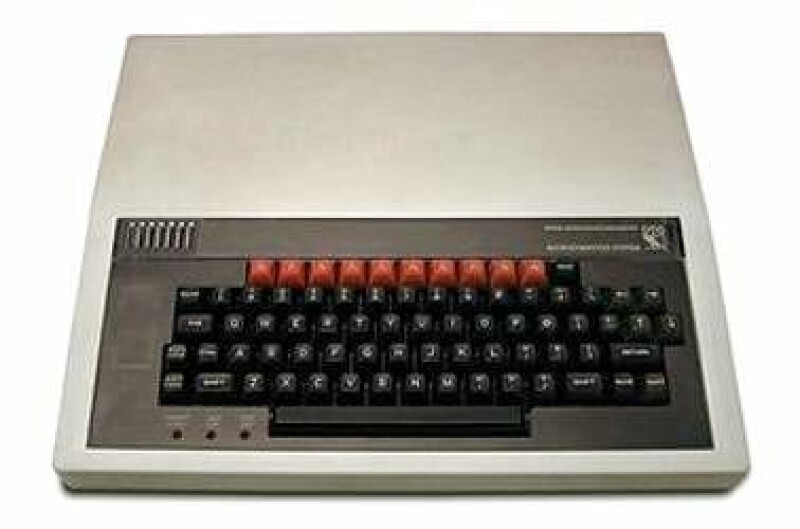
Restoring and repairing vintage computers involves more than a knack for nostalgia and a soldering iron, according to Australian hobbyist Earie Salmon of the YouTube channel Earie's 8-Bit Workshop. Interest in preserving decades-old machines has grown, but Salmon explains that the hobby brings distinct challenges not faced when fixing modern electronics, from sourcing obsolete components to deciphering undocumented schematics. His experience highlights how the retro-computing revival relies on a niche but resourceful community filling gaps left by manufacturers long out of business.
Salmon's fascination began in the early 1980s out of envy for his brother's ZX81 and Commodore VIC 20, and has since grown into a collection of 35 to 40 systems, alongside projects building replicas such as a TI-99/22 and an Acorn Atom clone. He warns that the biggest obstacle is finding parts, particularly custom chips like ULAs that have not been manufactured since the original computers went out of production, sometimes forcing enthusiasts to salvage components from "dead" machines. Counterfeit chips are another persistent hazard, with relabelled parts passing basic tests but failing to work correctly, while documentation for some Japanese computers, such as NEC or MSX models, was never published in English and remains difficult to source.
- Vintage computer restoration demands far more than soldering skills alone
- Sourcing obsolete or custom chips, like ULAs, is the biggest challenge
- Counterfeit components and untranslated Japanese documentation add further hurdles
New here? Start with this
Interest in restoring old computers, from 1980s home micros to early games machines, has grown as a hobby in recent years. Enthusiasts don't just refurbish these machines for nostalgia's sake; they also have to solve technical problems that don't crop up with modern electronics, since the manufacturers stopped making the original parts decades ago and often left little documentation behind.
The story centres on Earie Salmon, an Australian hobbyist who runs the YouTube channel Earie's 8-Bit Workshop. Salmon got into vintage computing as a child in the early 1980s and now owns a large personal collection, as well as building working replicas of old machines from scratch.
The wider issue is that keeping this equipment running depends on a small community of hobbyists filling gaps left by long-defunct manufacturers, including tracking down obsolete or custom chips, spotting counterfeit components, and translating undocumented or foreign-language manuals. This matters because, without such efforts, working examples of early computing history risk being lost as original parts and knowledge become scarcer.