Technology news and discussion on TalkFuse.
‘The Mummy’ Poster Ads Banned From London Underground After Advertising Watchdog Cites ‘Distressing’ Imagery
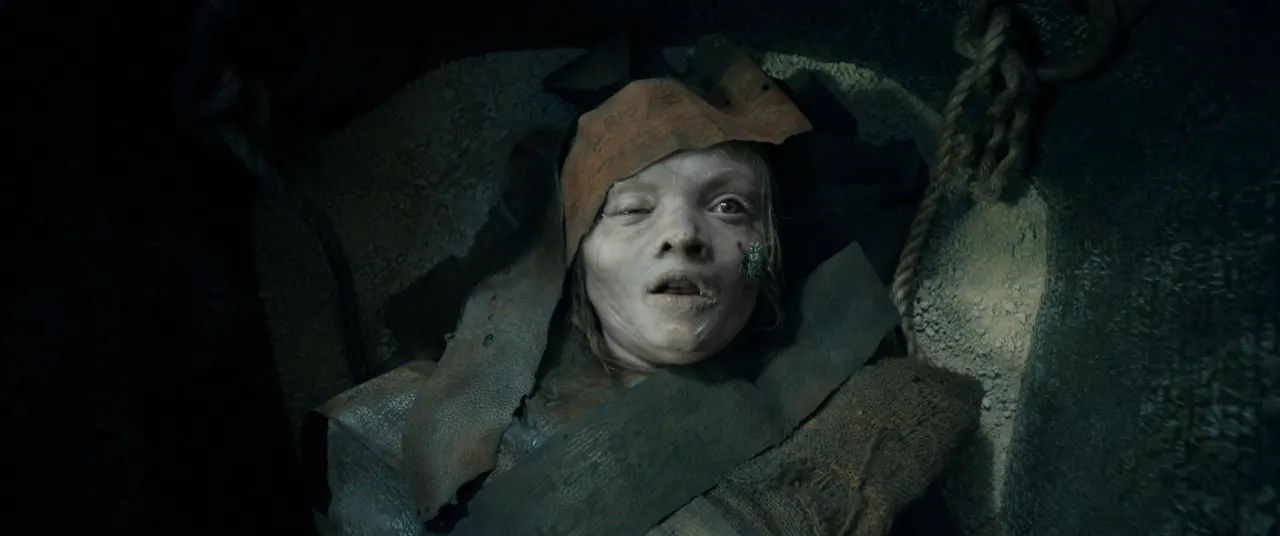
The UK's Advertising Standards Authority (ASA) has banned outdoor poster ads for "Lee Cronin's The Mummy" from the London Underground and other outdoor sites after ruling they breached its code by presenting imagery that gave "a realistic impression of a dead child." The regulator upheld one of four complaint issues investigated following 30 complaints about the Warner Bros campaign, while clearing companion TV and streaming adverts for the same film, which ran with a post-7:30pm scheduling restriction.
The posters showed a close-up of a mummified female figure with ashen skin, cracked lips and a swollen eye, wrapped in shroud-like material with hieroglyphic symbols; the ASA found this likely to distress young children, particularly as the ads appeared in untargeted locations including near a nursery. Warner Bros had argued the poster's neutral expression and lack of restraints were deliberate choices to reduce distress, and cited its policy of keeping horror titles 100 metres from schools, though this did not extend to nurseries. The ASA ordered the posters not to appear in their complained-of form and directed the studio to keep future frightening marketing away from places children would see it, while rejecting a separate complaint that the imagery trivialised child loss or global conflicts.
In short
- ASA bans "The Mummy" posters over "dead child" imagery on Tube ads
- Ruling followed 30 complaints; TV and streaming ads were cleared
- Warner Bros must keep future scary marketing away from young children
Steelman: both sides, in good faith
The strongest fair case each way — we don't pick a winner.
The case for
Child protection advocates rightly argue that untargeted public spaces near nurseries should not display imagery resembling dead bodies, particularly given young children's inability to consent to or process such content. The ASA's core function is protecting vulnerable groups from unsolicited harm, and restricting horror marketing in child-frequented locations aligns with that duty even if the imagery is technically fictional.
The case against
Defenders of the advertising campaign note that marketing for an age-certified film should be permissible in public adult spaces, and that studios deliberately employed restraint—choosing neutral expressions and no gore to reduce distress. Conflating fictional mummification with real child death misses a crucial distinction, and outdoor advertising necessarily reaches mixed audiences; some intensity matching the film's 15 certification should be defensible.
Explained simply
The Advertising Standards Authority (ASA) is the UK regulator that checks whether adverts follow its rules. Its code restricts advertising that could cause serious or widespread offence or distress, especially when children might see it.
Warner Bros’ film Lee Cronin’s The Mummy is a horror film, and its campaign included posters in public places as well as adverts on television and streaming services. Outdoor posters can reach people who have not chosen to watch horror content, including children passing through streets and transport stations.
The ruling reflects how the same film can be advertised differently depending on where and when people are likely to see an advert. It also shows why advertisers must consider nearby places used by children when choosing outdoor sites.
Cybersecurity Elections Politics Technology