Pakistan restricts international media reporting
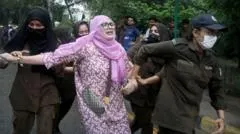
Pakistan's government has introduced new rules requiring foreign media organisations, including Pakistani nationals working for them, to obtain official permission before reporting outside the cities of Islamabad, Karachi and Lahore. Journalist groups and press freedom advocates have condemned the move as a severe curb on independent reporting, warning it gives authorities discretion over when and where international outlets can cover stories in a country that already ranks 153rd out of 180 on the World Press Freedom Index.
The rules, called the Foreign Media Facilitation Guidelines 2026 and issued on Sunday, require a No Objection Certificate (NOC) for any reporting trip beyond the three named cities, with no stated timeframe for approval; NOCs have previously taken months or gone unanswered. Critics, including Dawn editor Zaffar Abbas and lawyer Salhuddin Ahmed, argue the guidelines lack legal backing and threaten press freedom and freedom of movement, while the government insists they merely provide an administrative mechanism and are not a blanket restriction. The guidelines also allow accreditation to be revoked for vaguely defined "acts against ideology, sovereignty, security or public order," raising further concern among commentators.
In short
- Pakistan requires foreign media to get permits outside three main cities
- Journalists say NOCs can take months or go unanswered
- Critics call the rules legally baseless and a press freedom threat
Steelman: both sides, in good faith
The strongest fair case each way — we don't pick a winner.
The case for
Pakistan faces significant security challenges from terrorism and militant activity in certain regions, and coordinated safety measures with foreign journalists in sensitive areas reflect legitimate administrative concerns similar to those many democracies manage when working with international media. The guidelines allow full reporting access in major cities whilst enabling authorities to brief journalists on regional risks and facilitate safe coverage in higher-risk areas. The government characterises this as facilitation supporting both press freedom and journalist safety rather than censorship.
The case against
These guidelines represent government prior restraint on reporting—requiring state permission before journalists cover stories is fundamentally incompatible with press freedom principles. The absence of legal backing, indefinite approval timelines, and vaguely defined revocation criteria grant authorities near-absolute discretion to suppress reporting, whilst Pakistan's poor press freedom ranking and documented history of delayed or unanswered NOCs suggest this mechanism will follow established patterns of censoring critical coverage. The practical implementation indicates this is censorship dressed in administrative language.
Explained simply
Pakistan is a country in South Asia, and its government regulates how foreign news organisations operate there. International reporters, including Pakistani citizens employed by foreign outlets, have worked from major cities such as Islamabad, Karachi and Lahore while covering events across the country.
Foreign media often rely on local journalists and travel beyond big cities to report on politics, security and everyday life. Rules governing access and official accreditation can therefore affect which stories are covered and how quickly they reach audiences abroad.
Press freedom means journalists can report and publish without undue government control. Pakistan’s position on international press freedom rankings provides context for why changes to media rules attract attention from journalists and advocacy groups.