Entertainment news and discussion on TalkFuse.
How much did an album cost in the 1960s?
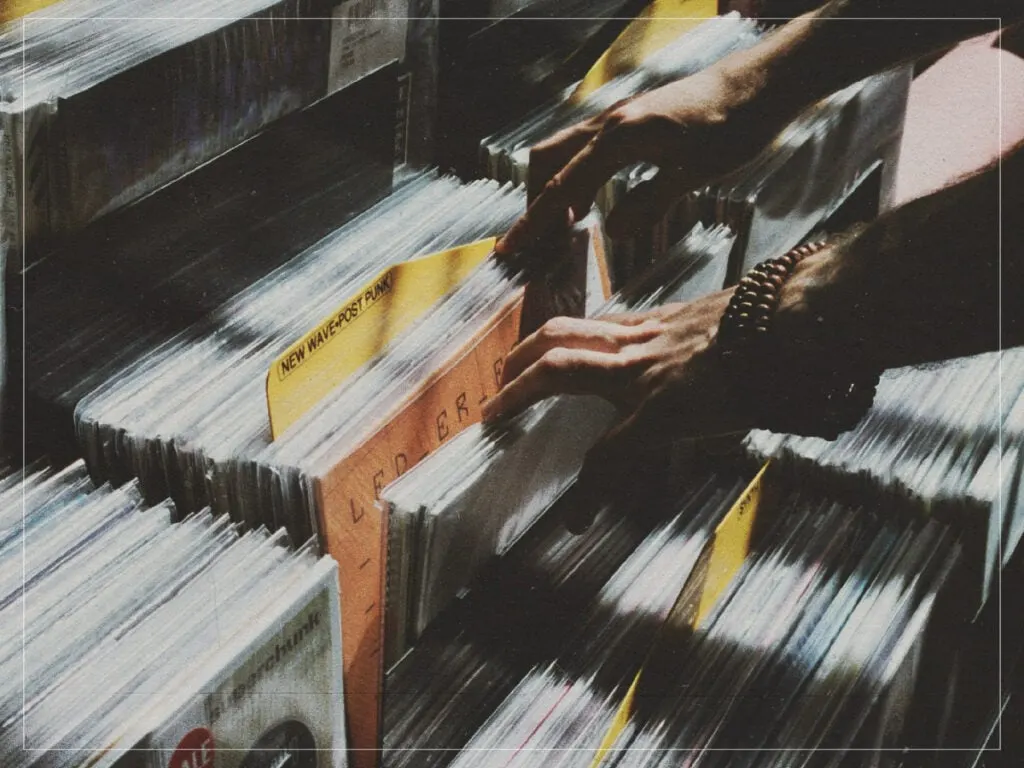
This piece traces how album and single prices evolved in Britain during the 1960s, using The Beatles' career to illustrate the shift from singles-driven pop to the album as rock's primary artistic format. At the decade's start, singles still dominated the charts, but as artists like Bob Dylan, The Beach Boys and The Beatles themselves pushed the creative boundaries of the LP, the album gradually became the era's defining musical statement, culminating in Sgt Pepper's Lonely Hearts Club Band in 1967.
In January 1963, The Beatles' single "Please Please Me" cost six shillings and eightpence (roughly 33p), about the price of two cinema tickets or a round of drinks. By contrast, Sgt Pepper's Lonely Hearts Club Band, released in May 1967, cost 32 shillings and sixpence (around £1.62) for either the mono or stereo version, priced no differently from any other LP despite its elaborate packaging, and represented roughly 10% of an average worker's weekly wage.
In short
- Beatles singles and albums show how 1960s music pricing evolved
- "Please Please Me" single cost about 33p in 1963
- Sgt Pepper LP cost around £1.62, 10% of weekly wages
Explained simply
At the start of the 1960s, British pop was built around the single: a short record with one main song, sold separately from an album. The Beatles’ early success came in this singles market, where a record could cost about as much as two cinema tickets.
An LP, or long-playing record, held many songs and was often seen as a collection of tracks rather than one complete artistic work. Artists including Bob Dylan, the Beach Boys and the Beatles helped change that, using albums to explore ideas across a whole record.
As albums became more ambitious, they also became a bigger purchase. By 1967, Sgt Pepper’s Lonely Hearts Club Band cost around a tenth of an average worker’s weekly pay, giving a sense of how much a new LP could mean to a household budget.