Entertainment news and discussion on TalkFuse.
Marvel Just Revealed Captain America’s Darkest Timeline
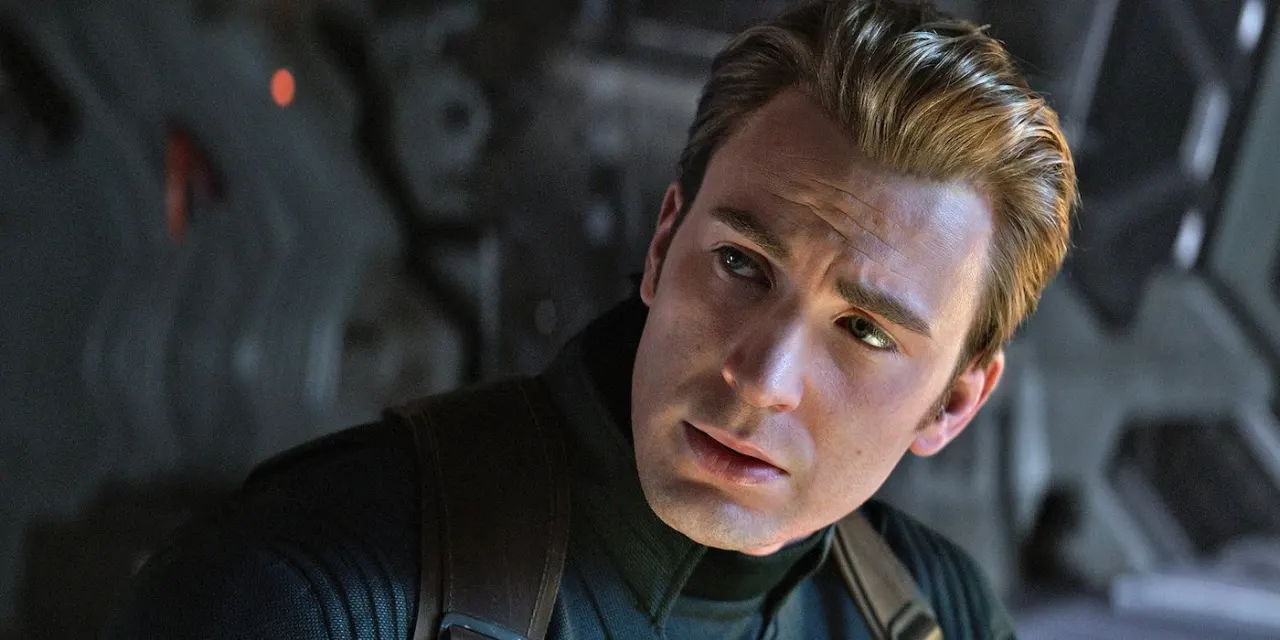
Marvel has published a new one-shot, "What If…? Captain America Was Revived in 2099?", which reimagines Steve Rogers waking up more than 150 years in the future to find America transformed into a corporate-controlled state. Rather than simply repeating the familiar "man out of time" trope, the story examines how democratic institutions could erode gradually through compromise and unchecked corporate power, making it a notably bleak addition to Marvel's alternate-timeline stories.
In this future, the corporation Alchemax Stark-Fujikawa has effectively taken over the US government after a 2010 Supreme Court ruling grants corporations political rights, eventually allowing its CEO to become president with no term limits. Sentinels patrol the streets, mutants are persecuted and sent to labour camps under an expanded Mutant Registration Act, and Spider-Man 2099 is a wanted fugitive resisting the regime. The twist comes when Rogers confronts the president, Alchemax CEO George Maxon, and discovers he is secretly the Red Skull, revealing that this dystopian America was deliberately engineered by Captain America's oldest enemy rather than arising by chance.
In short
- Marvel's new one-shot shows Captain America waking in a corporate-run 2099 America.
- Mutants are persecuted; Spider-Man 2099 is a fugitive resisting the regime.
- Twist: the corporate president is secretly the Red Skull, who engineered it all.
Steelman: both sides, in good faith
The strongest fair case each way — we don't pick a winner.
The case for
The story offers legitimate social commentary on how democratic erosion might occur through incremental legal and institutional changes rather than violent overthrow. By grounding the narrative in recognisable political mechanisms and having Captain America confront the outcome, the story invites reflection on institutional vulnerability. Science fiction traditionally explores political 'what-ifs' to illuminate present concerns, and this narrative serves that function thoughtfully.
The case against
The story presents corporate involvement in politics as inevitably dystopian without adequately exploring how democratic checks and balances might constrain power concentration. By attributing the outcome to a supervillain's deliberate engineering rather than structural incentives, it suggests malice rather than engaging with genuine policy disagreements about corporate participation in democracy. Such one-sided narratives, whilst compelling as fiction, risk functioning as partisan messaging rather than encouraging balanced reflection on complex economic and political questions.
Explained simply
Captain America is the superhero identity of Steve Rogers, a soldier from the Second World War who was revived in the modern era after being frozen in ice. Marvel’s “What If…?” stories explore alternate versions of its characters and history, asking how events might unfold under different circumstances.
The 2099 setting imagines a future where powerful corporations shape everyday life and superheroes face new threats. Alchemax is a major corporation in this world, while Spider-Man 2099 is a hero who opposes its power. The Red Skull, one of Captain America’s oldest enemies, has a long history of using political influence and violence to pursue his aims.
The story connects these characters to questions about corporate influence, democratic institutions and the treatment of mutants in the Marvel universe. Its alternate future offers a way to explore how familiar heroes might respond to a society built around control and persecution.