News, events and chat from Sheffield and South Yorkshire.
Child sex trafficker in court after Swiss arrest
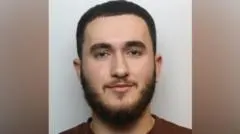
Sharam Muhamadi, a convicted child sex trafficker, has appeared before Sheffield Crown Court after being extradited from Switzerland, where he was arrested following his conviction in his absence. Muhamadi, 21, helped fellow Doncaster man Bawan Harwe contact girls as young as 12 on Snapchat, before the girls were groomed, drugged and raped; the case has drawn wider attention because of the men's immigration status and government pledges to strip sex offenders of refugee protections.
Muhamadi stopped attending his trial in June and was convicted in his absence of two counts of arranging or facilitating another person's travel for exploitation, prompting an arrest warrant; he has now been remanded in custody until his next hearing on 3 September. The court heard he and Harwe, both convenience store workers living in Hexthorpe, used fake names to lure seven girls aged 12 to 16 with drugs, e-cigarettes, money and taxi rides, with six of them subsequently given alcohol and drugs before being raped. Harwe, an Iraqi national, was jailed for 29 years in June, while Muhamadi, an Iranian national who arrived in the UK as an unaccompanied asylum seeker in 2021, had been granted leave to remain in 2022, due for review in 2027. Border Security Minister Alex Norris called the men's offending "monstrous" and said sex offenders would be denied refugee protections and deported as soon as possible.
In short
- Sharam Muhamadi extradited from Switzerland over Doncaster grooming case
- Convicted in absence of facilitating trafficking of girls aged 12-16
- Remanded in custody; next hearing set for 3 September
Steelman: both sides, in good faith
The strongest fair case each way — we don't pick a winner.
The case for
Those granted asylum have accepted a social contract requiring them to respect the laws and values of their host nation. Crimes as heinous as child sex trafficking represent a catastrophic breach of that contract and the trust the state placed in protecting them. When asylum seekers commit such grave offences against the most vulnerable—children—public safety and justice for victims must take precedence over continuing to extend legal protections to the perpetrators. Stripping refugee status and deporting serious offenders is a proportionate response that protects citizens and reinforces that asylum comes with genuine responsibilities.
The case against
Whilst these crimes are abhorrent and deserve severe punishment, dismantling refugee protections for serious criminals risks undermining the entire asylum system and breaching established international law principles including non-refoulement. Individual criminal acts, however terrible, should not become the basis for categorical policy changes affecting entire protected categories—doing so can create precedents exploited by authoritarian regimes. These offenders should face justice through the criminal courts; stripping protections amounts to additional punishment outside proper legal processes. The asylum system actually worked here by identifying and prosecuting them, rather than failing.
Explained simply
The case concerns the grooming and sexual exploitation of seven girls aged 12 to 16 in Doncaster. Sharam Muhamadi helped Bawan Harwe contact the girls online; prosecutors said they were lured with gifts and offers of rides, and some were given alcohol and drugs before being raped.
Harwe was jailed for 29 years after being convicted in June. Muhamadi, who came to the UK from Iran as an unaccompanied asylum seeker in 2021, was convicted in his absence after he stopped attending his trial. The case has also raised questions about how immigration and refugee rules apply to people convicted of serious sexual offences.