Culture news and discussion on TalkFuse.
The musician Paul McCartney and John Lennon crowned as the best of the 1970s: “Huge influence”
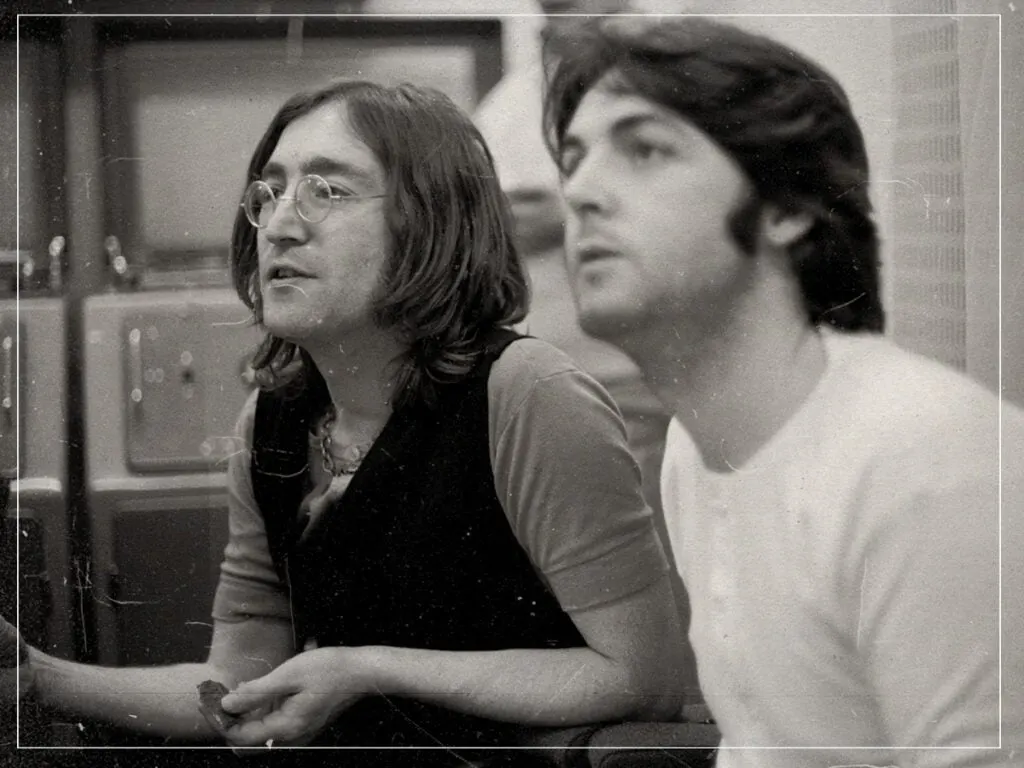
An article for Far Out Magazine revisits how influence shifted in music as The Beatles broke up in 1970, arguing that Paul McCartney and John Lennon remained central figures even as David Bowie emerged as the era's defining new voice. Rather than deliberately passing on a "torch," the two former Beatles pursued solo careers while Bowie forged ahead independently, pushing music into bolder, more experimental territory that captured the spirit of the 1970s. The piece frames this as a moment of mutual admiration rather than rivalry, highlighting how the decade's musical direction was shaped by both continuity from the ‘60s and new innovation.
The article draws on quotes showing reciprocal respect between the artists: Lennon praised Bowie's "vast repertoire of talent," while Bowie described feeling creative kinship with Lennon for taking avant-garde ideas mainstream. McCartney separately hailed Bowie as "a great star" with a "huge influence… on people all around the world," crediting him with shaping British musical history. The piece notes Bowie's breakthrough as Ziggy Stardust in 1972 as a key marker of this transition, concluding that while no formal handover occurred, Bowie effectively carried music forward into new territory that both former Beatles came to admire.
In short
- Article explores musical influence shift from The Beatles to David Bowie in the 1970s.
- Lennon, McCartney and Bowie expressed mutual admiration for each other's work.
- Bowie's 1972 Ziggy Stardust persona marked his emergence as a defining voice.
Steelman: both sides, in good faith
The strongest fair case each way — we don't pick a winner.
The case for
McCartney and Lennon deserved recognition as the 1970s' most significant figures because their unmatched legacy, continued high-quality output, and visible creative vitality meant they remained the decade's most influential musicians. Even innovative artists like Bowie explicitly cited them as inspirations and sources of creative kinship, and their status as the world's most celebrated musicians gave them disproportionate impact on the cultural and commercial landscape.
The case against
Whilst McCartney and Lennon remained important, Bowie was genuinely the decade's defining voice because he established the sonic and aesthetic vocabulary of 1970s rock—from glam to electronic innovation—rather than continuing established templates from the 1960s. His creative boldness in pushing music into unexplored territory gave him more profound influence over how the era actually sounded and evolved, even if the ex-Beatles enjoyed greater legacy status.
Explained simply
The Beatles, the British band formed in the 1960s, split up in 1970. Its members, including songwriters Paul McCartney and John Lennon, went on to make music separately. At the same time, David Bowie was developing a solo career that took popular music in new directions.
Bowie’s breakthrough as the flamboyant stage character Ziggy Stardust in 1972 helped establish him as a leading voice of the decade. Lennon and McCartney each expressed admiration for Bowie, while Bowie spoke of a creative connection with Lennon. Their careers show how 1970s music drew on the influence of the Beatles era while also embracing new styles.
Art Culture Entertainment Music