DARLINE GRAHAM: I’m South Carolina’s newest senator. This is who I am and what I believe
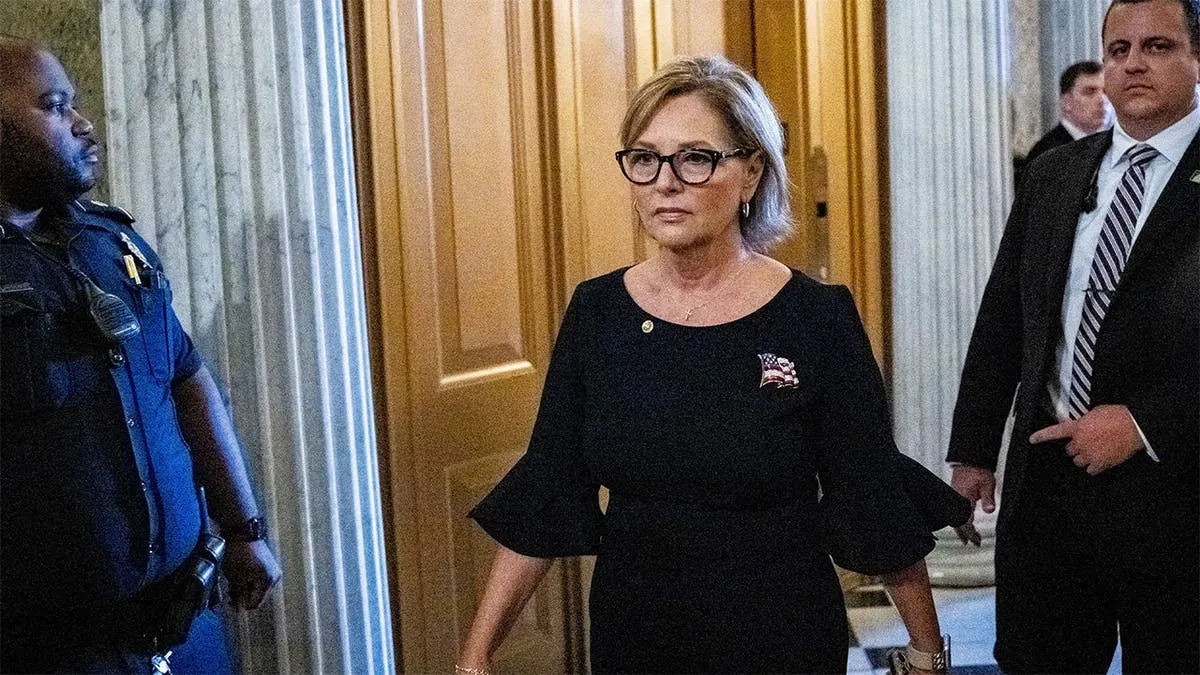
Darline Graham has written a personal opinion piece introducing herself after being named South Carolina's newest US senator, following the death of her brother, Senator Lindsey Graham. She explains that she never sought political office but agreed to serve after being personally asked by President Trump, and intends to use the role to support his agenda and represent South Carolina.
In the piece, Graham reflects on her working-class upbringing, describing growing up with her family living in a single room behind a bar and liquor store, with parents who worked constantly to make ends meet. She draws a direct comparison between herself and her late brother, framing her decision to enter politics as an extension of a shared "hard worker with a servant's heart" ethic rather than any long-held political ambition, and thanks supporters for condolences following Lindsey Graham's recent death.
In short
- Darline Graham named South Carolina's newest US senator after brother Lindsey Graham's death.
- She says Trump personally asked her to serve.
- Piece recounts a humble upbringing and vow to back Trump's agenda.
Steelman: both sides, in good faith
The strongest fair case each way — we don't pick a winner.
The case for
An advocate would argue that Darline Graham's humble working-class background and demonstrated values of hard work and service position her well to represent South Carolina's ordinary citizens, and that her willingness to accept a role she did not seek demonstrates genuine public spirit rather than political ambition. Whilst she lacks traditional political experience, such experience matters less than character and genuine commitment to constituents; moreover, working with a president of one's own party is a legitimate senatorial role, and the appointment process, though not electoral, is constitutionally sound and fills a vacancy with a qualified candidate of proven integrity.
The case against
Critics would argue that appointing a politically inexperienced relative to fill a Senate seat raises legitimate concerns about dynastic succession and nepotism, particularly when voters in South Carolina were denied the opportunity to choose their senator themselves. A senator's primary duty should be representing all constituents independently rather than aligning primarily with a president's agenda; even if well-intentioned, such framing suggests partisan loyalty over the impartial judgment expected of the office. Democratic legitimacy and electoral accountability matter fundamentally to the Senate's role as a body representing the people, not serving executive interests.
Explained simply
South Carolina sends two senators to the US Senate, where they represent the state and vote on national laws and other federal matters. A senator serves a six-year term, though a vacancy can be filled temporarily under state rules until an election is held.
Darline Graham says she had not sought political office before agreeing to serve. She describes a working-class upbringing and presents her decision as an extension of values she shared with her brother, Senator Lindsey Graham, who recently died.
She says President Donald Trump personally asked her to take the role and that she intends to support his agenda while representing South Carolina. Her account links her family background and her view of public service to the responsibilities she says she has accepted.
Geopolitics Government Politics World