Entertainment news and discussion on TalkFuse.
Xbox’s devastating July was inevitable
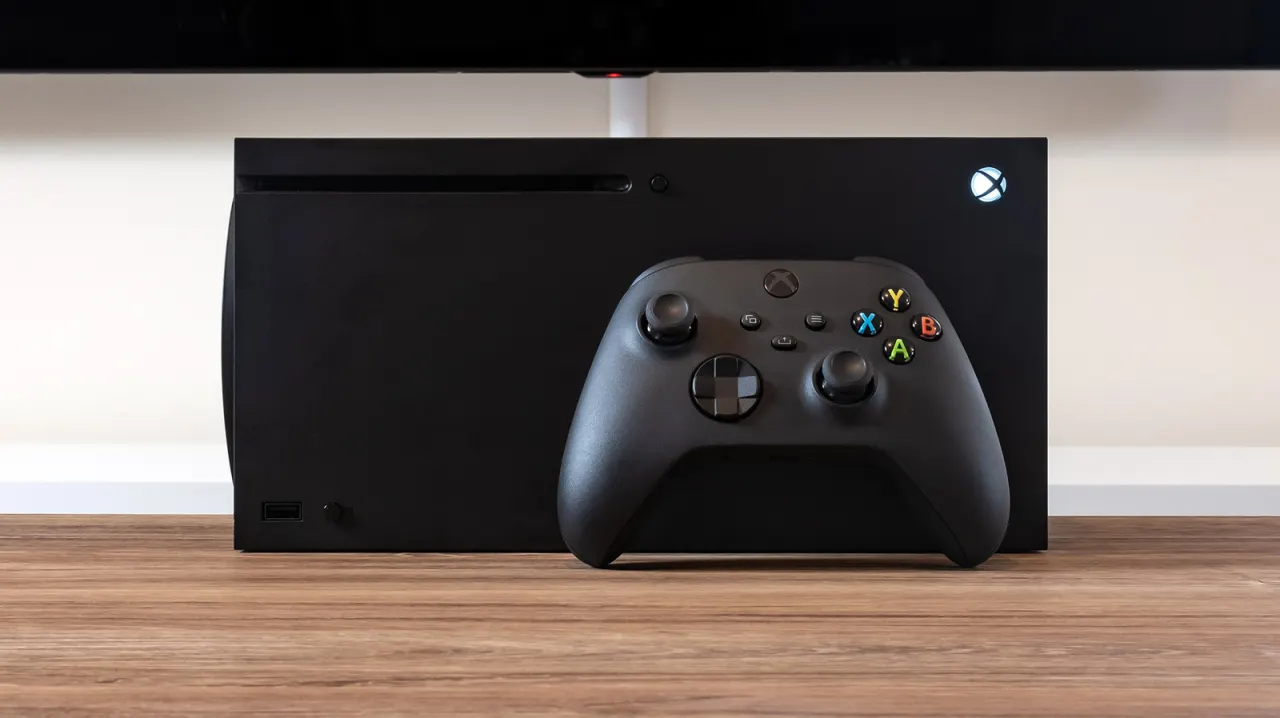
Microsoft's Xbox division endured a brutal July 2026, marked by mass layoffs, studio closures and grim financial results that industry observers say had been building for years. On 6 July, Microsoft cut 3,200 jobs within Xbox and another 3,200 across other departments, while also attempting to shut down five development studios; four were ultimately sold off, with the fate of Arkane Studios still unclear. Xbox leadership had signalled the coming pain in a June memo warning of a "reset" after years of heavy spending failed to halt declining revenue, and the cuts followed swiftly once the new fiscal year began.
The layoffs hit studios across the board, including Doom developer id Software, which reportedly lost half its staff, and Double Fine, which shed a third of its workforce while buying itself back from Microsoft. Xbox executives admitted to a roughly 3% profit margin, down year-on-year, and said over $20 billion invested in content, platforms and hardware over five years had coincided with falling revenue; including the $69 billion Activision Blizzard King acquisition, spending is far higher still. The month also saw unions file unfair labour practice lawsuits and stage protests, a near day-long network outage, a disc-related DRM bug, and quarterly results showing Xbox revenue down 10% year-on-year, falling billions behind rival PlayStation.
In short
- Microsoft cut 6,400 jobs, including 3,200 within Xbox, on 6 July 2026.
- Five Xbox studios faced closure; four were sold, Arkane's fate unclear.
- Xbox revenue fell 10% year-on-year amid outages, lawsuits and protests.
Steelman: both sides, in good faith
The strongest fair case each way — we don't pick a winner.
The case for
The layoffs represent necessary business correction after years of substantial investment failed to halt declining revenue and profitability. Despite $20 billion spent on content, platforms and hardware across five years—plus the $69 billion Activision Blizzard King acquisition—Xbox's revenue declined and profit margins fell to 3%. In competitive markets, companies must sometimes make difficult decisions to align spending with market reality, and management bore responsibility to shareholders and remaining employees to acknowledge this failure and adjust course, even when the human cost was significant.
The case against
These layoffs reveal strategic failure and mismanagement rather than inevitable market forces. Microsoft made poor acquisition decisions—particularly the questionable Activision Blizzard King deal—and failed to execute a coherent strategy despite having years to adjust course, allowing heavy spending to continue before suddenly devastating workers and studios with severe cuts. Better strategic planning could have prevented such harsh consequences, as the company prioritised cost-cutting over its responsibility to employees.
Explained simply
Xbox is Microsoft’s gaming business, which includes its consoles, the Game Pass subscription and studios that make games such as Doom. Microsoft has spent heavily to expand it, including buying game maker Activision Blizzard in a deal worth $69 billion. The division competes with PlayStation, made by Sony, for players and sales.
Making and selling games involves large costs, and buying studios does not guarantee that their games will bring in enough money. Xbox’s recent spending has coincided with falling revenue and a slim profit margin, while workers and unions have raised concerns about job security and studio closures. These pressures help explain why the business has faced calls to change how it operates.