Culture news and discussion on TalkFuse.
Republican Senator John Kennedy Warns FCC Official Of Agency’s Scrutiny Of Network Content: “You’re Getting Into The Foothills Of Violating The First Amendment”
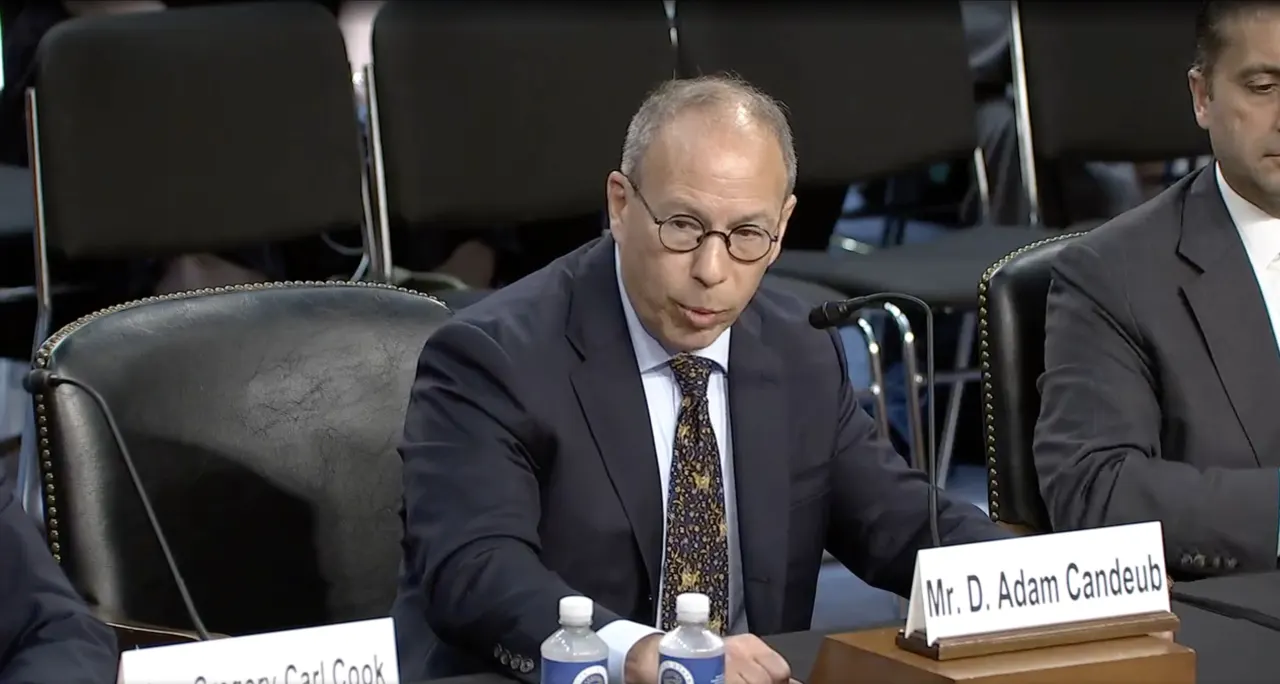
At a Senate Judiciary confirmation hearing on Wednesday, Republican Senator John Kennedy of Louisiana warned FCC general counsel Adam Candeub that the agency's growing scrutiny of broadcast network content risked breaching the First Amendment. The exchange highlighted mounting bipartisan unease over FCC Chairman Brendan Carr's series of investigations into networks, which critics, including ABC, say amount to regulatory retaliation for content unpopular with Donald Trump.
Candeub, whom Trump has nominated to lead the Justice Department's Antitrust Division, repeatedly declined to explain the legal basis for the FCC's actions, citing his role as counsel rather than policymaker. Kennedy pressed him on why the agency involves itself when a network criticises a politician, eventually telling him the FCC was "getting into the foothills of violating the First Amendment." Carr's FCC has probed matters including diversity practices, 60 Minutes' editing of a Kamala Harris interview, whether The View is bound by the Equal Time Rule, and ordered ABC to submit its eight broadcast licences for early renewal; Democratic commissioner Anna Gomez has accused Carr of using a vague "public interest" standard to punish disfavoured speech, while Democratic Senator Peter Welch also questioned Candeub over the 60 Minutes probe.
In short
- GOP senator warns FCC official over First Amendment concerns on content probes
- FCC has investigated 60 Minutes, The View and ABC licences
- ABC and Democrats call the scrutiny politically motivated retaliation
Steelman: both sides, in good faith
The strongest fair case each way — we don't pick a winner.
The case for
The FCC maintains statutory authority to oversee broadcast networks operating on public airwaves, including investigations into compliance with regulations on equal time, diversity, and editorial practices. Such regulatory oversight of publicly-licensed broadcasters does not inherently violate the First Amendment; this authority is well-established in law, and networks voluntarily accept licences with corresponding public-interest obligations.
The case against
The FCC's investigations appear strategically targeted at networks for editorial coverage unpopular with the current administration, using vague regulatory standards to scrutinise editorial decisions and punish disfavoured speech. Selective, politically-motivated deployment of regulatory power—even if within the agency's technical authority—chills journalism and threatens the First Amendment's core protection for press independence and critical coverage of politicians.
Explained simply
The First Amendment to the US Constitution protects freedom of speech and the press, limiting the government’s ability to punish broadcasters for what they say. The Federal Communications Commission (FCC) regulates radio and television broadcasters, including by granting licences to use the public airwaves.
FCC chairman Brendan Carr has overseen investigations into several broadcasters and their programming, including a CBS programme’s editing of an interview and ABC’s daytime show The View. The FCC has also raised questions about broadcasters’ diversity practices and ABC’s licences; critics say these actions could pressure networks over their coverage of politicians.
Adam Candeub is the FCC’s general counsel, a legal adviser, and Donald Trump’s nominee to lead the Justice Department’s antitrust division. Senators John Kennedy, a Republican, and Peter Welch, a Democrat, questioned him at a confirmation hearing, reflecting concerns from both parties about the agency’s role and the boundary between broadcast regulation and protected speech.
Art Culture Geopolitics Politics