World news and discussion on TalkFuse.
DHS Is Hiring Bounty Hunters to Find and Photograph Deported People’s Homes Abroad
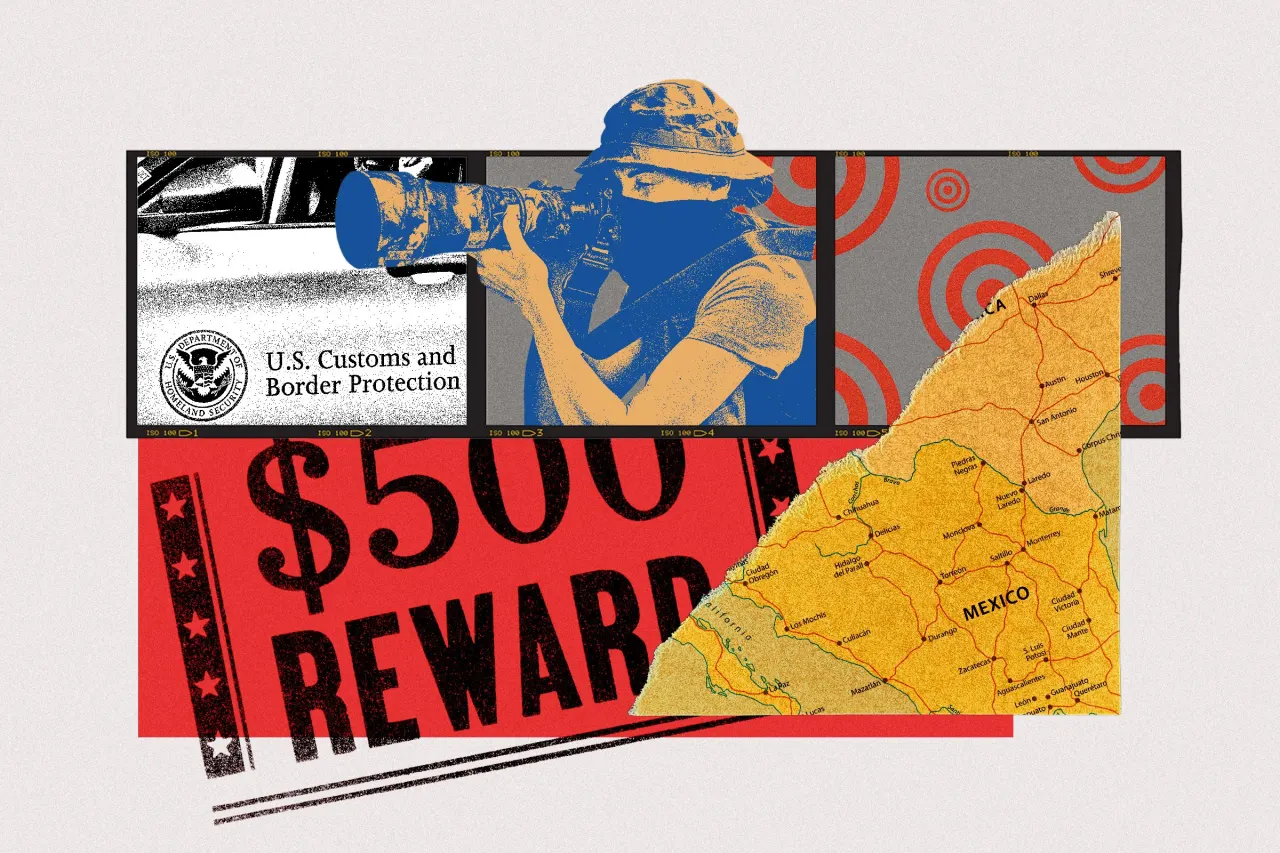
US Customs and Border Protection is seeking to hire private investigators to trace deported immigrants and other people who have left the United States, in order to pursue them for unpaid government fines. The contracts, covering Mexico, Honduras and Guatemala with scope to expand elsewhere, would have contractors physically locate homes, take photographs and deliver bilingual flyers listing the debts owed. Legal experts say the move marks a significant escalation in the Trump administration's immigration enforcement tactics, extending punitive fines beyond US borders and potentially deterring migration in the countries targeted.
The programme, capped at $9 million over two years, seeks "commercial data verification and physical observation services," accepting photographs, utility bills, employment or court records, or death certificates as proof of residence. DHS says it has issued over $84 billion in fines under a previously dormant 1996 law, charging $998 a day for up to five years, with some penalties reaching $1.8 million; third-party collectors have reportedly tacked on additional fees of up to $500,000. While DHS offers to waive these fines for those who self-deport via its CBP Home app, a separate $5,130 congressional fee cannot legally be waived. Existing debt collectors have so far failed to locate a single person abroad, despite an estimated 66,387 deportees carrying unpaid fines as of July.
In short
- CBP is hiring investigators to track deportees abroad over unpaid fines.
- Fines can reach $1.8 million; DHS has issued over $84 billion total.
- Critics call it an escalation meant to intimidate and deter migration.
Steelman: both sides, in good faith
The strongest fair case each way — we don't pick a winner.
The case for
Proponents argue that deported individuals have incurred legal financial obligations through immigration violations, and the government must enforce these debts just as it would for any citizen or resident. Allowing people to escape consequences simply by leaving would undermine the rule of law and place unfair burdens on taxpayers. The collection effort represents legitimate cost recovery for violations that courts have already assessed and adjudicated.
The case against
Opponents contend that fines reaching $1.8 million are severely disproportionate when imposed on economically vulnerable people in developing countries, and that conducting surveillance operations in foreign sovereign territories raises serious questions about jurisdiction and international respect. The programme involves profit-motivated private contractors and inflated fees, suggesting extraction rather than genuine deterrence, whilst existing collectors have failed to locate anyone abroad, indicating it will prove invasive, ineffective and damaging to regional relations.
Explained simply
US immigration enforcement is handled by the Department of Homeland Security, including Customs and Border Protection. A 1996 law allows the government to fine some people who do not leave the country after being ordered to do so; the policy was largely unused for years before the Trump administration began issuing fines.
The fines can build up over time, and the government may seek to collect them after someone has left the US. The proposed work in Mexico, Honduras and Guatemala involves private investigators trying to confirm where people live, while debt collectors pursue payment.
The issue matters because it extends US immigration enforcement into other countries and could affect people who have already been deported or left the US. It also raises questions about how the government can pursue debts abroad and what effects collection efforts may have on families and communities there.