Technology news and discussion on TalkFuse.
Why Higgsfield Inked Deals for AI Avatars of Streamer N3on, UFC’s Israel Adesanya and Quinton ‘Rampage’ Jackson, and More for New Film (EXCLUSIVE)
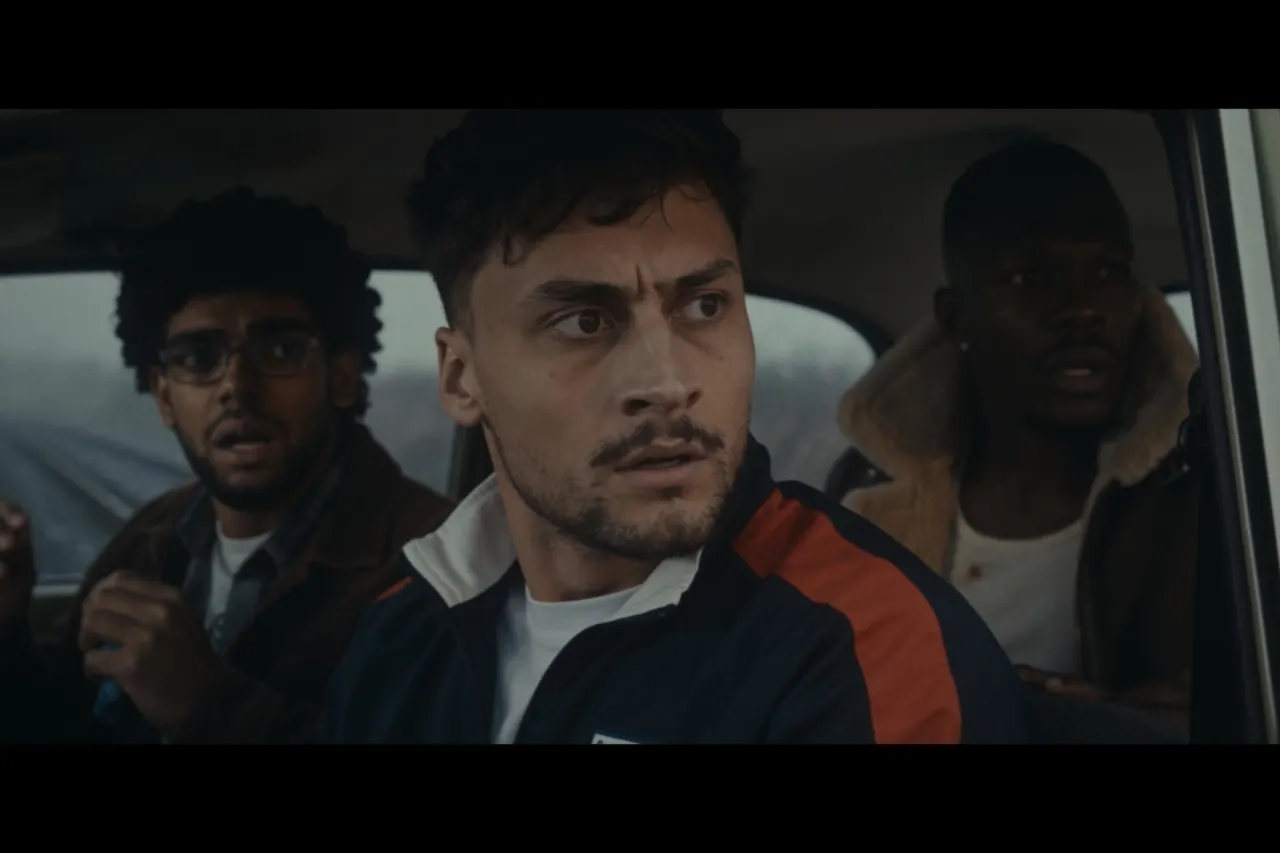
AI startup Higgsfield has struck licensing deals for AI-generated avatars of streamer N3on, UFC fighters Israel Adesanya and Quinton "Rampage" Jackson, and basketball influencer Matt Kiatipis for a new 110-minute film called "Cully Hill Boys". The project, directed by Aitore Zholdaskali and written by Tim Planagan, is billed as the first AI-generated production to use legally licensed celebrity likenesses, marking an attempt to show public figures can be fairly compensated as generative AI is used to adapt scripts and likenesses.
Rather than being intended for public release, the film is designed to showcase Higgsfield's Cinema Studio platform to Hollywood studios exploring AI production tools, following criticism the company faced in spring over its fully AI-generated film "Hell Grind". Planagan's script, purchased via the Black List submission service, is set in East London and follows a group of mobsters; he had previously turned down other production offers that wanted to alter the story's setting and intent, despite being offered Writers Guild of America rates. He said Higgsfield approached him roughly two months ago and impressed him with its respect for the original screenplay.
In short
- Higgsfield licenses celebrity likenesses for AI film "Cully Hill Boys"
- Film features N3on, Adesanya, "Rampage" Jackson and Kiatipis as avatars
- Project aims to showcase AI tools to Hollywood, not for public release
Steelman: both sides, in good faith
The strongest fair case each way — we don't pick a winner.
The case for
Proponents argue this represents responsible innovation in generative AI, with legally negotiated licensing agreements ensuring public figures directly benefit from the use of their likenesses. By obtaining explicit consent and fair compensation from celebrities, the project models an ethical alternative to unauthorised deepfakes or image scraping, whilst respecting both the personalities' agency and the screenwriter's original creative vision. This approach demonstrates that AI tools can coexist with established rights frameworks without requiring actors to be entirely displaced.
The case against
Critics contend that even consensual licensing of AI avatars raises fundamental questions about the scope of what celebrities can legitimately authorise regarding their digital likenesses, and whether one-off licensing adequately protects them from downstream exploitation. More broadly, normalising AI-generated performances—regardless of compensation arrangements—threatens to devalue human performers' labour and opportunities in film and entertainment, potentially establishing precedent for wider replacement of actors with cheaper algorithmic alternatives. The company's previous reputational challenges also suggest caution about whether such arrangements will consistently respect ethical boundaries.
Explained simply
AI video tools can generate performances and likenesses from written instructions, but using a recognisable person’s face or persona raises questions about permission and payment. Licensing deals give a company agreed rights to use someone’s likeness for a particular project.
Higgsfield is a start-up developing AI tools for making films, while N3on, Israel Adesanya, Quinton “Rampage” Jackson and Matt Kiatipis are public figures whose avatars are licensed for this project. “Cully Hill Boys” is a crime story set in East London, written by Tim Planagan and directed by Aitore Zholdaskali.
The film is intended to demonstrate Higgsfield’s production software to studios considering AI filmmaking. It follows criticism of the company’s earlier fully AI-made film, and raises wider questions about how writers’ work and public figures’ likenesses can be used and paid for as AI tools develop.
AI Art Business Celebrity Companies Culture Entertainment Film Middle East Technology World