Politics news and discussion on TalkFuse.
The 1946 John Huston movie that was banned for 36 years: “It was quite a campaign”
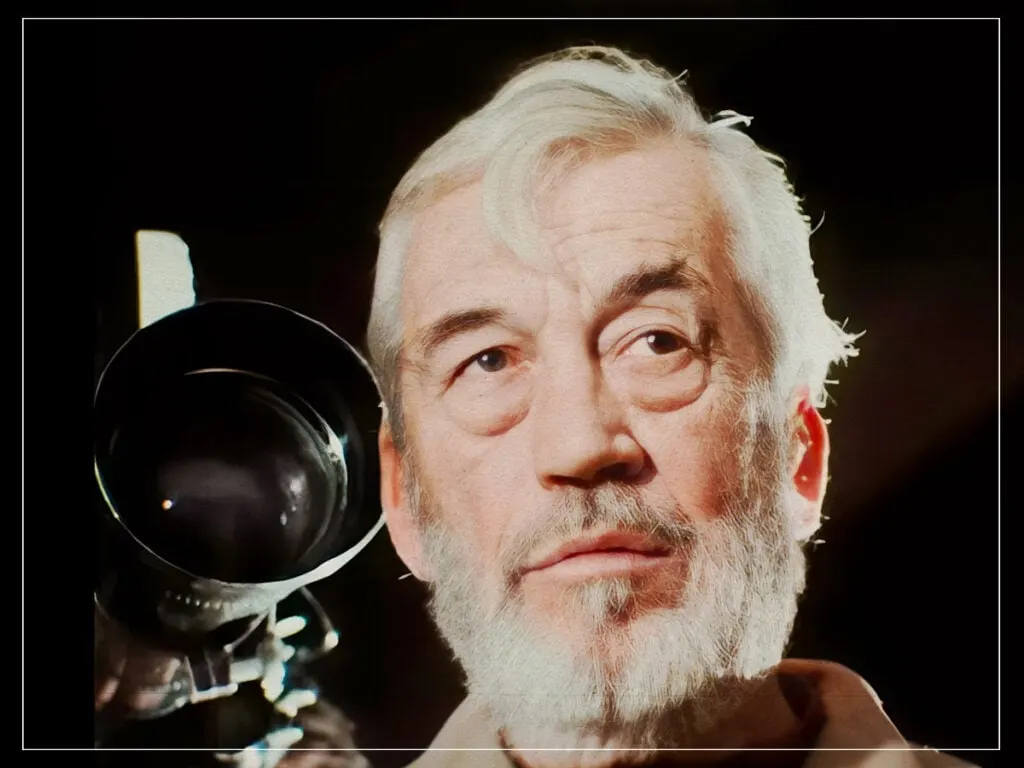
Filmmaker John Huston produced a documentary following World War Two veterans as they underwent psychiatric treatment and rehabilitation following combat-related injuries and psychological damage. The War Department blocked its release in 1946, officially citing privacy violations, though Huston suspected the military wanted to protect a narrative of unbroken soldiers rather than acknowledge the psychological toll of warfare.
After decades of suppression, the film found champions including Vice President Walter Mondale, who worked alongside figures such as Jack Valenti and Ray Stark to secure its release in 1981. Huston's documentary finally reached audiences after remaining hidden for over three decades, demonstrating the extensive effort required to overcome institutional censorship of inconvenient wartime realities.
In short
- John Huston's 1946 documentary on WWII soldiers recovering from combat trauma through psychiatric treatment was suppressed by the War Department for 36 years
- The film was finally released in 1981 after advocacy from Vice President Walter Mondale and other industry figures
Steelman: both sides, in good faith
The strongest fair case each way — we don't pick a winner.
The case for
The War Department raised legitimate concerns about privacy and consent for psychiatric patients filmed without modern ethical safeguards. In 1946, revealing vulnerable veterans undergoing mental health treatment risked genuine stigmatisation that could harm their reintegration into civilian life. The immediate post-war period demanded social stability and public confidence; officials weighed competing interests including protecting these soldiers' dignity and the nation's recovery. The military's responsibility to shield its personnel from potentially damaging exposure reflected institutional duty rather than mere propaganda control.
The case against
The 36-year ban suggests officials used privacy as a convenient rationale to suppress inconvenient truths about warfare's psychological toll. Huston's suspicions that authorities wanted to protect a narrative of unbroken soldiers gained credibility when the film's eventual release caused no catastrophe and revealed genuinely important history. Withholding documentary evidence of combat's psychological impact for decades prevented public and policy debate about veteran support. The extended suppression represented state control over inconvenient historical knowledge, prioritising institutional narrative over public understanding.
Explained simply
After the Second World War, many returning servicemen needed psychiatric care and rehabilitation for the lasting effects of combat. In 1946, filmmaker John Huston made a documentary following some veterans through their treatment.
The US War Department stopped the film being released, officially citing concerns about the men’s privacy. Huston believed officials also feared it would challenge the image of soldiers as unbroken by war. Vice President Walter Mondale and others later helped secure its release in 1981, after it had remained unseen for decades.
Elections Entertainment Film Politics