World news and discussion on TalkFuse.
‘Doctor Who’s Most Divisive Showrunner Sheds Light on the Show’s Cancellation
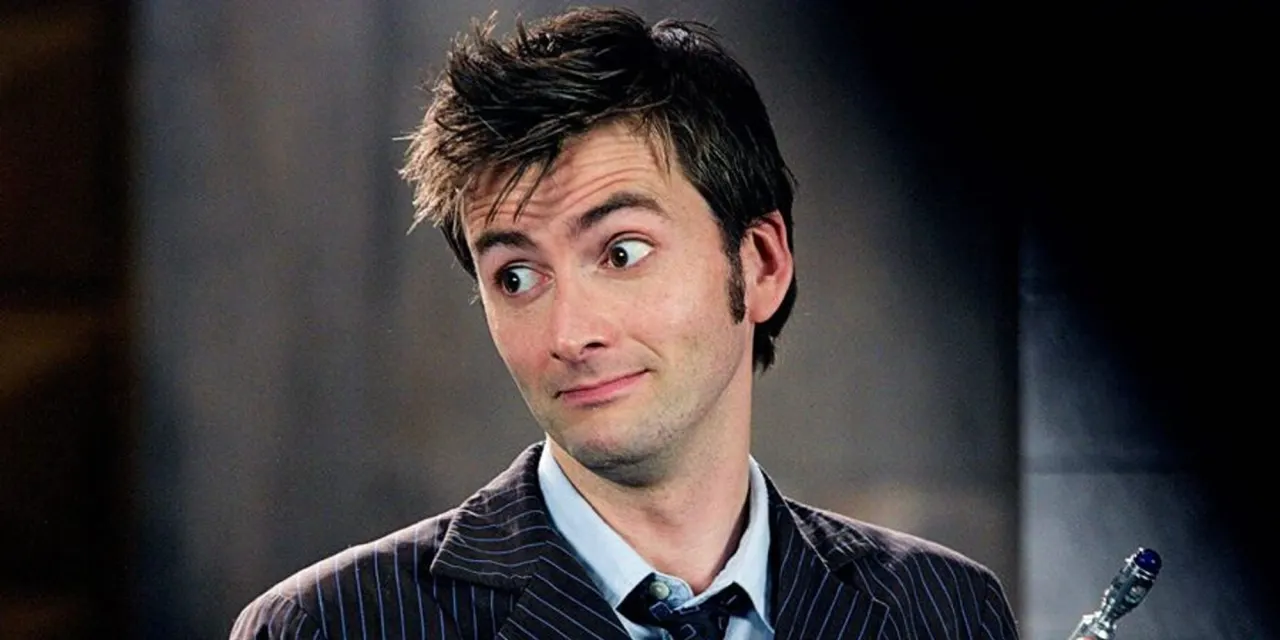
Former Doctor Who showrunner Chris Chibnall has said the BBC's decision to put the long-running sci-fi series out to competitive tender, effectively pausing production, comes down primarily to money rather than declining creative quality. Speaking on the WHO Corner to Corner podcast, Chibnall pushed back on fan discourse blaming the show's recent struggles, arguing the real story is a BBC that can no longer afford to fully fund its dramas, including a flagship title it clearly still wants to make.
Chibnall pointed to roughly 15 years of eroding funding agreements and the growing dominance of major Hollywood studios and streaming conglomerates as having squeezed the BBC's budgets. This follows Russell T Davies' troubled second stint as showrunner, which leaned heavily on nostalgia but failed to halt falling ratings, and the abrupt, rushed departure of Ncuti Gatwa as the Doctor. It recently emerged that a promised 2026 Christmas special and search for a new lead actor were not, in fact, going ahead, prompting dismay from fans and former cast members alike.
In short
- Chris Chibnall says Doctor Who's tender-out is mainly about BBC funding, not quality
- BBC drama budgets squeezed by ~15 years of funding cuts and streaming competition
- Comes after Davies' rocky return and Gatwa's rushed, early exit as the Doctor
Steelman: both sides, in good faith
The strongest fair case each way — we don't pick a winner.
The case for
The BBC's decision reflects systemic funding constraints across public broadcasting rather than failings specific to Doctor Who. After 15 years of eroding budgets and facing competition from vastly wealthier streaming services and Hollywood studios, the BBC has been forced to put even flagship dramas out to tender to secure external funding. Since the BBC itself still clearly wishes to make the show, the primary driver is financial necessity affecting all its productions, not dissatisfaction with creative quality.
The case against
Doctor Who's recent struggles—including falling ratings under Russell T Davies and the rushed departure of Ncuti Gatwa—represent genuine creative difficulties that justify seeking fresh direction. These concrete audience and critical problems provide legitimate grounds for putting the show out to tender, independent of broader funding questions. The decision reflects appropriate creative reassessment rather than purely financial desperation, as the BBC would likely maintain current arrangements if the show were performing well creatively and with audiences.
Explained simply
Doctor Who is a BBC science-fiction drama that began in 1963. Its central character, the Doctor, is an alien traveller who can change appearance, allowing different actors to take the lead over time.
The BBC makes the programme with outside production partners and must decide how to fund it alongside its other dramas. Chris Chibnall, who led the series from 2018 to 2022, says long-term pressure on BBC funding is a key part of the story; Russell T Davies has also served as showrunner, the person responsible for guiding the series’ production and creative direction.
The programme is a prominent part of British television, with a large international audience and a long history. Its future matters to the BBC, its production teams and viewers, while changes in funding and competition from global studios shape what the broadcaster can afford to make.