World news and discussion on TalkFuse.
The 1954 song Eric Clapton considered too precious to cover: “The crown jewel”
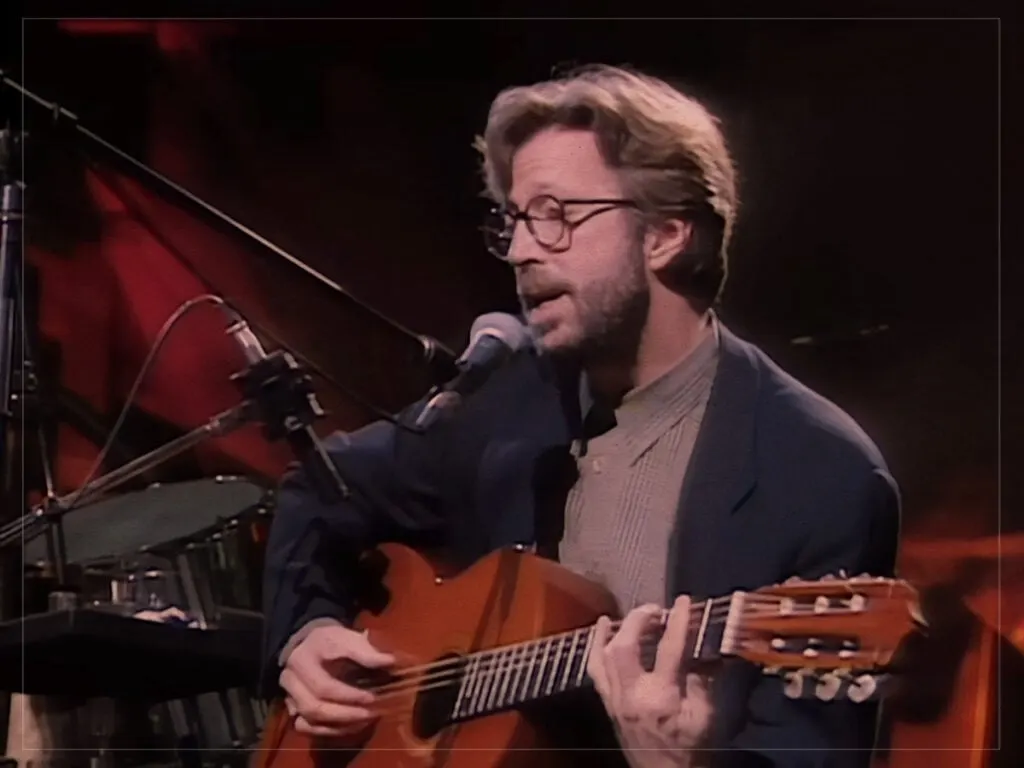
Eric Clapton has revealed that he deliberately withheld his own recording of the blues standard "Hoochie Coochie Man" because he felt unable to do justice to the 1954 original by his hero Muddy Waters. Written by Willie Dixon and first recorded by Waters, the song became a foundational text of blues rock and profoundly shaped the sound of guitarists including Clapton, Keith Richards and Jimmy Page. Clapton's decision underlines the reverence in which Waters is held by the generation of British musicians who built their careers on his influence.
Clapton has described attempting the song "dozens of times" without ever feeling satisfied, calling it "the crown jewel" and admitting to a perfectionist streak driven by his admiration for Waters. He acknowledged that most listeners would probably find his version perfectly acceptable, but said it fell short of the standard he set himself, and so he chose not to release it. Muddy Waters' influence extended well beyond Clapton, with figures such as Jimi Hendrix also citing his recordings as a formative and even unsettling early musical experience.
In short
- Clapton never released his own take on "Hoochie Coochie Man"
- He felt it couldn't match Muddy Waters' 1954 original
- Waters shaped Clapton, Richards, Page and Hendrix alike
Explained simply
“Hoochie Coochie Man” is a blues song written by Willie Dixon and first recorded by American musician Muddy Waters in 1954. It became a lasting influence on blues and rock musicians, including Eric Clapton, Keith Richards and Jimmy Page.
Waters helped shape the sound of modern blues, and his recordings influenced a generation of British musicians who later brought blues into rock. Knowing that history helps explain why some musicians regard his version as a benchmark, rather than simply one recording among many.
Americas Entertainment Music World