World news and discussion on TalkFuse.
The 2016 Paul Verhoeven movie Hollywood wanted nothing to do with: “Why bother, you know?”
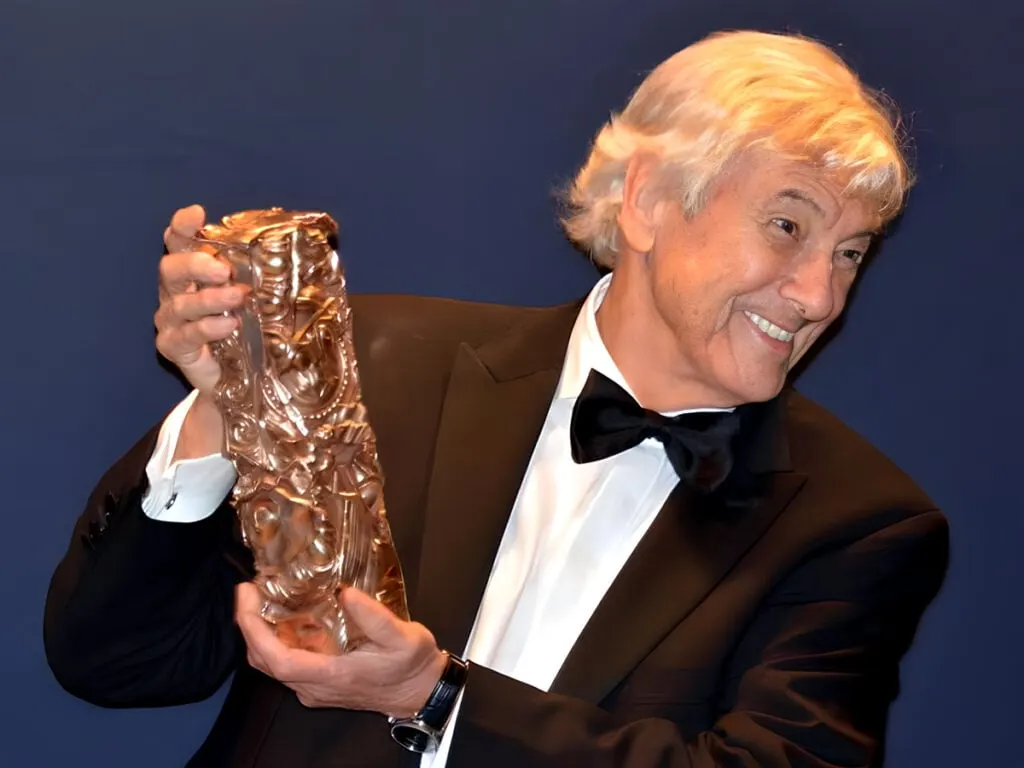
This piece traces Paul Verhoeven's career-long willingness to court controversy, culminating in the difficulty he faced getting his 2016 thriller Elle made in Hollywood. American actors reportedly turned down the lead role because of a central rape scene, forcing the Dutch director to relocate the production to France, where he cast Isabelle Huppert instead. Verhoeven has framed the move as reflecting a broader creative freedom he found in France that Hollywood no longer offered him.
The article charts Verhoeven's provocative filmography from 1973's Turkish Delight through Hollywood hits Robocop, Total Recall and Basic Instinct, to the panned but cult Showgirls, before he left Hollywood around 2000. Relocating to France paid off for Elle, which the country selected as its Oscar submission, earning Huppert an Academy Award nomination and a Golden Globe win.
In short
- US actors declined Elle's lead role over its rape scene.
- Verhoeven moved production to France to get it made.
- Isabelle Huppert earned an Oscar nod and Golden Globe for it.
Steelman: both sides, in good faith
The strongest fair case each way — we don't pick a winner.
The case for
Cinema must courageously explore difficult human experiences, including sexual violence, to create meaningful art that reflects reality and generates important cultural conversations. Verhoeven's career demonstrates that provocative content, when handled with artistic integrity, can achieve critical recognition—Elle's Oscar nomination and Huppert's Golden Globe win confirm this. When artists avoid certain subjects simply because they are sensitive, they practise self-censorship that constrains cinema and discourages engagement with difficult truths.
The case against
Casting and financing decisions involve legitimate ethical judgments about whether one wishes to participate in particular portrayals of sensitive material. Actors and producers reasonably consider whether depicting sexual violence serves the narrative responsibly or risks trivialising trauma for dramatic effect. Hesitation to proceed reflects not artistic timidity but professional responsibility and concern about audience impact—choosing to support projects one genuinely believes in is a reasonable creative and ethical position.
Explained simply
Paul Verhoeven is a Dutch film director known for provocative films that mix violence, sex and satire. After making films in the Netherlands, he became a Hollywood director with hits including RoboCop, Total Recall and Basic Instinct, though Showgirls was poorly received at the time and later gained a cult following.
Elle is a French thriller about a woman played by Isabelle Huppert, whose response to sexual violence drives the story. The subject made the lead role difficult to cast in the United States, so Verhoeven made the film in France, where he found greater creative freedom. Its success brought Huppert major awards recognition, including an Oscar nomination.
Americas Entertainment Film World