Politics news and discussion on TalkFuse.
STEVE MOORE: The IRS became judge, jury and executioner in a tax-code witch hunt against Americans
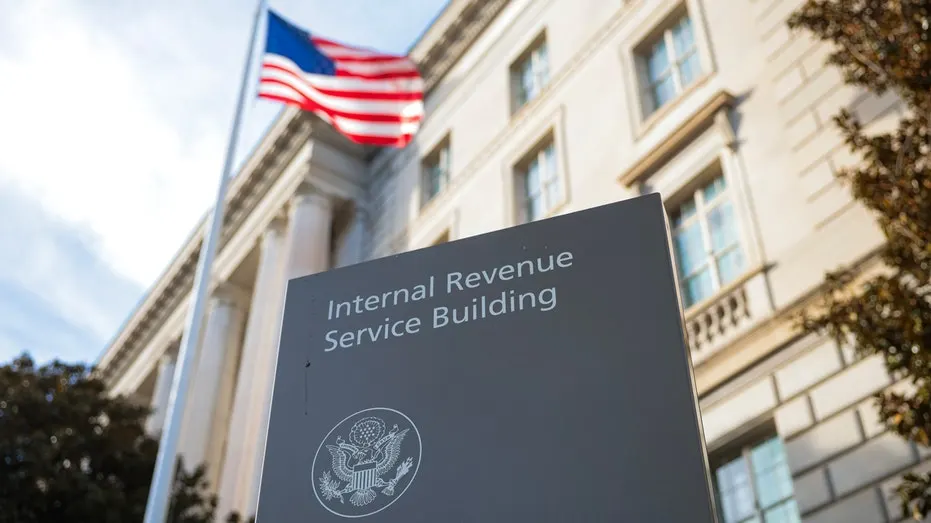
In an opinion column for Fox News, economist Steve Moore argues that the Internal Revenue Service has overstepped its role by acting as "judge, jury and executioner" in going after Americans who used a legal tax break, rather than leaving such decisions to Congress. He frames this as part of a broader complaint about the complexity of the US tax code, arguing that once lawmakers create incentives to steer taxpayer and business behaviour, the IRS should not be able to retroactively punish people for legitimately using them.
Moore, a self-described flat-tax advocate in the mould of Steve Forbes, says his ideal system would scrap special exemptions altogether in favour of a single low flat rate, which he suggests as 18%, for everyone. Short of that, he contends Congress must formally close any loophole it disapproves of rather than allow the IRS to unilaterally reinterpret and enforce the rules against citizens who followed the law as written, calling on lawmakers to act rather than leaving enforcement to the tax agency.
In short
- Columnist accuses IRS of unfairly targeting a legal tax break
- Author, a flat-tax advocate, backs a single low tax rate
- Argues Congress, not the IRS, should decide on closing loopholes
Steelman: both sides, in good faith
The strongest fair case each way — we don't pick a winner.
The case for
Moore argues that the IRS has overstepped by retroactively penalising taxpayers who used provisions Congress itself had written into law. If Congress disapproves of a tax incentive, Congress must formally repeal it rather than allowing the IRS to unilaterally reinterpret rules and punish those who relied on the statute as written. This protects taxpayers' reasonable reliance on the law and preserves proper constitutional separation of powers between legislative and executive branches.
The case against
The IRS's statutory role includes interpreting tax provisions and preventing their abuse—a necessary function given that tax law inevitably contains ambiguities and unintended consequences. Allowing taxpayers to avoid enforcement simply by claiming they exploited language Congress may not have fully anticipated would paralyse tax administration and enable sophisticated avoidance schemes. Regulatory enforcement against aggressive tax avoidance is within the IRS's proper mandate and essential for ensuring the system functions fairly and generates needed revenue.
Explained simply
The Internal Revenue Service (IRS) is the US agency that collects federal taxes and enforces tax laws. Those laws are set by Congress and include tax breaks intended to encourage particular choices by people and businesses.
Debates about tax breaks often focus on whether taxpayers have followed the rules and how those rules should be interpreted. The US tax code is extensive, and disputes can arise over what its provisions allow.
Steve Moore is an economist and a supporter of replacing the current system with a low, single-rate tax. His argument reflects a wider question about who should change or clarify tax rules: Congress, which writes them, or the IRS, which administers them.
Elections Environment Politics Science World