New releases, music videos and album news — indie, rap, rock and pop. Always covering Ren, Chris Webby, Sam Tompkins, bbno$, CHINCHILLA, Muse, Yungblud and more.
“Subliminal mind-fuck America”: Does ‘American Idiot’ resonate better in 2026?
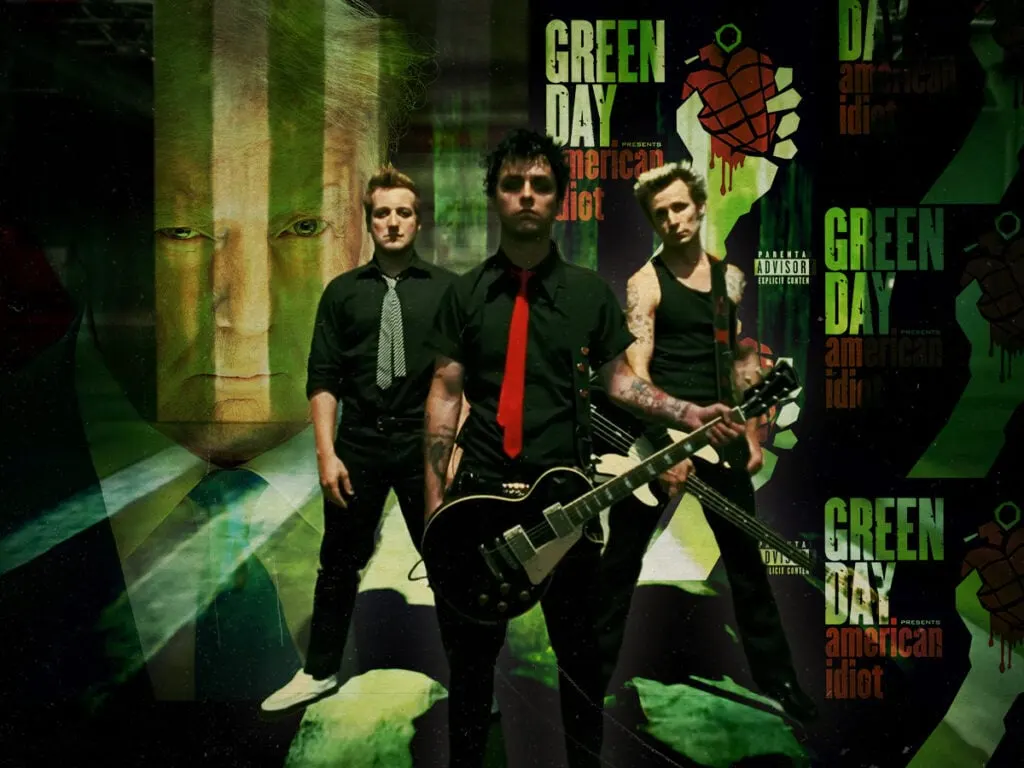
Green Day's 2004 rock opera 'American Idiot' emerged during the post-9/11 and Iraq War era as a critique of political apathy and youth disconnection from power structures. A music journalist argues that the album's core meditation on cultural manipulation and democratic disengagement—specifically the lyric about subliminal psychological subjugation—now feels strikingly relevant in 2026, as contemporary anxieties about governmental legitimacy and societal direction have intensified rather than improved.
Rather than demanding Green Day simply replay their acclaimed work, the critic contends that high-profile modern artists should create ambitious new pieces addressing present-day grievances with comparable artistic urgency and intellectual weight. Though the original album remains accessible and continues finding audiences, its cultural impact eventually dissipated over two decades; the author suggests that what contemporary society requires is fresh, high-visibility artistic expression capable of breaking through public numbness and reigniting serious engagement with the actual state of the nation.
In short
- Green Day's 2004 'American Idiot' addresses political disillusionment and youth disconnection that resonate powerfully in 2026's cultural climate
- A music critic calls for established contemporary artists to create urgent new socially conscious work rather than revisiting past classics
- Fresh artistic expression from mainstream figures is needed to mobilize public engagement with current crises and democratic concerns
Steelman: both sides, in good faith
The strongest fair case each way — we don't pick a winner.
The case for
Contemporary artists should create ambitious new work addressing today's grievances with comparable artistic urgency to what Green Day achieved in 2004, because society needs fresh, timely expression capable of breaking through modern fragmentation and numbness. While 'American Idiot' remains accessible, its cultural impact has necessarily diminished over two decades. Reigniting serious engagement with pressing contemporary anxieties requires new high-visibility voices willing to take on the same ambitious artistic challenges.
The case against
The fact that 'American Idiot' continues resonating with audiences in 2026 demonstrates that powerful art doesn't lose significance over time and shouldn't be dismissed in favour of demands for new work. Artists create according to genuine artistic vision rather than prescribed social need, and expecting contemporary musicians to match the ambitious scope of a rock opera crafted during a specific historical moment is unrealistic. Moreover, structural changes in media fragmentation mean no single new work could achieve the unified cultural breakthrough the critique implies is necessary.
Explained simply
Green Day are an American rock band whose 2004 album American Idiot told a connected story through songs. It came out after the 11 September attacks and during the Iraq War, when the band’s lyrics questioned political disengagement and the influence of mass culture.
The album’s title character is a young person trying to make sense of life amid loud media and political messages. The discussion around the album’s relevance centres on whether its concerns about manipulation and public withdrawal from politics still speak to the United States today.
The critic also asks whether prominent musicians should make new work that addresses current concerns with similar ambition. That raises a broader question about how art can engage people with public life, even as older works continue to find listeners.