Science news and discussion on TalkFuse.
Legal warning after rise in seahorse disturbances
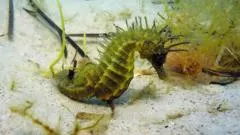
The Marine Management Organisation (MMO) has warned that a rise in warm weather this summer is leading to more disturbances of seahorses, which are legally protected in UK waters. Anyone intending to seek out, dive for, snorkel with or photograph the animals must hold a wildlife licence, and the MMO says it is stepping up efforts to publicise this after seeing an increase in both accidental and deliberate encounters. Doing so without a licence could constitute an offence and lead to enforcement action, a warning that applies to divers, snorkellers and TV and film production companies alike.
Educational campaigns are being focused on Poole Harbour and Studland Bay in Dorset and Torbay in Devon, where some of the most significant seahorse populations live. The Seahorse Trust's founder, Neil Garrick-Maidment, said a "brilliant summer" had brought more people into the water, and that publicity around Studland Bay's no-anchor zone and eco-moorings had also drawn attention to the area. He advised anyone who finds a seahorse in a crab net to return it to the water quickly, and urged the public to keep their distance and avoid flash photography if they encounter one while diving or snorkelling, while also reporting sightings to the National Seahorse Database.
In short
- Seahorses are legally protected; disturbing them needs a wildlife licence.
- MMO reports rise in accidental and deliberate disturbances this summer.
- Dorset and Devon hotspots targeted for public education campaigns.
Steelman: both sides, in good faith
The strongest fair case each way — we don't pick a winner.
The case for
Seahorses are legally protected because they remain genuinely vulnerable to human disturbance; summer tourism increases physical harm risks and disrupts breeding and feeding. Licensing ensures only trained individuals interact with them. Without strict enforcement backed by real consequences, legal protections become merely advisory. The MMO is correct to strengthen implementation through education and enforcement, as voluntary compliance cannot adequately protect these sensitive populations.
The case against
Whilst seahorse conservation matters, blanket licensing requirements impose unnecessary bureaucratic burdens on ordinary people, wildlife photographers and production companies who cause no harm through responsible observation. Most accidental encounters during diving or snorkelling cause no damage; simple guidance on keeping distance and avoiding flash photography suffices without government permission. Over-regulation alienates the public from nature and damages wildlife appreciation. Targeted education paired with voluntary best practices could effectively protect seahorses whilst preserving meaningful public engagement.
Explained simply
Seahorses are small marine fish found in UK coastal waters, including Poole Harbour and Studland Bay in Dorset and Torbay in Devon. These areas are important habitats for some of the country’s larger seahorse populations.
Seahorses are legally protected in UK waters, and rules restrict people from seeking them out or disturbing them without a wildlife licence. The Marine Management Organisation oversees these protections, while conservation groups such as the Seahorse Trust monitor populations and encourage people to report sightings.
Warm weather can bring more divers and snorkellers into the water, increasing the chances of encounters with seahorses. Keeping a respectful distance helps limit disturbance to the animals and their habitat.