Entertainment news and discussion on TalkFuse.
‘Throwing It All Away’: The 1986 Genesis song that proves Mike Rutherford’s importance
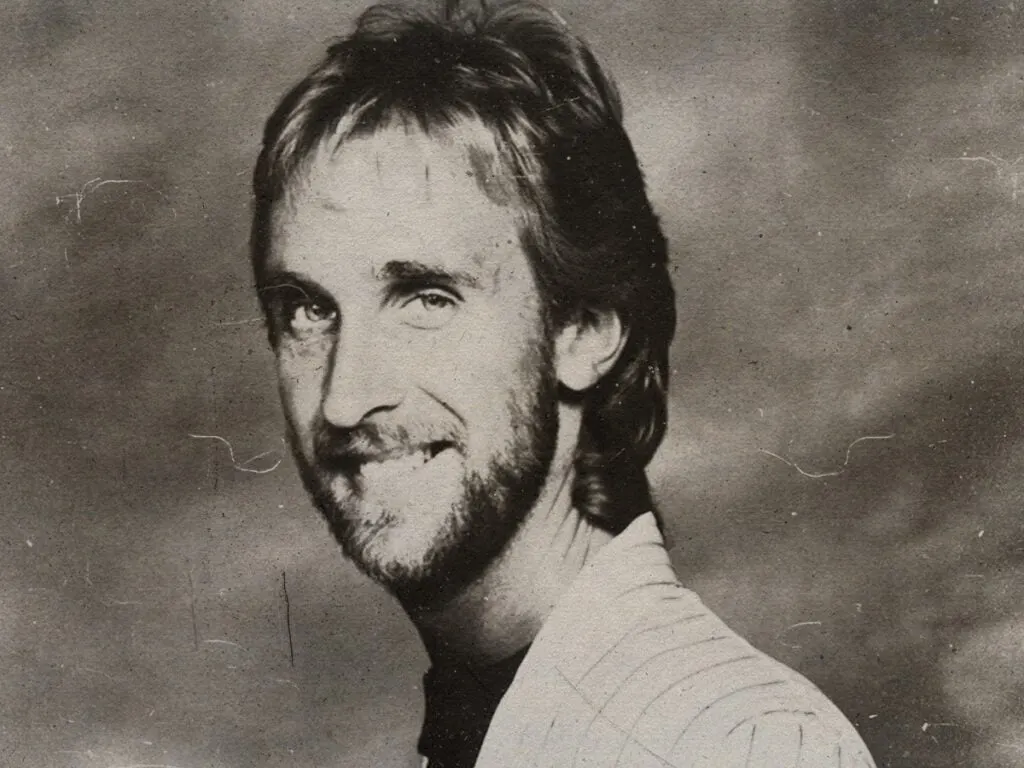
This piece from Far Out Magazine revisits Genesis's 1986 ballad "Throwing It All Away," arguing that the song stands as a rare showcase for guitarist and bassist Mike Rutherford at a time when drummer-turned-frontman Phil Collins dominated the band's sound and songwriting. It matters as a corrective to the narrative that Genesis's other members were merely support acts propping up Collins's stardom during the band's commercially successful, more polished 1980s era.
The article traces how, after Peter Gabriel's departure and Steve Hackett's exit in 1977, Genesis never replaced its lead guitarist, leaving Rutherford somewhat overlooked despite his integral role. Unlike a virtuoso player, Rutherford is presented as more of an arranger and songwriter, crafting the track's looping guitar riff, bassline and lyrics. The song appeared on the band's blockbuster album "Invisible Touch," which the author credits with helping secure its historic chart success and cementing Rutherford's importance to Genesis's collective sound.
In short
- Article credits Mike Rutherford as key architect of "Throwing It All Away" (1986).
- Song helped make Genesis's "Invisible Touch" album a major chart success.
- Piece argues Rutherford's songwriting was overshadowed by Phil Collins's stardom.
Steelman: both sides, in good faith
The strongest fair case each way — we don't pick a winner.
The case for
Mike Rutherford's role in Genesis has been genuinely underappreciated in favour of Phil Collins's dominance. 'Throwing It All Away' exemplifies Rutherford's accomplished songwriting and arrangement work—his looping guitar riff and bassline were central to the song's appeal and to the 'Invisible Touch' album's sound. Recognising his integral creative contributions corrects an imbalanced historical narrative that reduced him to a supporting player rather than acknowledging him as a genuine architect of the band's 1980s success.
The case against
While Rutherford clearly contributed as a songwriter, one song does not necessarily establish his centrality to Genesis's commercial and artistic direction. Phil Collins's voice, production choices, and artistic vision were the primary drivers of the band's 1980s dominance and distinctive sound. A single track's songwriting credits, however impressive, may not demonstrate the degree of overall importance the article attributes to Rutherford when Collins's work so thoroughly defined the era's Genesis sound and commercial appeal.
Explained simply
Genesis are an English rock band whose line-up changed substantially during the 1970s. After singer Peter Gabriel and guitarist Steve Hackett left, drummer Phil Collins became the lead singer, while Mike Rutherford remained on bass and guitar.
Rutherford’s role was not mainly that of a showy solo guitarist. He contributed to the band’s songwriting and arrangements, shaping its sound alongside Collins and keyboardist Tony Banks. “Throwing It All Away” appeared on 1986’s Invisible Touch, an album from Genesis’s commercially successful 1980s period.
The song is part of a wider discussion about how the band’s work was made and whose contributions are most visible. Understanding Rutherford’s songwriting and musical choices helps explain why Genesis’s sound cannot be attributed to Collins alone.