Trump allies push to arm president with new tariff weapon to punish countries ‘ripping off’ America
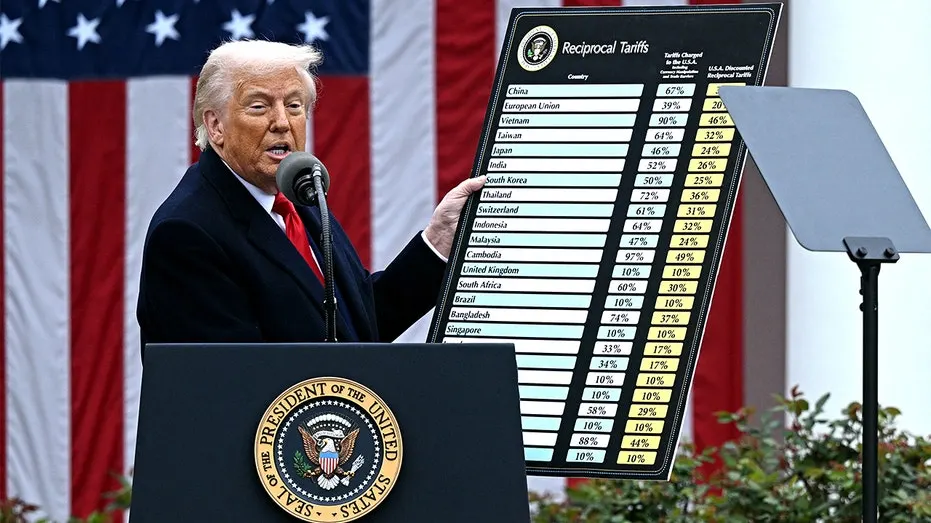
A group of Trump-aligned senators, led by Florida Republican Rick Scott, is pushing legislation to give President Trump explicit congressional authority to impose tariffs on countries with long-standing trade deficits with the United States. The move comes after the Supreme Court struck down Trump's broader, universal tariffs, prompting his administration to refund billions of dollars to affected American companies. Backers argue the bill would hand Trump a more targeted and legally durable tool to penalise nations they say have been "ripping off" America through unfair trade practices.
The push is framed as a direct response to the Supreme Court ruling, with supporters seeking to shore up the tariff power through statute rather than executive action alone, making it harder to challenge in court. The Trump administration has already been refunding tariff payments following the ruling, adding urgency to efforts to restore some form of tariff leverage. The bill is reportedly still being developed, with further details on its scope and mechanics yet to be fully outlined.
In short
- Rick Scott leads Senate push for new targeted tariff powers for Trump
- Move follows Supreme Court striking down Trump's universal tariffs
- Aim: legally durable tool to target countries with trade deficits
Steelman: both sides, in good faith
The strongest fair case each way — we don't pick a winner.
The case for
Supporters of tariff legislation argue that the United States faces chronic trade deficits and systematic unfair practices from trading partners through subsidies, barriers, and currency manipulation, whilst American markets remain relatively open. They contend that targeted tariffs are legitimate tools to incentivise reciprocal trade relationships and protect American workers in industries facing unequal competition. From this perspective, restoring executive tariff authority through statute is a reasonable response to the Supreme Court ruling and an appropriate use of congressional power to address structural economic imbalances.
The case against
Critics argue that tariffs typically raise prices for American consumers and harm domestic businesses reliant on imported materials and components, ultimately reducing economic efficiency rather than addressing underlying trade concerns. They contend that trade deficits reflect natural economic patterns rather than nations exploiting America, and that tariff escalation invites damaging retaliation against American exporters. The Supreme Court ruling reflected constitutional constraints on executive power, opponents suggest, and expanding such authority through legislation represents protectionist policy that distorts markets rather than solving genuine economic challenges through negotiation or structural reform.
Explained simply
Tariffs are taxes charged on imported goods, usually paid by the companies bringing them into a country. The US president can use some tariff powers under existing laws, but Congress also sets the rules for trade and can grant the president additional authority.
The proposal is being led by Florida Republican senator Rick Scott and backed by senators aligned with President Donald Trump. They want Congress to authorise tariffs on countries that have had long-running trade deficits with the US; a trade deficit means the US buys more from a country than it sells there.
The debate concerns how much power the president should have to set trade policy and how easily tariffs can be challenged in court. Tariffs can affect businesses that import or export goods, and may influence prices and trade between countries.